DR News
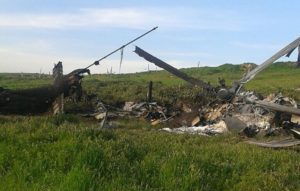
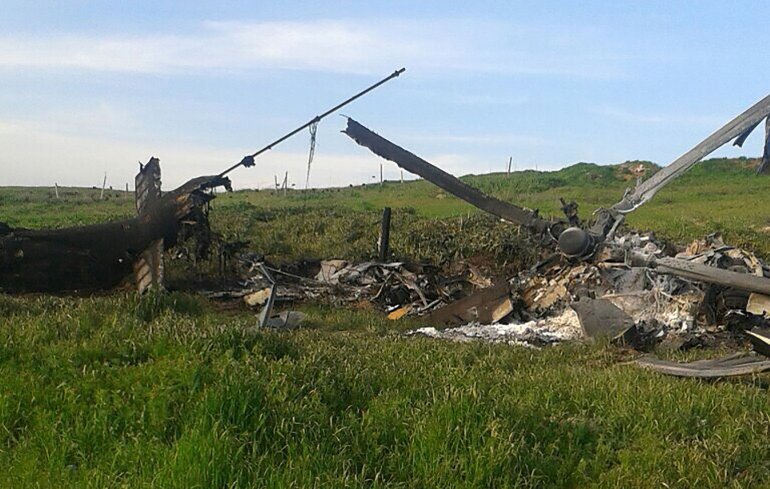
Authorities in the Dominican Republic say five people have died after a helicopter crashed near a popular tourist area.
The director of the Investigative Commission of Aviation Accidents says the EC20 helicopter disappeared late Thursday after the pilot picked up four people at a hotel in Rio San Juan on the country’s north coast.
Col. Emmanuel Souffront told The Associated Press on Friday that the group was headed to the southeast coastal city of La Romana.
The aircraft was flown by Dominican Air Force (FARD) Colonel Roberto Lanfranco Ureña, with five people on board, who had participated in a golf tournament on the North Coast.
Authorities said they lost contact with the helicopter some 24 miles (39 kilometers) northwest of their destination.
No further information was immediately available.
Source: ABCNews, Puerto Plata Digital
He was known as the head of the much-feared intelligence service of cruel Dictator Rafael Leonidas Trujillo. For years people have accepted the story that Abbes was ambushed and killed by the Ton Ton Macoutes in Port-au-Prince, Haiti in 1967, seven years after the Trujillo regime was toppled. However, the whereabouts of his remains have never been disclosed.
Fast forward to today: author Tony Raful is now claiming that Abbes is alive and residng in New York. Raful states that at the time the story was circulated that claimed Abbes was killed was a tale fabricated by the CIA of the United States as part of a protection deal after Abbes had become an informant. If true, Abbes would be 94 years old. Supposedly, Abbes lives a protected life in the United States, hiding as a Peruvian citizen.
Source: DR1, Listindiario
Nov 24, 2018

According to the NGO Dominican Center for Social Justice (DOCESJ-CENTER), the Dominican community in the United States has risen to 2,081,419 during 2017. Organization president, Dominican Frank Valenzuela, said that in 2016 the number was 1,914,120, which means that there has been an increase of 167,299 representing 8.7%.
According to Valenzuela, the Dominican population was concentrated in five states in 2017:
New York 42% (872,504), New Jersey 14.5% (301.655), Florida 12.4% (259,779), Massachusetts 8.2% (172,577) and Pennsylvania 6.1% (127,505).
He pointed out that in the last 10 years the Dominicans are moving more inland and that in 2007 52.2% lived in New York and now in 2017 that percentage had reduced to 42%.
He said that the reasons for this were the lower cost of living, lower taxes, more employment and better opportunities for home purchase.
Source: DR1, Almomento
Nov 24, 2018

President Danilo Medina has ordered the Ministry of Energy and Mines to arrange for the process of issuing permits for the export of amber and larimar in its natural or semi processed state. The order was made via Decree 431- 18 and according to the Association of Larimar Artisans in Barahona, is because the restriction of exporting the stones was limiting its commercialization and hence limiting the amount of money that could be made. Barahona has the only known deposits of larimar stone.
On the same day, President Danilo Medina also issued Decree 430-18 that authorized the exploitation, and assessment of “rare land” in zones of Pedernales. Likewise, the decree mentions Avila, Aguas Negras, Las Mercedes, Los Arroyos as land where there may be gold deposits that could be exploited.
Source: DR1, Eldia
Nov 24, 2018
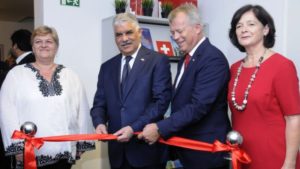
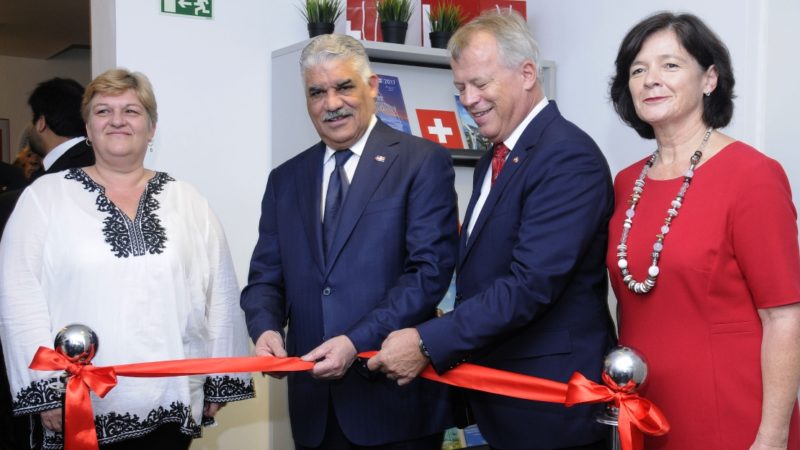
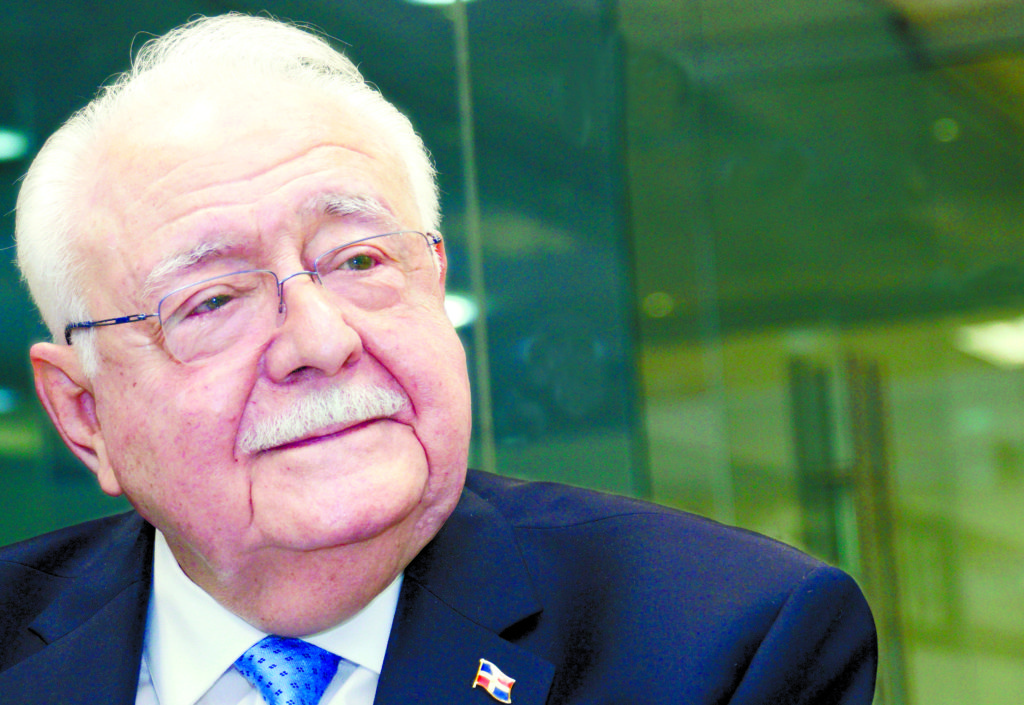
Foreign Minister Miguel Vargas Maldonado cut the symbolic ribbon for the opening of the new offices of the Swiss Embassy in the Dominican Republic on 20 November 2018 in Santo Domingo. The offices of Swiss Embassy and the Austrian Embassy in Havana will also be located at the same address. The new offices are located at the 10th floor of the Edificio Corporativo 2010 at Av. Gustavo Mejía Ricart 102 corner Av. Abraham Lincoln, in Piantini, Santo Domingo. The telephone number is +1 809 533-3781.
During the event, Vargas highlighted that an estimated 2,241 Swiss live in the country, making this the largest Swiss community in the Caribbean. Some 5,932 Dominicans live in Switzerland, including 4,000 that are dual Swiss and Dominican citizens.
During the event, Vargas highlighted that the Dominican Republic is Switzerland’s second most important trading partner in the Caribbean, with exports of US$244 million and imports of US$60 million.
Swiss Ambassador Urs Schnider said that Switzerland is ranked fifth among European nations trading with the Dominican Republic. The Dominican Republic exports its gold to be refined in Switzerland. Based in Santo Domingo, Schnider is also ambassador extraordinary and plenipotentiary to Antigua and Barbuda, the Commonwealth of Dominica, and St Kitts and Nevis.
Source: DR1, Hoy
Nov 24, 2018
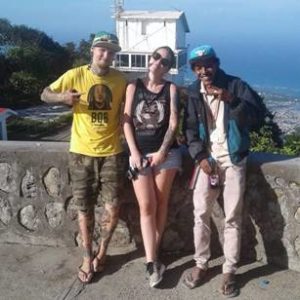
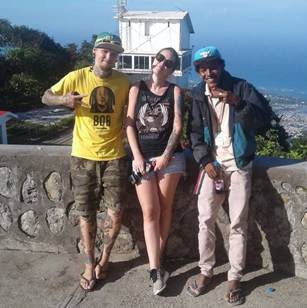
On Friday, 16 November, two Russians on honeymoon died following a motorcycle crash on the road from San Marcos Arriba to the Puerto Plata skylift. The victims are 28-year old Alexandra Sacha, and 32-year old Dimitry Onyshkevich who died when their motorcycle hit the protection barrier. Alexandra died instantly and Dimitry was taken to a hospital with serious injuries where he later passed away.
Source: DR1, barrigaverde.net
Nov 24, 2018
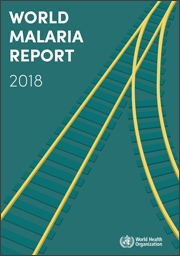
According to the annual malaria report from the World Health Organization (WHO), out of all of the regions in the world, the Americas is the one with the highest increase in deaths from malaria in 2017. Six regional countries, nevertheless, showed a decrease of over 20% from the previous year, including the Dominican Republic. Other regional countries posting declining malaria statistics were El Salvador, Guatemala, Honduras and Surinam.
It is estimated that there were 630 deaths from malaria in the Americas in 2017, which includes Lain America, the Caribbean, United States and Canada, compared to 460 in 2016 and 480 in 2010.
WHO stated that there were 773,500 cases in the area, which is a 14% increase over 2010 and 72% higher than 2015.
The majority of cases reported were in Venezuela with 53%, followed by Brazil (22 %), Colombia (8 %) and Peru (7 %). Belize, Brazil, Costa Rica, French Guyana, Nicaragua and Venezuela showed increases of over 20%.
In fact, Venezuela accounted for 84% of the increase in the region and is now one of the 10 countries in the world with more than 300,000 cases of malaria in the world in 2017.
However, there has been success in some of the countries, with Paraguay being the first country in the area, since Cuba some 45 years ago, to receive its certification of being malaria free and Argentina is in the process of obtaining the same certification.
http://www.who.int/docs/default-sour…rsn=73faaf09_0
Source: DR1, WHO
Nov 24, 2018
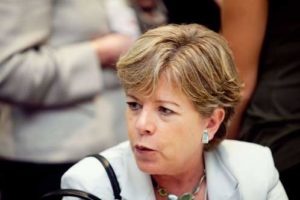
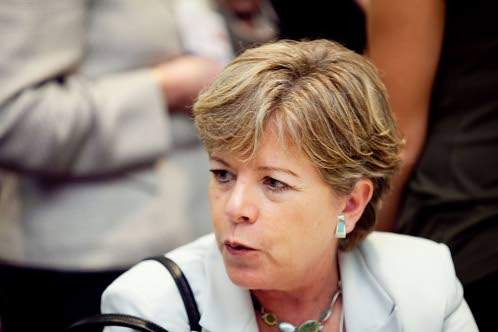
The Economic Commission for Latin America and the Caribbean (ECLAC) meeting in Santiago, Chile, has expressed deep concern about what it regards as the increasing number of femicides in the region, urging governments to give priority to public policies aimed at preventing and eradicating all forms of violence against women. In a new report, released last Thursday, 15 November 2018, ECLAC said that at least 2,795 women were victims of femicide in 23 countries in Latin America and the Caribbean in 2017.
ECLAC said its Gender Equality Observatory (GEO) reports annually on the number of homicides of women 15 years and older perpetrated for gender-related reasons in regional countries.
ECLAC said the list of the number of femicides is led by Brazil (with 1,133 victims confirmed in 2017).
“Nonetheless, if the rate per every 100,000 women is compared, the phenomenon has a scope in El Salvador that is seen nowhere else in the region: 10.2 femicides for every 100,000 women,” ECLAC said.
In 2016, Honduras recorded 5.8 femicides for every 100,000 women, while in Guatemala, the Dominican Republic and Bolivia, the commission said high rates were also seen in 2017, equal to or above two cases for every 100,000 women. In the region, only Panama, Peru and Venezuela have rates below 1.0, ECLAC said.
In the Caribbean, GEO report says four countries accounted for a total of 35 femicide victims in 2017: Belize (nine victims), the British Virgin Islands (one), St Lucia (four) and Trinidad and Tobago (21).
In the same year, the report says Guyana and Jamaica — which only have data on intimate femicides — reported the deaths of 34 and 15 women, respectively, at the hands of their current or former partners.
In 2017, the report says the rates of intimate femicides in Latin America ranged between a maximum of 1.98 for every 100,000 women in the Dominican Republic, to a minimum of 0.47 in Chile.
Source: DR1, jamaicaobserver.com
Nov 24, 2018
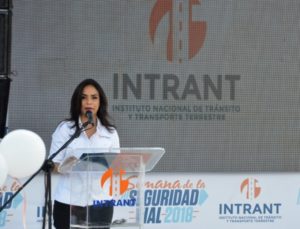
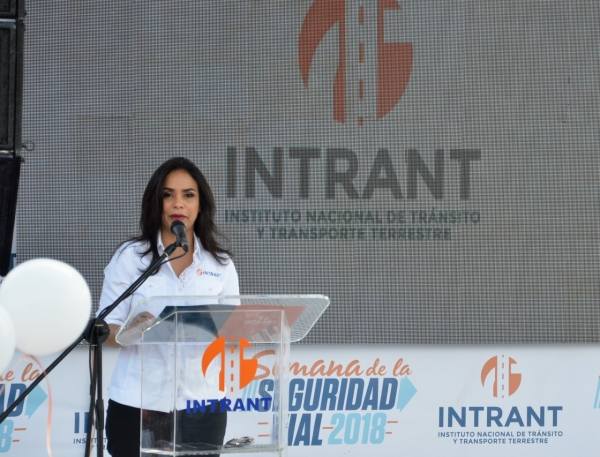
The director of the National Institute of Terrestrial Transit and Transport (Intrant), Claudia Franchesca de los Santos has said that the Dominican Republic has one of the highest rates of road traffic deaths in the Americas. She made the observation during a ceremony kicking off the First Road Safety Week. She said the first year of Intrant operations had been dedicated to develop the bases of the institution as designated in the National Road Safety Plan. She also released data from the Permanent Observatory for Road Safety (OPSEVI) that indicated during 2017 there were 2,804 road traffic deaths with the highest number at 270 being in the month of December.
She said that motorcyclists historically had the highest percentage of deaths with 1,452 in 2016 but this figure fell to 1,241 in 2017, accounting for a 14.5% decrease.
She announced a campaign in the provinces of Santo Domingo, San Cristóbal, La Altagracia, La Vega and Santiago that promotes the use of seatbelts, and warms about the danger of using a cellphone while driving.
The Road Safety data reveals that traffic accident deaths are higher than previously reported because the previous statistics did not include persons who had been injured and their deaths were later reported but not included as a traffic death statistics by the authorities.
Source: DR1, Intrant
Nov 24, 2018
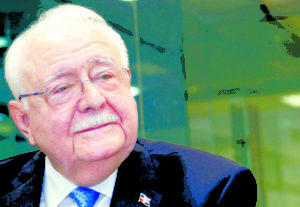
Energy & Mines Minister Antonio Isa Conde announced US company Wood Mackenzie (WoodMac), the global energy consultancy firm, is the winner of the tender to oversee the selection of companies to exploit Dominican petroleum and gas deposits. WoodMac will be in charge of assessing and planning for the process in which companies could inquire about or formally request participation in the bidding process for the exploration and exploitation rights to Dominican deposits. Isa Conde says that the finding and exploiting petroleum deposits is the priority of his ministry.
Isa Conde says the plan is for the government to receive 40% of the yield from the exploitation. He says that the government has assessed the potential petroleum deposits are in the Cibao Oriental, San Juan, Enriquillo, Azua, Bahia de Ocoa and the San Pedro de Macoris basin.
Source: DR1, Eldia
Nov 24, 2018