DR News

The unhappy news has arrived that the Brugal Company, the leading rum manufacturer in the Dominican Republic, and a major exporter of its products, has shut down operations in the Dominican Republic in support of the government emergency decree. Brugal has 900 employees in the Dominican Republic. These were sent to stay at home until new notice.
Source: DR1, DiarioLibre
Mar 23, 2020
The coronavirus is causing major disruption among those who work in the informal sector. This is estimated to employ around 59% of Dominican workers.
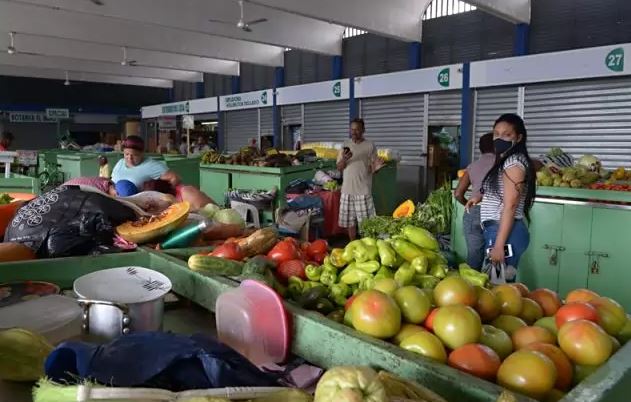
Street vendors, food stalls at the markets, trinket salespeople in tourist areas and those independent laborers who cut grass, trim hedges and clean up houses and gardens are the ones being most affected by the travel restriction, the curfew and the lack of clients for the most part.
As in the rest of the world, people here are asking “when will it end.” As of this writing, there are well over a hundred confirmed cases and one more fatality. In Santo Domingo, the main commercial streets and avenues, such as Churchill, Lincoln, Mella and Maximo Gomez are pretty much deserted. In addition, those vendors that typically service the large bus terminals on the way out of the capital, are also in dire straits, with few passengers traveling anywhere.
However, the very basic need for foodstuffs has been something of a boon for some markets, since people have continued to buy up staples for the coming week or weeks, forcing merchants to try and restock their stands and shelves.
According to one report, there is a curious lack of people at hospitals such as Marcelino Velez Santana, Dario Contreras and the Maternity center in Los Mina. With traffic down to a minimum, it is logical that the reporters did not find many people at the Dario Contreras, the nation’s largest trauma center.
Source: DR1, Elcaribe
Mar 23, 2020
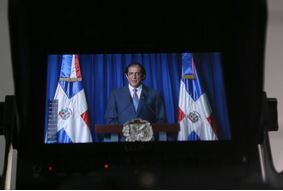
The government announced that the Metropolitan Office of Bus Services (OMSA) buses, as well as the intercity busses (both large and small) are to stop running as a measure to ensure social distancing and reduce the spread of the coronavirus. The OMSA buses, the Santo Domingo Metro and the city skylift over the Ozama River are also halted. Presidential Minister Gustavo Montalvo made the announcement. This measure will affect a large number of people.
Montalvo also noted that there is a guaranteed food supply and the egg and poultry industry has publically declared that they are ready to supply the entire market.
And finally, there is a little-known industry, called the Military Industry, which was begun by President Medina back in 2018, which will begin to supply disposable medical supplies such as surgical gowns and masks for the local market and the clinics and hospitals.
Source: DR1, Listindiario
Mar 23, 2020
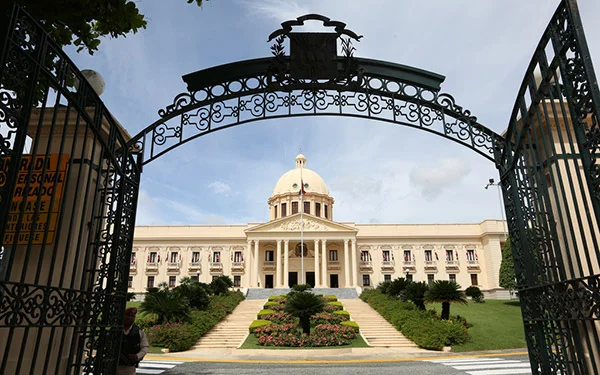
Since most of the population in the Dominican Republic was not even born the last time there was an emergency and a curfew decreed by government in 1998, it is a good thing to know just how it affects everyone in the country. What Decree 134-20 means is that the rights of assembly, of transit and of holding a meeting are suspended for the time necessary to deal with the propagation of the COVID-19. However, none of the other civil liberties, such as freedom of expression, habeas corpus, due cause and the other rights listed in Article 266 of the Dominican Constitution and Article 11 of the Law covering the Exceptional State, are hindered or curtailed.
The decree issued by President Medina is for 25 days (through 13 April 2020), and, if five days before the end of this period, the authorities are not convinced that the cause of the State of Emergency has been remedied, the Executive Branch can request from Congress approval for an extension. The President is also obliged to provide periodic reports to the Congress regarding the situation that required the original decree in the first place.
Source: DR1, Eldia
Mar 23, 2020

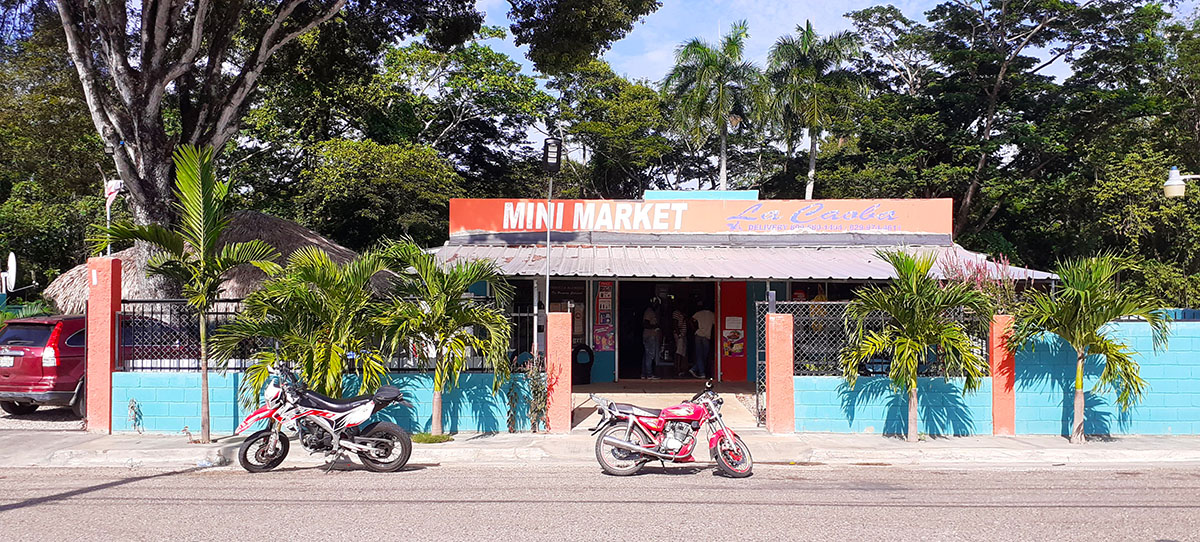
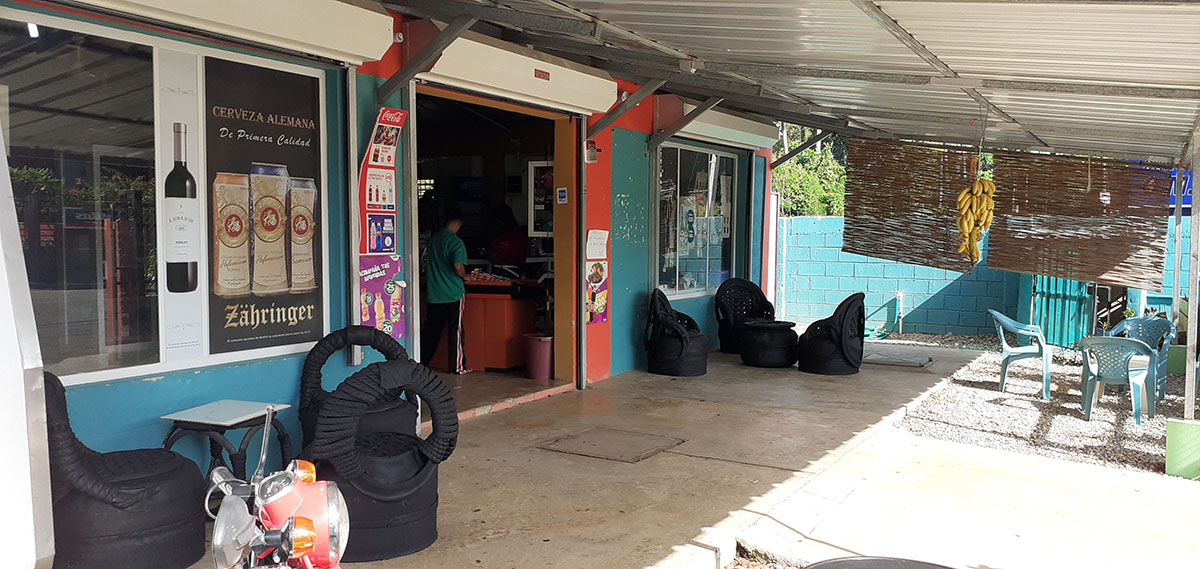
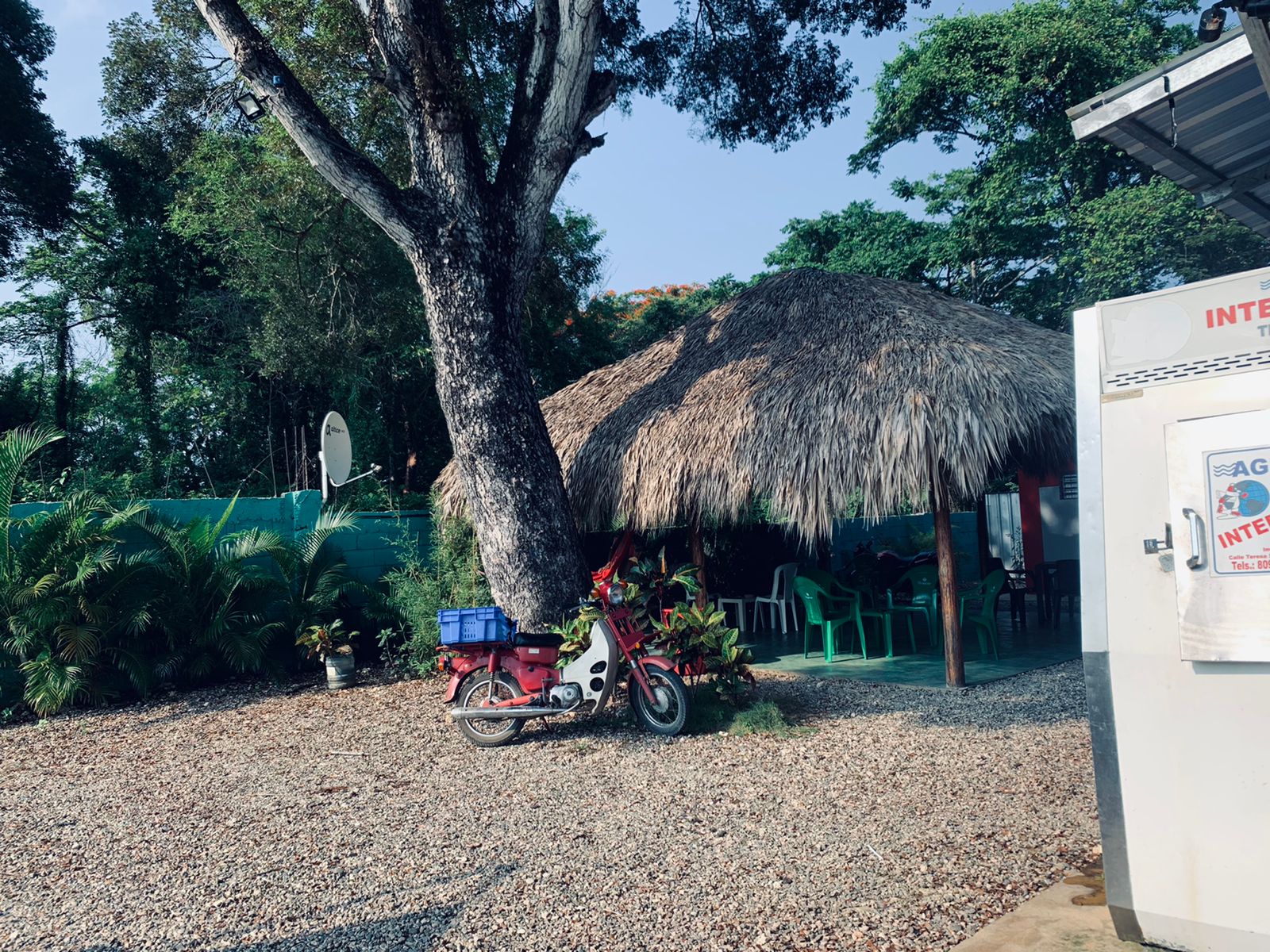
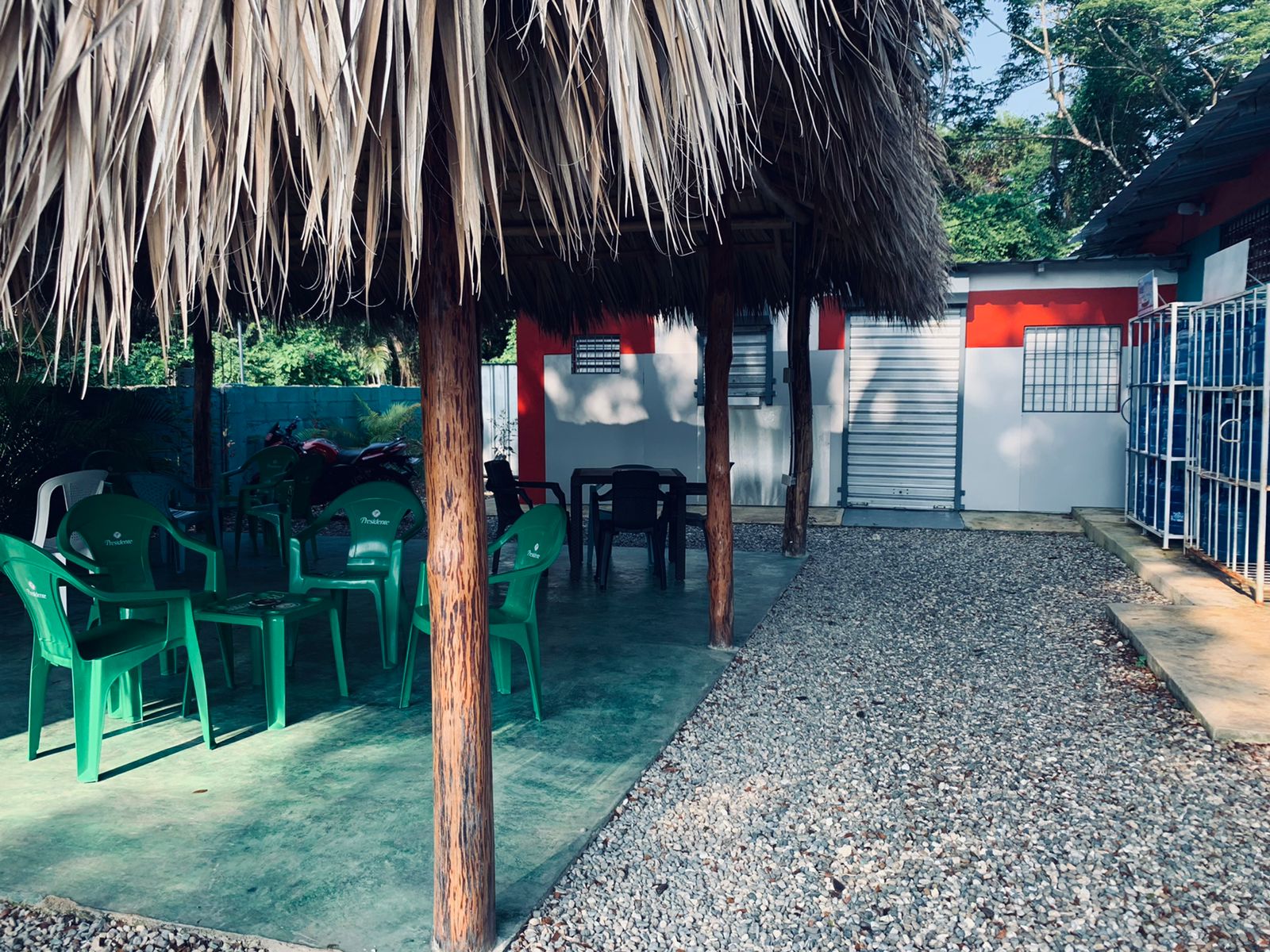
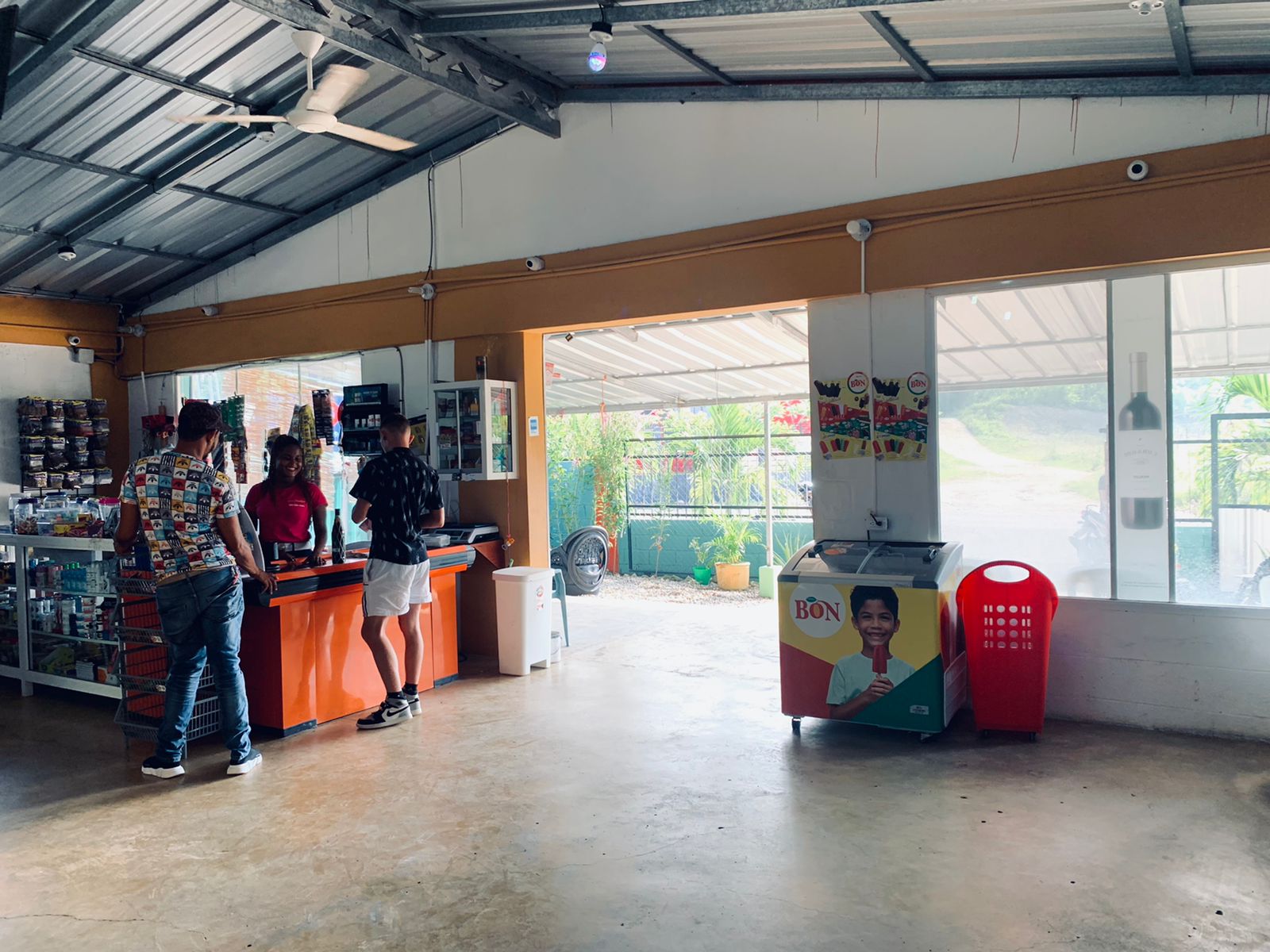
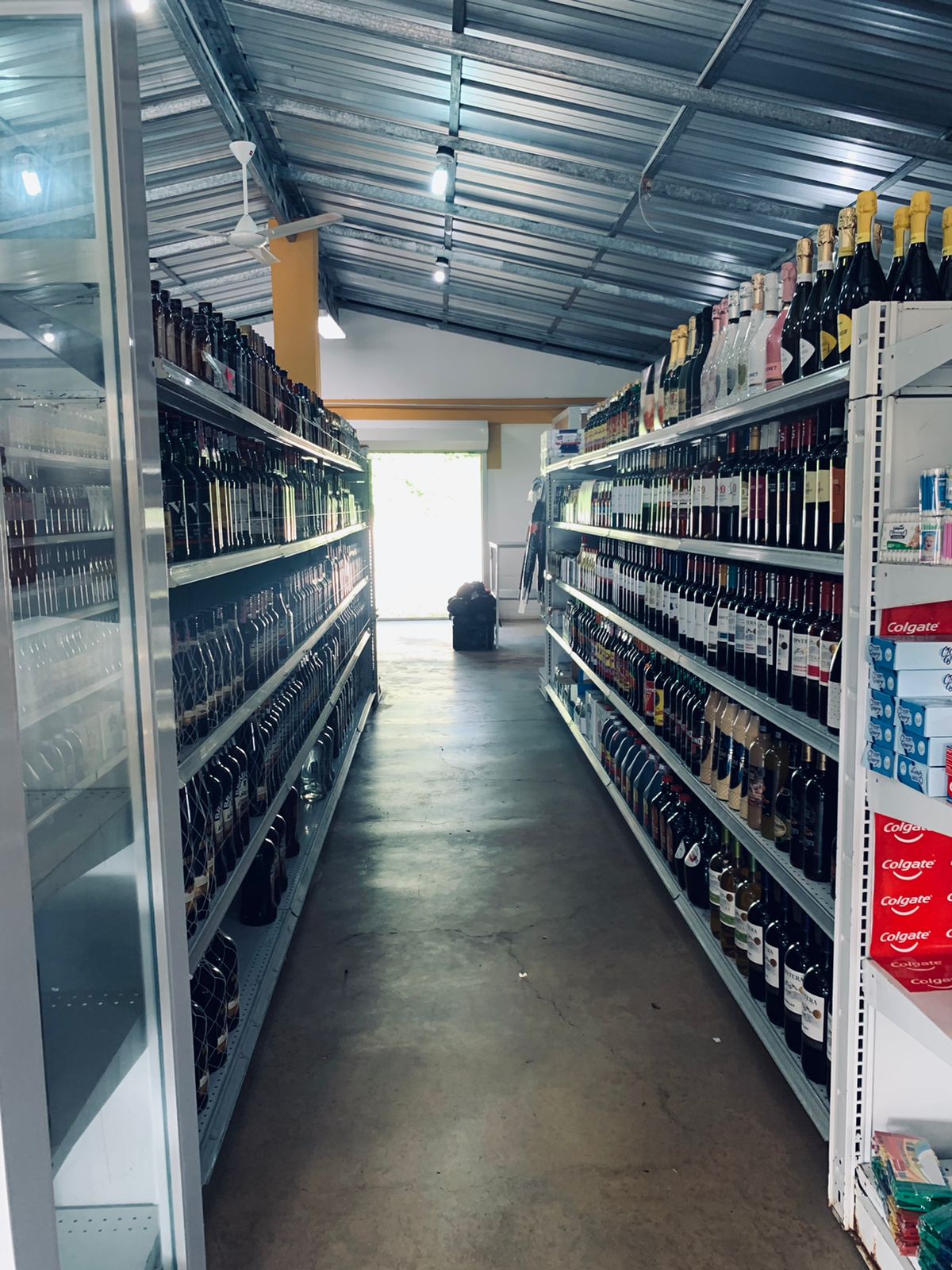
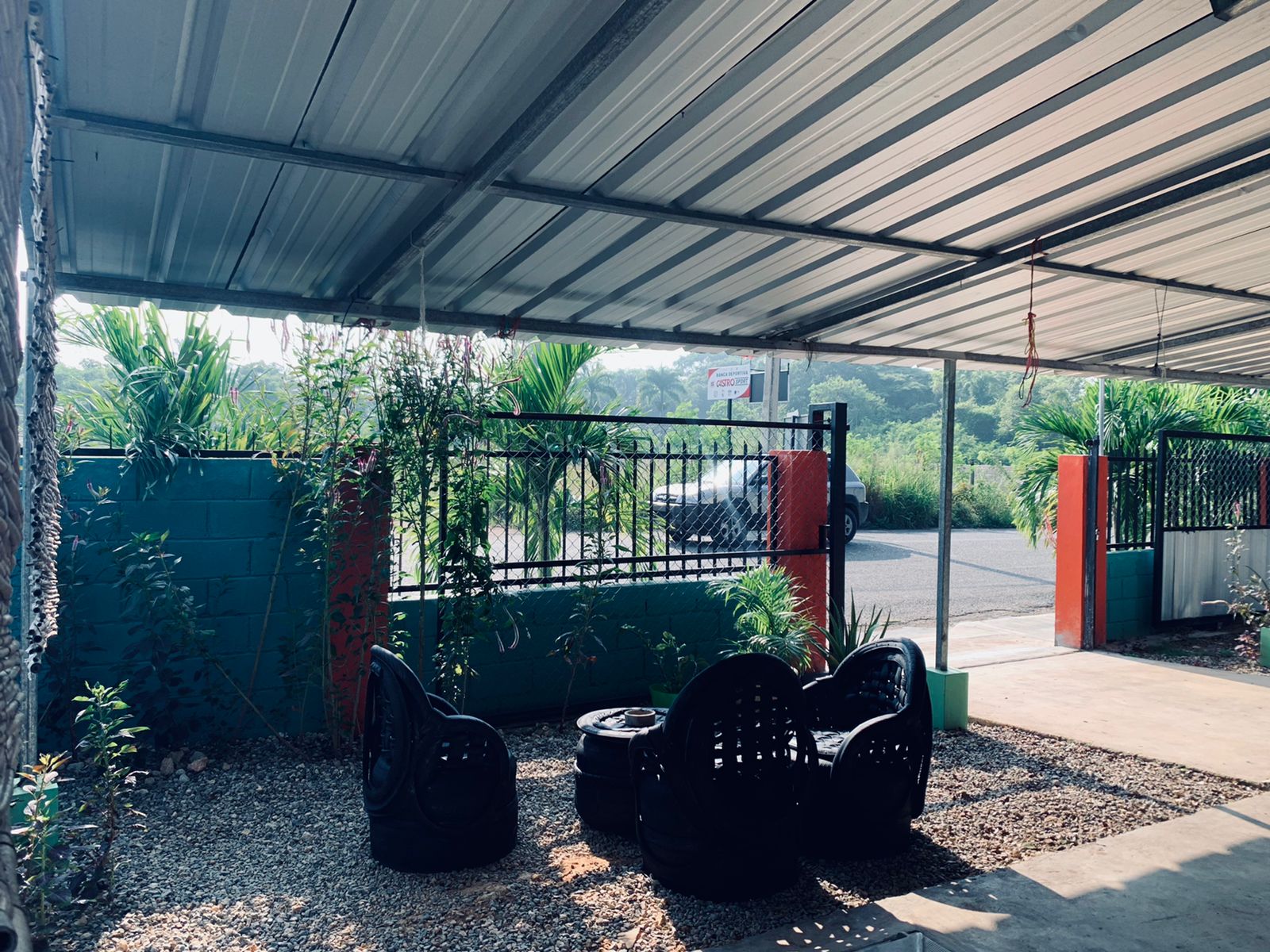
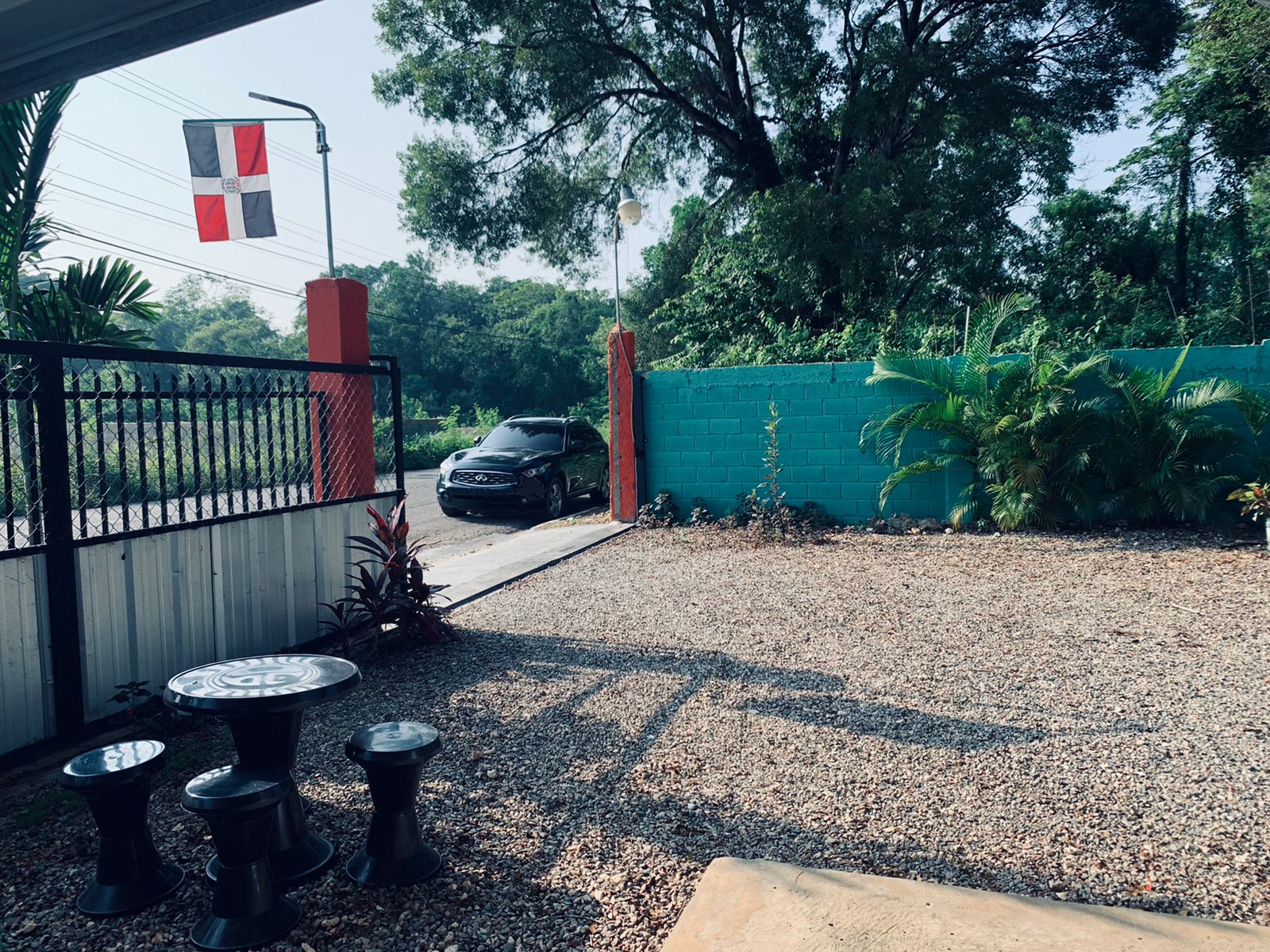
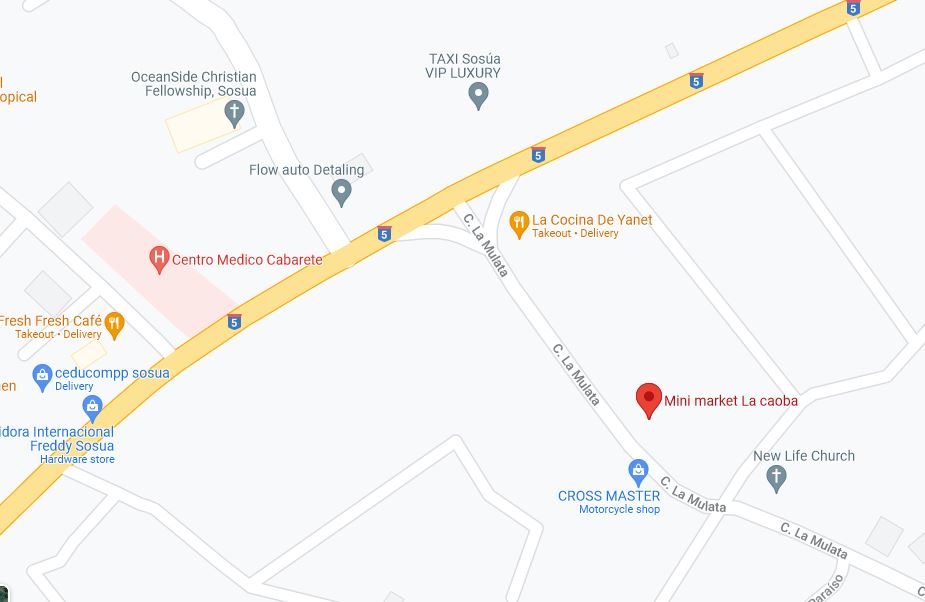
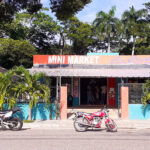
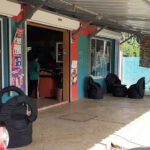
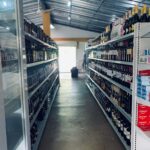
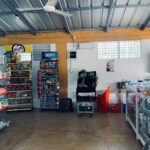
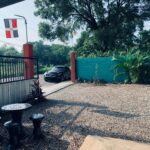
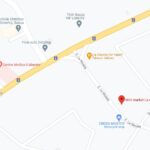
Mini Market La Caoba – is a convenience store (colmado) located in La Mulata I in Sosua, with recent new owners. Here you can purchase a variety of products such as food, fruits & vegetables, wine, beer, cold drinks, snacks, canned food, hygiene and cosmetics products, pool supply. They also have their own butchery, offering fresh meat, cheese, and sausages. Additionally, at La Caoba you can buy big bottles of drinking water and bags of ice.
Opening hours:
7:30 am – 11:00 pm
Monday to Sunday
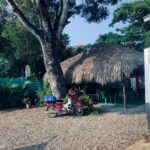
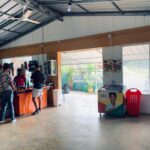
La Caoba runs the occasional BBQ and karaoke events. The new bar area is built with a nice cana roof for their visitors, and there is plenty of parking space.
Take Away: Order food delivery to your office or home.
Tel: 809-589-1494
Cell/Whatsapp: 829-974-4611
Address:
Calle Flavollan,
La Mulata I, Sosua


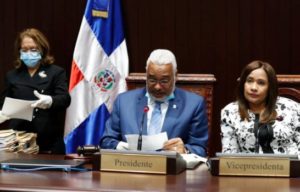
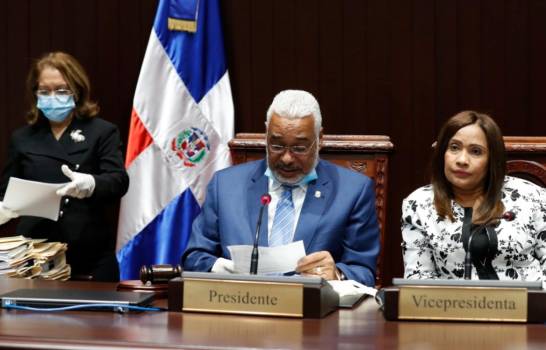
The Chamber of Deputies approved on Thursday afternoon in an extraordinary session the resolution sent by the Executive Power declaring the Dominican Republic in a state of emergency due to the COVID-19 coronavirus pandemic.
The state of emergency, which will be for 25 days, will allow President Danilo Medina to provisionally suppress freedom of transit and execute extraordinary measures to confront COVID-19, which has already claimed the lives of two people and 34 affected, according to the latest figures from the Ministry of Public Health.
The resolution was approved by the 190 deputies present and now passes to the Executive Branch for enactment.
Source: DiarioLibre
Mar 19, 2020

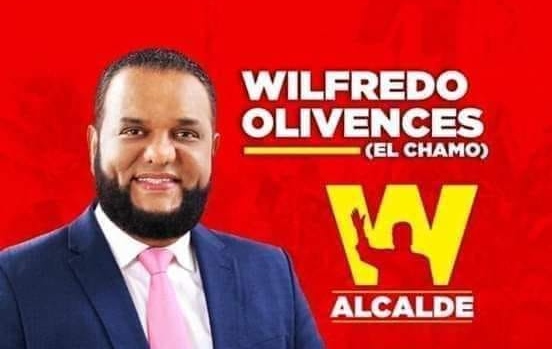
On Sunday evening, March 15, around half past ten, it was already known: Willy Olivences, better known as El Chamo, won the municipal election. Willy Olivences will be the mayor of Sosúa for the next four years. His five alderman candidates (rigidores) were also elected. Melania Guzmán (La Rubia) is expected to become the vice mayor. This is a positive development because Melania is known for working together with the catering entrepreneurs of Sosúa. When it became known on Sunday evening that Willy had won convincingly, his supporters in Charamicos, Sosúa Abajo, Maranatha and Bella Vista took to the streets en masse honking their horns for the victory. A large crowd of supporters also went partying through El Batey of Sosúa. Willy is the candidate from the common people. Always willing to fix a leaky roof or hand out a food package. He also paid the medicines and other medical costs for many poor residents.
The closure of the bars and discos on the main street Pedro Clisante has not made Ilana Neumann very popular. The closure left many employees without work and entrepreneurs without income. Many people do believe that Willy will definitively undo all of these closings. Sosúa is celebrating the victory.
Source: Sosua News
Mar 19, 2020
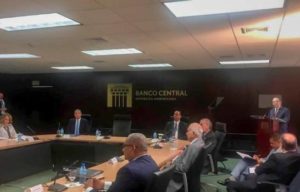
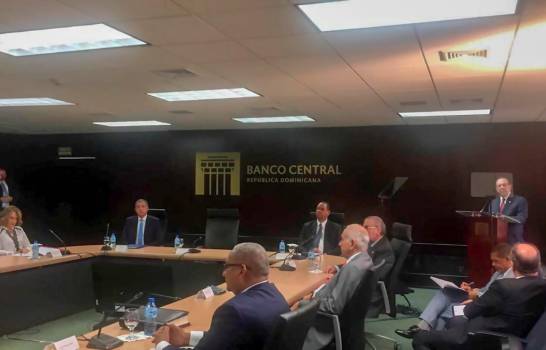
Central Bank Governor Hector Valdez Albizu and Hacienda Minister Donald Guerrero announced on Wednesday, 18 March 2020, measures that have been agreed upon with the Monetary Board to promote keeping jobs and preserving the health of the Dominican people in days of the Covid-19 virus. They announced special regulatory treatment for the financial sector in this early phase of the crisis. “The plan is to avoid a possible deterioration of the credit portfolio of banks due to the impact of Covid-19,” said Valdez.
Among the new conditions, he said that the credit rating of borrowers that cannot meet payments will be frozen to the score they had previously and the borrowers will be given 60 days to eliminate their arrears.
He said that in many cases, borrowers will be able to make use of new contingency funds that are becoming available and likewise will be able to renegotiate their loans at a lesser rate. He said interest rates of 8% will become available for exporters.
Valdez Albizu explained the Dominican economy is prepared for the situation. “We enter this situation with a strong macroeconomic standing. The country has low and stable inflation, high international reserve levels, and dynamic credit. This means the country has the capacity to act and face the effects of Covid-19,” he said. He said the measures being taken by the Central Bank, Monetary Board and the Dominican government will contribute to maintain the economic stability.
The Monetary Board decided on measures to reduce the financial impact on people and companies, and the Central Bank is making available increased resources through the banks in coming weeks. The leading economic authorities announced the government is working in collaboration with the private sector. Nevertheless, Valdez nor Guerrero had answers to how the government would assist the informal sector that makes up an estimated 58% of jobs in the country.
Central Bank Governor Hector Valdez Albizu announced US$500 million is being injected to increase money in circulation given the collapse of the tourism and farm exporter sectors. Valdez Albizu estimated that from March to June 2020, the country stands to lose around US$400 million in tourism receipts. “Tourism is the country’s main generator of hard currency, and it is practically shut down due to the coronavirus crisis,” he said speaking in the presence of members of the Monetary Board and the press. He explained that to stimulate the economy, funds are also released from legal reserve restrictions, that is 2.7% of the 20% legal reserve.
Valdez also announced half of the staff of the Central Bank will be working from home during the crisis.
Valdez forecast the measures will enable the country to keep the pace of growth of recent years, with stability of growth and development and assistance to vulnerable sectors. He said so far this year the Dominican peso has only suffered a 1.4% depreciation.
He said that the government has a US$158 million emergency contingency fund approved by Congress as part of the 2020 National Budget. He said the World Bank has also made available 50% of the quota, or an additional US$330 million, at 1.5% interest rates for balance of payment and exchange difficulties. He said these funds would only be used if they can be allocated to the Ministry of Hacienda because he said the Central Bank does not have balance of payment or exchange problems.
Valdez said what is happening in the Dominican Republic is small compared to what other large countries are going through.
Speaking during the same event, Hacienda Minister Donald Guerrero spoke of the measures to benefit formal businesses. He did not have a plan for the informal sector.
Guerrero said that export free zones, farms should apply flexible work conditions and promote work from home to avoid concentrations of their workforce and promote social distancing. He announced banks would be open from 8 to 5:30 pm.
He said that grocery stores, supermarkets, gasoline stations and pharmacies are authorized to remain open, but funeral services are being limited to only relatives of the deceased. The government-operated Santo Domingo metro and skylift will continue to operate with regular schedules, as well as OMSA government buses. Media and telecommunications services are authorized to continue operating.
Guerrero said the government has yet no plan for the informal sector. Around 58% of jobs in the Dominican Republic are in the informal sector. Guerrero said: “We are taking measures on a day-by-day basis. We are aware it is a sector that needs our attention. The formal small business sector will be the first to benefit with the low cost loans from banks. We will take steps to alleviate other sectors.”
On Wednesday, 18 March in the evening, Modern Revolutionary Party (PRM) presidential candidate, Luis Abinader was prompt to recommend the government set up a RD$5 billion contingency fund to assist those losing their jobs or work income with a minimum RD$10,000 each. Abinader estimates half a million Dominicans will be affected by the impact of Covid-19 on the Dominican economy.
Source: DR1, DiarioLibre
Mar 19, 2020
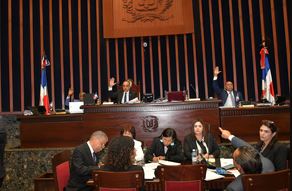
Emmanuel Esquea, a former deputy for the PRD, tweeted that Congress should not approve the State of Emergency because it would grant exceptional powers to the government during its final five months in government. Esquea does not see how the declaration will contribute to the present public health crisis.
President Danilo Medina announced on Tuesday, 17 March 2020 in his address to the nation that he would send to Congress the request for the declaring a State of Emergency.
Esquea alerts this practically eliminates the role of Congress that he says is fit to approve all necessary measures to deal with the Covid-19 virus. “The opposition should not fall for this,” he warned.
He explained a State of Emergency enables the President to order the violation of domicile and eliminate the freedom of transit, expression and gathering. It can also violate correspondence. “I want someone to tell me if the violation of these fundamental rights can remedy the virus?,” he asked. He added that in a state of emergency, the President can put any person in prison without a time limit to bring them to justice, he can transfer prisoners from one prison to another, he can prohibit a habeas corpus. “Is that good for curing the coronavirus?”
Esquea recalled that in 1930 Rafael Leonidas Trujillo consolidated his power by declaring a State of Emergency. He would govern for the next 30 years.
“It’s not that we want to politicize the coronavirus problem. On the contrary, what we don’t want is for the government to politicize it,” he warned.
The English-language translated version of the Constitution by Fabio Guzmán-Ariza states in Title XIII on the States of Exception:
Art. 262: “States of Exception are extraordinary situations that seriously affect the security of the nation, its institutions and individuals, and under which ordinary powers of government are insufficient. The President, with the authorization of Congress, may declare States of Exception in three different forms: State of National Defense, State of Civil Unrest and State of Emergency.
President Danilo Medina has announced he will ask Congress to declare a State of Emergency.
Art. 265 of the Constitution explains that a State of Emergency may be declared when events occur, that seriously and imminently endanger, or threaten to endanger, the economic, social or environmental stability of the country, or constitute a public calamity.” Art. 266 establishes a series of long list of citizen rights that may be suspended.
Yesterday, the legal advisor to the Presidency on Wednesday corrected the bill sent to the Senate for the declaration of the State of Emergency. Legal advisor Flavio Dario Espinal said it was an error to include freedom of expression. The bill restricts the rights of freedom of transit and gatherings of persons limited for 25 days, or the time necessary to avoid the spread of Covid-19.
On 26 February 2020, President Medina had already issued Decree 87-20 authorizing the extraordinary purchase of medical supplies and equipment needed to deal with the health crisis.
Source: DR1, Listindiario
March 19, 2020
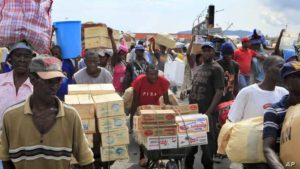
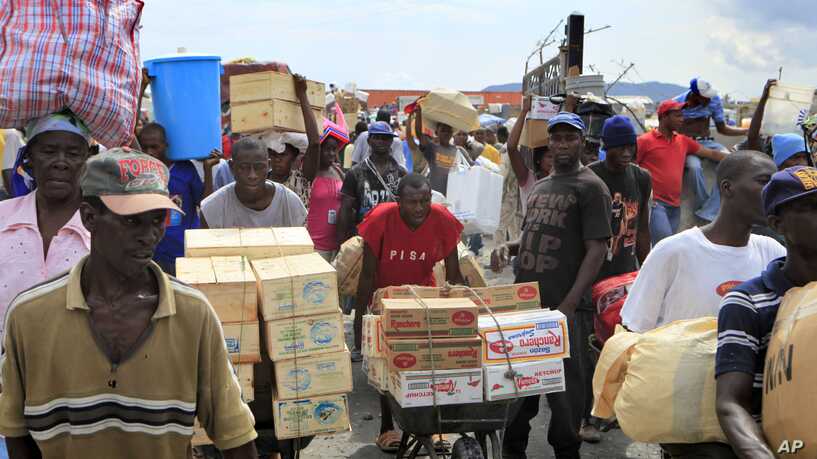
WASHINGTON/PORT-AU-PRINCE – Haiti will close its border with the Dominican Republic as of midnight on Monday, Prime Minister Jouthe Joseph announced Sunday.
Joseph said an exception is being made for merchandise, which will still be allowed across the border after screening. He said Dominican officials will test those aboard the vehicles prior to entering Haiti, and Haitian health officials will also test them upon entry.
The move aims to keep the coronavirus, which has sickened 11 people in the neighboring Dominican Republic, out. So far Haiti has no confirmed cases of the deadly disease. The country’s first suspected case, an unidentified foreign woman who had traveled to one of the countries where the coronavirus has spread, tested negative for the disease.
“We are asking people to take this pandemic very seriously,” Joseph said. “We are asking for the cooperation of all Haitian citizens as well as foreigners living in Haiti.”
The prime minister announced that Haiti is also suspending all flights from Europe and Latin America. Flights from the United States are under evaluation, he said.
“We are evaluating fights between Port-au-Prince and New York, Port-au-Prince and Miami, Cape Haitian and Miami, Cape Haitian and Fort Lauderdale,” he said. “We have an agreement with American air transportation officials that all passengers boarding planes for Haiti must be screened for coronavirus.”
He said Public Health officials at the nation’s two international airports – in Port-au-Prince and Cape Haitian – are already screening passengers for the virus upon arrival. Quarantine facilities have also been set up for passengers who exhibit flu-like symptoms. They will be required to fill out a special form, regarding the disease.
“If you are asked to undergo testing or if you are ordered to be quarantined, we urge you to cooperate. Don’t be angry, this is being done to protect our country,” he said.
Joseph appealed to avoid traveling outside of the country, unless it’s an emergency.
“We urge all Haitians to avoid all non-essential travel. Do not travel to any foreign country unless it’s urgent that you do so,” Joseph said.
According to the prime minister, the extra measures to reinforce the country’s land and maritime borders and its airports have been successful in keeping the pandemic out so far.
In addition to new restrictions affecting civilian travel, the prime minister said the government has cancelled all official travel. Joseph said any official who wants to travel abroad must first get approval from either President Jovenel Moise, the prime minister or the foreign minister.
Source: Voanews
Mar 17, 2020