DR News
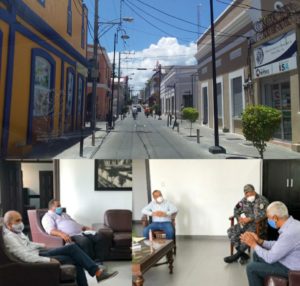
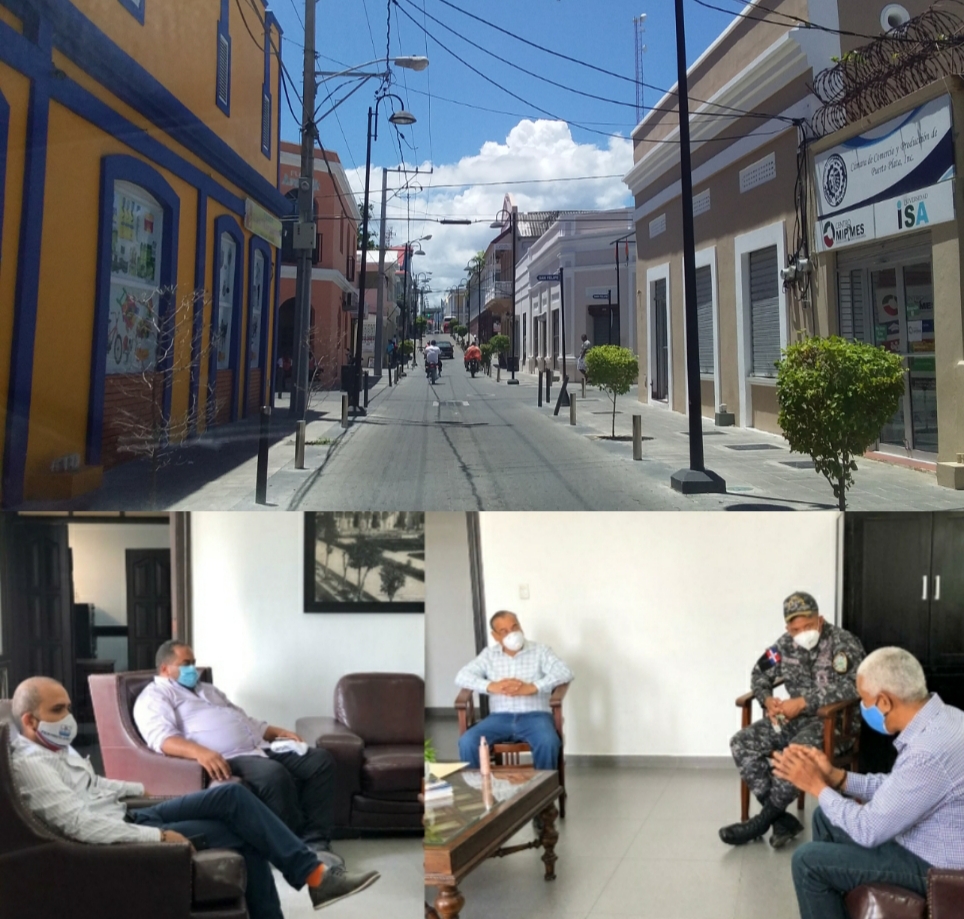
PUERTO PLATA.- Given that they have been closed for more than 50 days, Puerto Plata’s businessmen and merchants are imploring the Government to allow them to gradually open their businesses.
The president of the Association of Entrepreneurs and Merchants of Puerto Plata (ADECOMPP), Evelio Díaz, maintained that the lack of production is already unbearable for local trade since the time that has elapsed has been more than sufficient.
“While small and medium-sized Puerto Plata merchants continue with our businesses closed, ironically the large supermarket chains are open and they sell everything, without applying any restrictions, which is not fair,” Díaz said.
He clarified that they respect the restrictive measures implemented by the authorities to prevent the spread of the COVID-19 virus, but with keeping all the shops in the city closed, these official provisions have gone too far.
Also, the renowned businessman José Daniel Jiménez (Niño), expressed that since March 17 his store located on Camino Real street has been closed and more than 110 employees depend on his business, who are desperate to be practically out of work.
He stated that although government decisions in the fiscal and labor spheres seemed correct, the economic losses are incalculable, so it is already prudent to allow the opening of commercial establishments in Puerto Plata.
For this reason, last Friday a group of businessmen and merchants held a meeting with the Civil Governor of Puerto Plata, Iván Rivera, whom they asked to manage in the National Palace to gradually open local businesses.
Puerto Plata’s merchants called the High-Level Commission for the prevention and control of COVID-19 to accept their proposal, indicating that they are committed to educating their customers in compliance with social isolation and other sanitary measures. required.
They guaranteed that if they were allowed to open their commercial establishments in a staggered manner, they would faithfully comply with the sanitary protocol established by the authorities since the reopening of commerce and hospitality would allow thousands of employees to return to their workplaces.
Source: Puerto Plata Digital
May 11, 2020
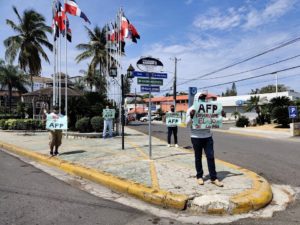
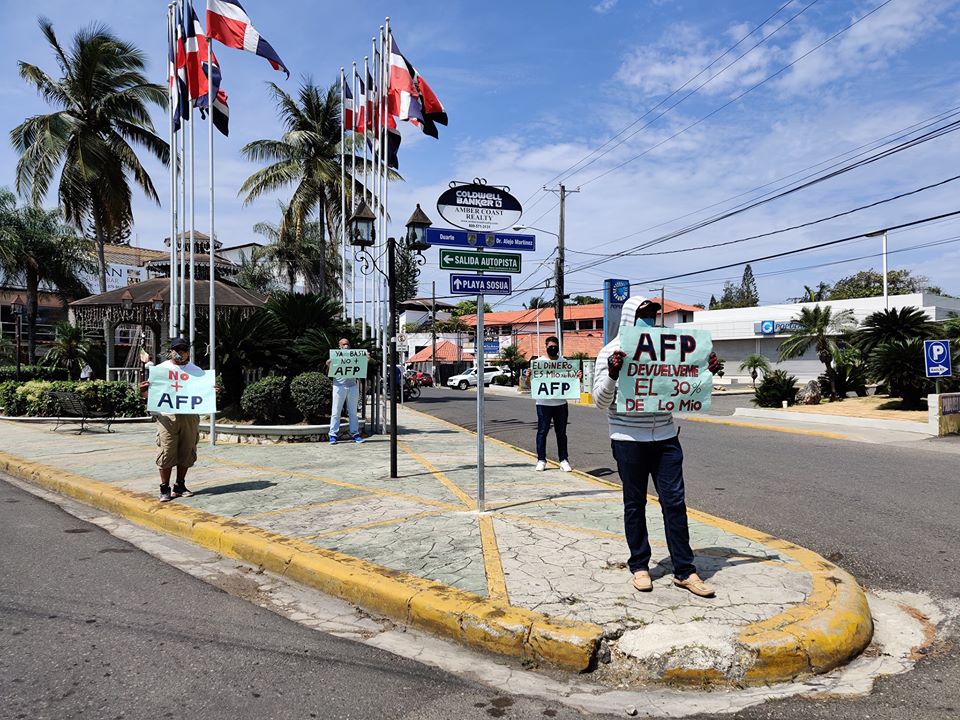
PUERTO PLATA.- Four citizens protested peacefully in the Parque de Las Banderas in the tourist municipality of Sosúa, demanding that the Pension Fund Administrators (AFP) hand over 30% of the accumulated money to Dominican workers in this crisis caused by Coronavirus. The protesters carried signs, they stood for several hours on the public highway to make their demand, which they described as fair for the benefit of the country’s working class.
Source: Puerto Plata Digital
May 8, 2020
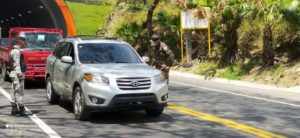
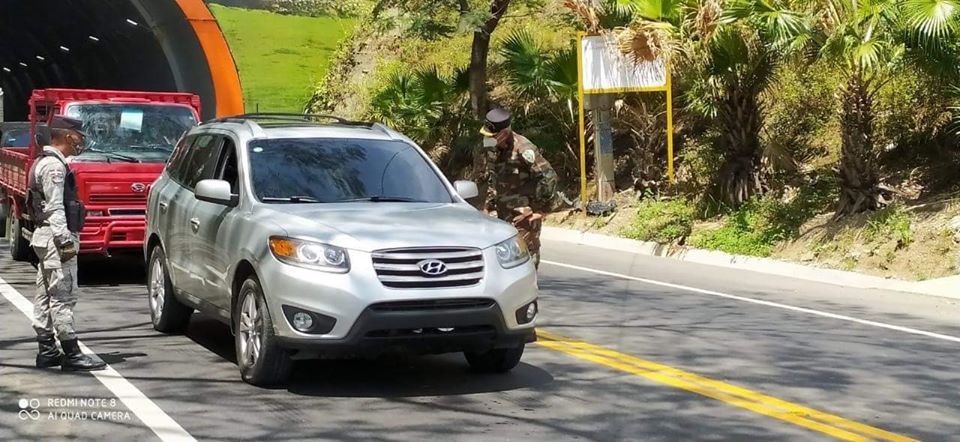
PUERTO PLATA.- With great caution, dozens of drivers must pass verification every day at the checkpoints installed at the eastern and western access roads to Puerto Plata, where government authorities have established a Sanitary Cordon that includes social distancing.
Source: Puerto Plata Digital
May 8, 2020
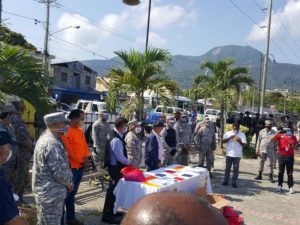
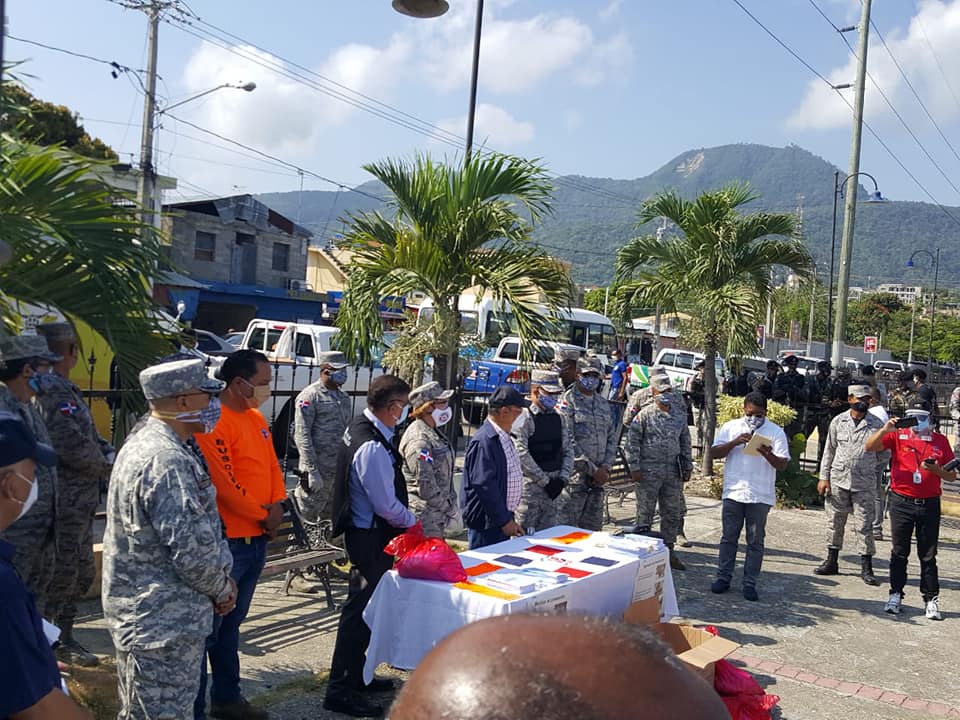
PUERTO PLATA.- Government authorities began yesterday in the popular sectors of this city an intense day of identification of possible positive cases of Coronavirus.
The opening ceremony took place in the Juan García park on Avenida del Muelle, where the Provincial Director of Health, Wady Musa Valerio, was present, accompanied by the Civil Governor, Iván Rivera and other officials.
The day to identify positive people to the Coronavirus, is carried out by the Ministry of Defense (Armed Forces) in coordination with the Ministry of Public Health, where a total of 14 teams of civil and military doctors operate, who carry out rapid tests.
Likewise, the military, police officers, Civil Defense volunteers and community leaders visit all the neighborhoods, house by house asking if any person presents any symptoms that could be suspected of being a possible carrier of the COVID-19 virus.
Source: Puerto Plata Digital
May 8, 2020
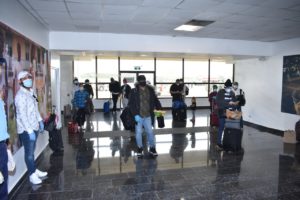
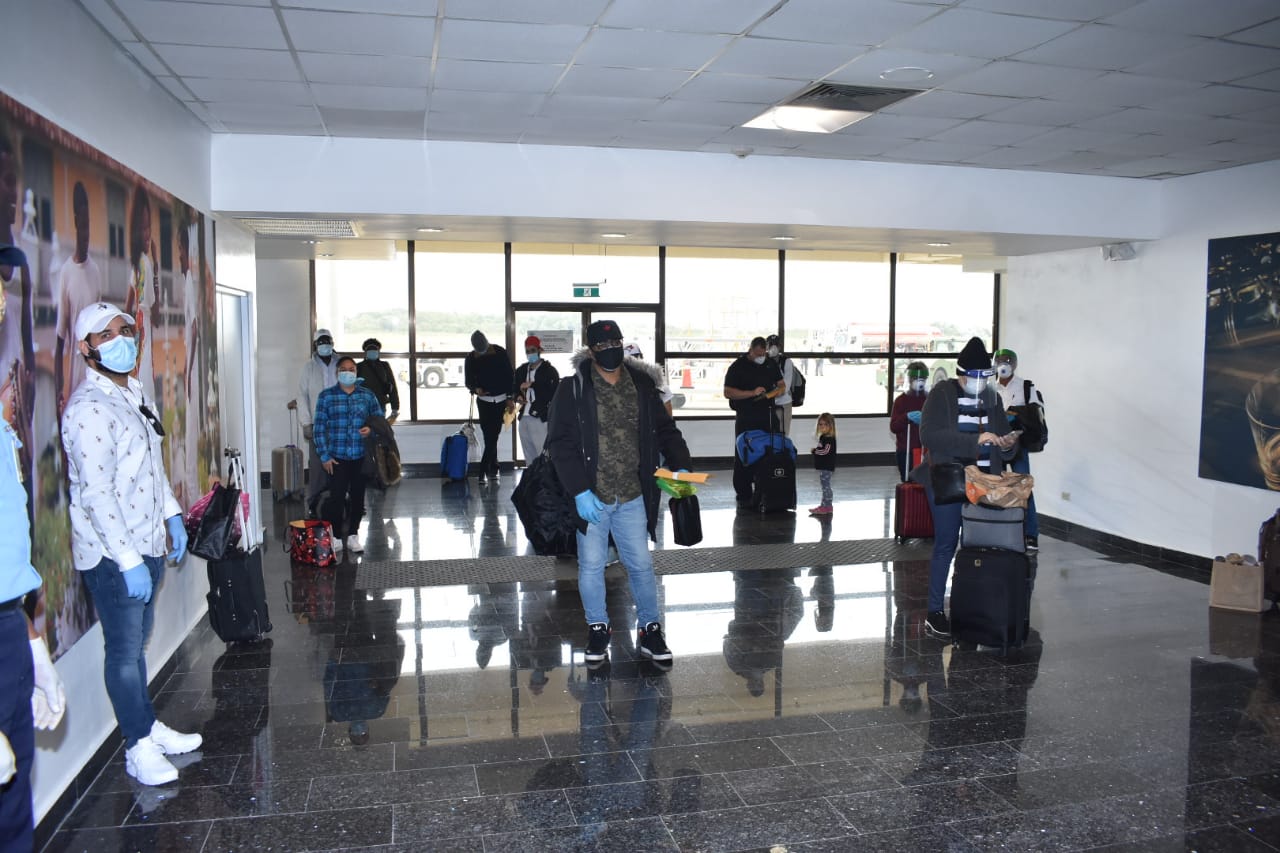
PUERTO PLATA.- A total of 28 Dominican citizens who were stranded in Canada due to flight restrictions due to the COVID-19, arrived in the country today through the local airport terminal.
The passengers arrived on charter flight 394 of the WestJet airline from Toronto, received by the Canadian Ambassador into the country, Shauna Hemingway, as well as the pilot brigadier general, Juan Darío Tejada Quintana, who commands the Joint Task (FTC).
Likewise, the Provincial Director of Health in Puerto Plata, Wady Musa Valerio, the commander of the Puerto Plata Air Base, Colonel César Edgardo Severino Santana, and the North Regional Director of the National Police, Francisco Pérez Encarnación, were present.
All travelers who were in Canadian territory underwent rapid tests of the COVID-19 and then were taken to an isolation center where they will have to comply with the required quarantine.
Source: Puerto Plata Digital
May 8, 2020
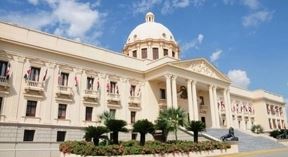
The Executive Power sent this Thursday to the Senate of the Republic a request for the extension of the state of emergency for another 25 days, due to the crisis the country is facing due to the new coronavirus.
The national emergency, resolved by the National Congress at the request of President Danilo Medina, expires on April 13. Given the new request, if accepted, it would be extended for 25 more days, so we would stay in this exceptional situation until Thursday, May 7.
“During the validity of the state of emergency, the Executive Branch will continue to report to the Bicameral Commission to follow up on the state of emergency,” says the request.
The national emergency grants special and temporary powers to the President of the Republic to handle a crisis that threatens the country and demands an immediate response.
The measure is established in article 265 of the Constitution of the Republic, which explains that: “The State of Emergency may be declared when events other than those provided for in articles 263 and 264 (of the Constitution) occur that disturb or threaten to disturb seriously and imminently the economic, social, environmental order of the country, or that constitute public calamity ”.
Source: ListinDiario
Apr 2, 2020
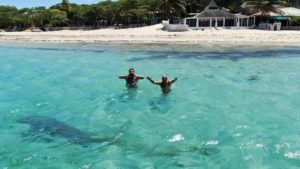
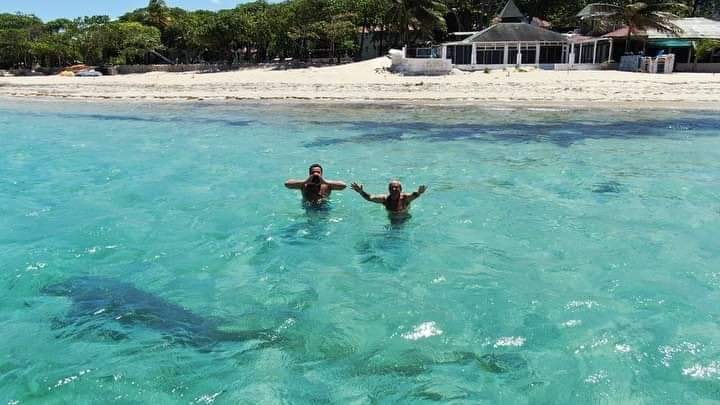
PUERTO PLATA.- On Wednesday afternoon, a playful dolphin brought excitiment to a group of citizens on Long Beach, Malecon.
“The presence of the animal in front of the La Carihuela establishment on the Malecon in Puerto Plata, could be interpreted as an advantage in the absence of people on the beaches due to the COVID-19 quarantine,” reported the experienced announcer July Polanco.
It was one of the few times that a dolphin has come so close to the beach area on the Malecon of this Atlantic city. The marine animal swam for several minutes near two bathers who were in that area of the beach and who even came to take photographs and record it on video.
“They (the animals) are being happy. They are giving us a lesson that we (humans) are the problem. The whole nature is cleaning and taking its place,” said the young Raúl García (La Vara).
Source: Puerto Plata Digital
Apr 2, 2020
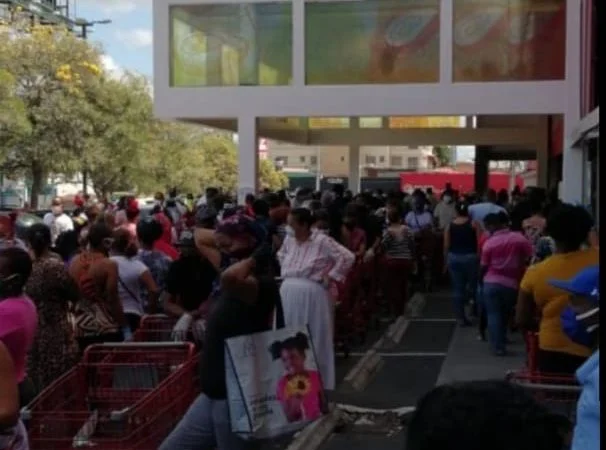
On Sunday, 29 March 2020 Dominicans read several social media messages “tipping” people that a total lockdown would be declared. Thousands headed for the supermarkets to replenish their stocks. Dominicans have been ordered to stay at home since 20 March 2020. Making matters worse on Monday, nevertheless, at the end of the 6am curfew, hundreds of persons transiting from eastern Santo Domingo to the National District met with an unexplained roadblock at the Juan Bosch Bridge over the Ozama River. The roadblock would not be lifted until 9am.
Defense Minister Ruben Paulino Sem explained the measure saying the roadblocks at the entry and exit points of the Great Santo Domingo were to control these and ensure that no unnecessary mobilizations are being carried out. There is no legal disposition that impedes people from circulating outside of the curfew hours, nor have these been extended outside of the 5pm to 6am hours.
A spokesman for the Police Colonel Frank Duran Mejía defended the roadblock as part of a tightening of controls on entry and exit against the spreading of the virus. The roadblock was maintained from 6am to 9am on the bridge and caused major inconveniences to thousands.
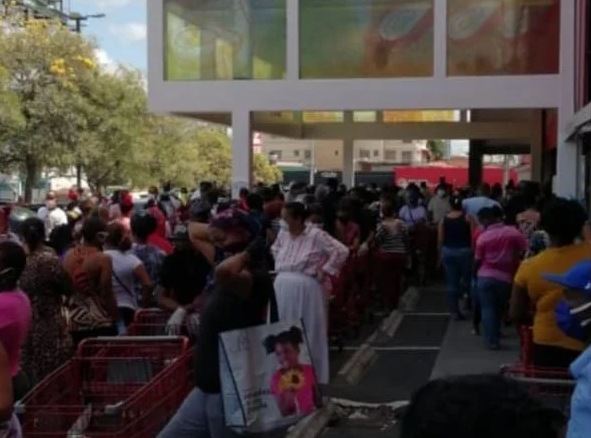
TV reporters showed views of the blocked vehicles and when this went viral, the uncertainties and thousands reacted going to the stores to shop. They were met with long lines as supermarkets have instituted an obligation to keep a meter between every person entering the store. To shop, a facial mask is required.
The roadblock seemed to confirm the messages that were circulating on social media that a 24-hour curfew would be called. Even more people took to the stores to stock up for the would-be 14-day lockdown. Given that most unessential businesses are closed, thousands had the time to go shopping. The agglomeration of people was exactly what the Ministry of Public Health had been recommending against.
On the morning of Monday, 30 March 2020, the Administrative Minister of the Presidency said that the government is not contemplating a total lockdown to stop the virus.
Public Health Minister Rafael Sánchez Cárdenas had said on Monday that San Francisco de Macorís is being taken as a model city of worst scenario for the spreading of the disease. He said what happens there will determine whether more drastic measures are taken. The director of the Police, Major General Ney Aldrin Bautista has said the Police has “shut down the city plan” but this would not be enacted without an order from the High Commission for the Prevention of the Coronavirus.
Dr. Waldo Ariel Suero of the Medical Association and several medical associations have called for the total lockdown for 14 days to curb the disease. Dr. Suero says only this measure will curb the disease. “It has the advantage that it avoids spreading the disease, detects the cases when persons without symptoms become ill at home, making these easy to locate, and isolates the ill,” said Suero.
Business sectors see the 14-day measure as a short-term hardship that will reduce having to keep other less strict measures for longer. William Figuereo, the spokesman for a large passenger transport company, said on TV: “If this is what we have to do, then we will have to do it.” He said it had worked in other countries.
Sociologist Melvin Mañón writes that the total lockdown is not practical because the government has no way to enforce it. He pointed to the difficulties the government is having in implementing the 5pm to 6am curfew. Around 2,000 people every day are arrested by the Police and military for violating the curfew. Hundreds of thousands of residents in the Dominican Republic are employed in businesses that have had to close, sending workers home without pay. This includes thousands of Haitians that worked in construction, hotels, and restaurants. Hundreds have started to return to Haiti, where the disease is just starting.
Diario Libre reported on 31 March 2020 that around 120,000 workers had been suspended without pay at the Ministry of Labor.
Source: DR1, Hoy
Mar 31, 2020
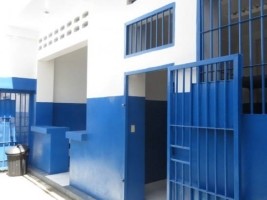
Friday a meeting was held between the Minister of Justice Lucmanne Delile and the Commissioners of the Government of the 18 public prosecutor’s offices of the country vis-a-vis the concerns expressed compared to the situation in the prison centers and the risk of contagion and propagation of COVID-19. During this meeting, Minister Delile instructed the Government Commissioners to do everything in their power to decongest prisons, especially those in the metropolitan area.
During this meeting, he underlined “Highway bandits such as kidnappers and rapists will certainly be kept in prison but the perpetrators of petty thefts, commonly called ‘larcins’ in Haitian legal jargon, can be released.”
Monday following this meeting, Charles Nazaire Noël, Director of Penitentiary Administration said during a joint press conference about preventing the COVID-19 coronavirus in prisons and fighting its spread “Awareness sessions have been held took place in prison centers across the country, installing water stations for hand washing and canceling visits until further notice. ”
For his part, the Government Commissioner of Port-au-Prince Jacques Lafontant presented the measures to relieve the congestion in the prisons of the jurisdiction of Port-au-Prince.
List of criteria :
- 1 – Prisoners of both sexes aged 65 and over with the exception of those serving a life sentence;
- 2 – Prisoners of both sexes suffering from a serious comorbidity factor declared prior to the COVID-19 pandemic with the exception of those serving a life sentence;
- 3 – Inmates of both sexes awaiting correctional judgment for more than 6 months;
- 4 – Prisoners of both sexes in possession of a referral to trial for crimes with the exception of the crimes of kidnapping, rape of minors and murder whose preventive detention exceeds 2 years firm (4 years for the jurisdiction of P-au-P);
- 5 – Prisoners of both sexes with a correctional judgment removal order;
- 6 – Convicts of both sexes held in excess detention due to the nature of a sentence denominated in forced labor;
- 7 – Convicts of both sexes detained for lack of a trial procedure followed by the prosecution of the prosecution;
- 8 – Convicts of both sexes having served at least 80% of their temporary sentences and who behaved with the exception of the crimes of kidnapping, rape of a minor and murder;
- 9 – Defendants in charge of investigating magistrates for misdemeanors and/or criminal associations.
- 10 – Detainees reputed to have no records, with the exception of the crimes of kidnapping, rape of minors and murder;
- 11- The recovered escapees corresponding to the legal situation of categories 4, 9 and 10.
Source: HaitiLibre
Mar 31, 2020
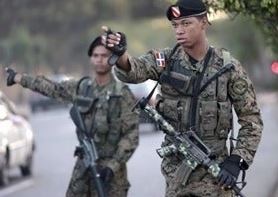
President Danilo Medina issued Decree 134-20 on Friday, 20 March, imposing a curfew through 3 April 2020 and stricter transit measures in the Dominican Republic. The measure comes after Congress approved declaring a State of Emergency on Thursday, 19 March.
The Police are ordered to enforce the measures and during the first four days around 4,000 persons have been arrested for violating the curfew. Vehicles are being seized to ensure Dominicans take it seriously. The vehicles need to be recovered at the Canódromo vehicle storage on 4 April 2020. The government is urging people to take it seriously. Around 500 vehicles have been seized from people who were on the road during the curfew.
The last time the DR was subject to a curfew was in 1998 on 10 September after Hurricane Georges hit the southeast of the country, killing 235 persons.
The measure is intended to reduce the speed of transmission of the coronavirus after the total number of cases has climbed to 202 as reported on Sunday, 22 March 2020, almost double those on the previous day. Sánchez Cárdenas says that the spike is attributed to the wedding in Cap Cana, the cruise ship passengers on the Costa Favolosa and a private party.
Source: DR1, Listindiario
Mar 23, 2020