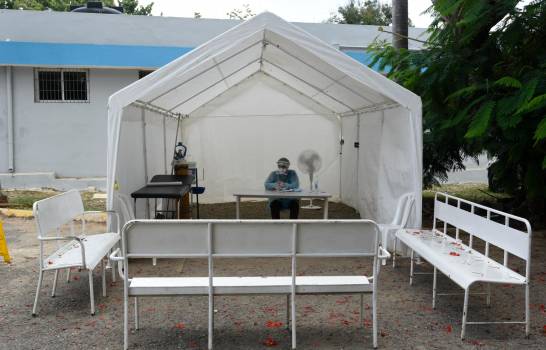
As of July 30 and until September 14, all who wish to enter the country will be asked to have a negative result of the PCR test (or Polymerase Chain Reaction, for its acronym in English) of the five days prior to your arrival date. If this result is not available, government personnel will carry out a quick test at no additional cost to the passenger. In the same way, an evaluation of the health condition is made upon arrival and, those people who present symptoms of COVID-19 or whose test result is positive will be isolated in centers authorized for their care. The rapid test provides reliable results in less than 10 minutes through a blood serology test. Children under the age of five and crew members are exempt from the test. As of September 15, a rapid breath test will be applied that the authorities will randomly perform on between 3% and 10% of travelers upon arrival in the country, keeping the exceptions mentioned above. The test will also be applied to travelers with symptoms. Also starting on September 15 will be granted temporarily, free of charge and until December 31, 2020, to all tourists visiting a hotel, during the check-in process, a traveler assistance plan that, in addition to coverage of emergencies, includes COVID-19 tests and costs for long-stay and flight changes. All persons entering the Dominican Republic must complete, in addition to immigration and customs forms, a Traveler Health Affidavit in which they attest that they have not presented symptoms in the last 72 hours and provide their contact information for the next 30 days. The health declaration will be delivered to the passengers for their signature by the airport personnel, or by the airline.
From August 9 to September 27, a curfew is established from 7:00 pm to 5:00 am from Monday to Friday and from 5:00 pm to 5:00 am on Saturdays and Sundays in Santo Domingo , National District, Santiago, San Cristóbal, La Vega, Puerto Plata, Duarte, San Pedro de Macorís, La Romana, San Juan de la Maguana, La Altagracia, Azua, Monsignor Nouel, Sánchez Ramírez and María Trinidad Sánchez; and every day from 8:00 pm to 5:00 am in Espaillat, Peravia, Barahona, Monteplata, Valverde, Hermanas Mirabal, Monte Cristi, Samaná, Bahoruco, Hato Mayor, El Seibo, Dajabón, Santiago Rodríguez, San José de Ocoa , Elías Piña, Independencia and Pedernales.
During the curfew hours the circulation of international passengers and operators of private or commercial vehicles that are transferring them, as well as employees of the maritime and air transport sector duly identified, in transit to or from ports and airports, will be allowed; and of employees or contractors of the hotel industry exclusively during the exercise of their work functions.
From the 1st of July, the country restarted the tourist operation, with the opening of the country’s borders by land, sea, and air. Measurements include:
Reactivation of commercial flights to and from the country’s airports.
Reopening of hotels, adhering to strict protocols to offer a safe environment, which includes all cleaning measures and promotes social distancing, as well as the use of contact-free technologies.
Activities in bars and nightclubs, as well as national and international events and public, cultural, artistic, and sporting shows, are suspended.
Physical distancing and the use of masks are mandatory in all public spaces such as banks, supermarkets, and offices, among others.
Public transport operates with modified schedules and physical distancing of at least 1.5 meters, reducing its capacity to 60%. OMSA services (buses) and the Santo Domingo Metro will operate from 6:00 am to 6:00 pm from Monday to Friday and from 6:00 am to 4:00 pm on Saturdays and Sundays. On Sundays, the buses operate from 7:00 am to 4:00 pm. The Cable Car operates from 6:00 am to 6:00 pm Monday through Friday, from 6:00 am to 4:00 pm on Saturdays and from 8:00 am to 4:00 pm on Sundays.
The private collective transport of passengers, shopping centers, and gambling companies operate normally in the allowed hours, except casinos. Every commercial establishment that operates in closed spaces must ensure a physical distance of 1.5 meters, in addition to the proper use of masks, as well as compliance with the rest of the new sanitary regulations established by Public Health.
Indoor gyms are operating under strict sanitary protocols. The land border (to the west of the country) remains closed, except for the transport of goods.Religious services are allowed, with a small number of people.
Establishments that sell food and alcoholic beverages to the public, such as grocery stores, cafeterias, groceries, and warehouses, as well as restaurants, must operate depending on the curfew schedule in the town where they are located. Restaurant employees or contractors providing home delivery may circulate until 11:00 P.M. during the curfew exclusively in the exercise of their job duties. Some restrictions such as restaurant hours do not apply to hotels. For more information, contact your hotel directly.
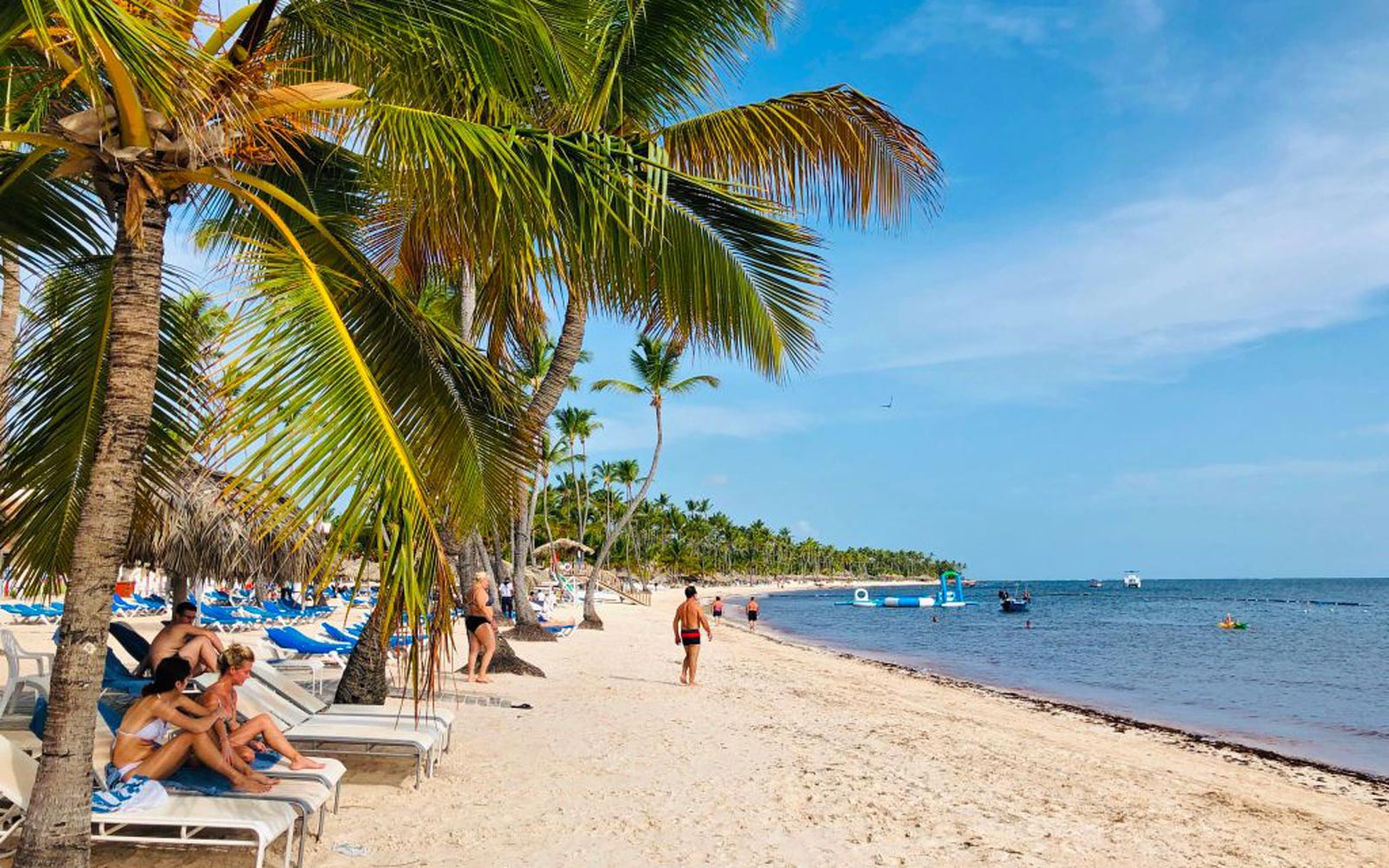
The use of public swimming pools, lagoons, and rivers is prohibited nationwide. All the beaches are open, maintaining social distancing. Public parks remain open for recreational purposes and outdoor exercise. The Dominican Republic has a robust health system that has been able to identify the cases present in the country. For more information on COVID-19 in the Dominican Republic, please go to the website of the
Ministry of Public Health (https://www.msp.gob.do/web/) or download the COVID-RD mobile application, available at the App Store and Google Play, which works as a passport for tourists with which, through a QR code, the visitor can report their condition and have access to a series of services and information.
For MITUR, the well-being and safety of visitors is a priority, so it will continue working in coordination with the other relevant authorities to continue strengthening the country’s preventive measures against the coronavirus. For more information visit the Traveler Information Center: https://drtravelcenter.com/es
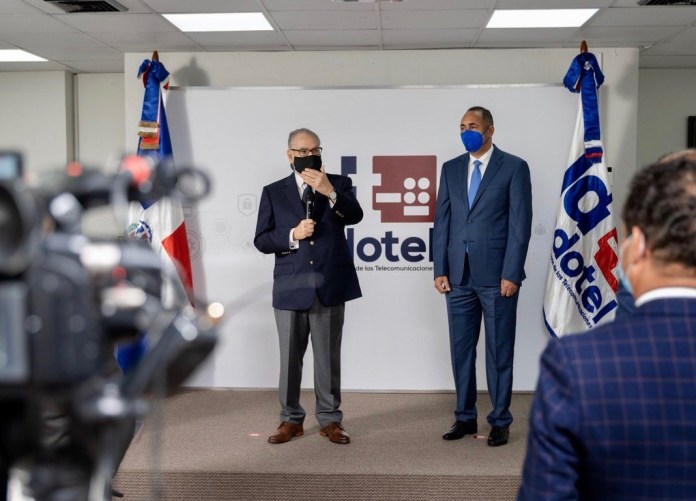
The new director of the Dominican Telecommunications Institute (Indotel), Nelson Arroyo threw a bucket of ice water on those dreaming about digital learning being the standard. Arroyo says the reality is that the prevailing poor connectivity is making virtual learning difficult for this school year. He said the focus should be on distance learning programs via radio and television for the rest of the year. He said digital learning will be complementary in most public schools for the start of this school year.
President Luis Abinader had announced the 2020-2021 school year will begin on 2 November with online classes, radio, and TV instruction. The government is investing heavily in providing laptops, notebooks, and tablets to public school teachers and students. Abinader has expressed high hopes the Covid-19 situation would push the country to reduce the digital divide.
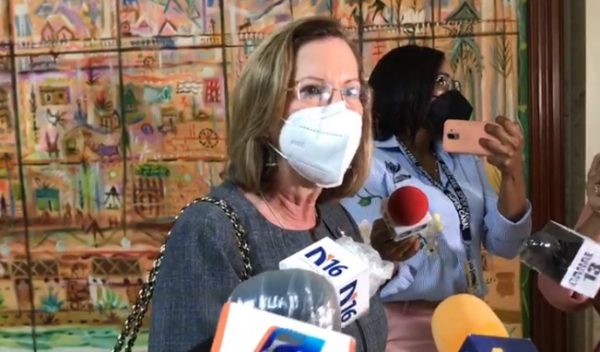
When asked about Arroyo’s opinion, Vice President Raquel Peña said the government is working intensely to make digital learning possible for this school year.
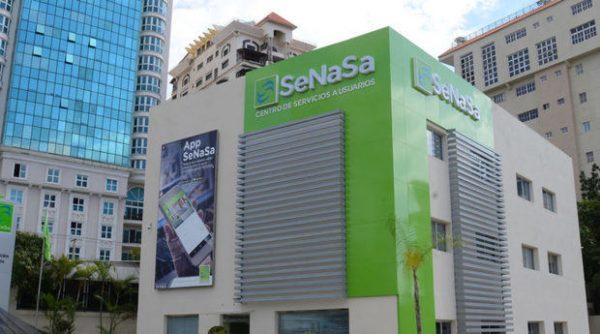
The government has said that all Dominicans that are at present uninsured will be affiliated with the Senasa medical plan. The goal is for universal coverage of citizens. This means an estimated two million people that at present do not have insurance will be affiliated from now to December 2020. For hundreds of thousands, the insurance is free.
To apply the person must have a Dominican identity card, or a Dominican birth certificate or marriage certificate if the request is to be added to another family member plan.
Hoy newspaper reports on the difficulties in affiliating such a large number of people. In its coverage of the event attended by President Luis Abinader that marked the start of the procedures, Hoy observes the agglomeration of people and the lack of physical distancing.
The SeNaSa has almost 4 million affiliates in plans where the people are not charged. The plans offer coverage at most Dominican public hospitals.
The Tax Agency (DGII) announces renewals of the vehicular drive permit will start in November, and not in September as usual. The DGII did not announce whether the rates would be the same. In 2019-2020, vehicles with registration up to and including 2014 paid RD$1,500 and vehicles from 2015 onwards paid RD$3,000. In 2019, the DGII listed 1,374,321 vehicles needed to renew the permit.
Civil society groups are protesting the decision of the president of the Chamber of Deputies, Alfredo Pacheco (PRM-National District) to exclude the three abortion grounds from the Penal Code that today criminalizes abortion with no exceptions. Pacheco has said the passing of the Penal Code is a priority of his.
Corporate lawyer Mary Fernandez, representing a group of concerned citizens, delivered a petition for the including of the three grounds for abortion in the bill. She said in just four days, more than 2,067 signatures were collected.
Pacheco surprised the nation when he excluded the three exceptions from the Penal Code submitted again for approval in the Chamber of Deputies when sessions resumed after the change of government. Pacheco argued this would enable the important collection of crime legislation to pass faster. He proposes the abortion clauses be heard separately. Those against the motion say this makes it even more unlikely the grounds for abortion would pass.
Representatives of civil society have been urging the legislators to act to guarantee the life and health of women. They stress that this is a fundamental right that must be preserved and no particular interests, be they political or religious, can intervene.
Fernández explained that the request does not force anyone to interrupt a pregnancy, but rather it seeks to preserve women’s lives. She stresses the right to abortion does not apply in the case of birth of special children. The grounds for abortion would be the risk to the mother’s life, when the fetus is unviable, and when the pregnancy has resulted from rape or incest.
Conservative sectors, primarily religious entities, strongly oppose decriminalizing abortion. At present, abortion in any form is a crime, with jail sentences for the mother and the assisting physician.
Those that are against the approval of the three exceptions say approving these will covertly legalize abortions in the country. Women’s health advocates do stress that today the wealthy can travel abroad for safe abortion, while the poor need to risk their lives in unsafe conditions.
The Penal Code has more than a decade pending approval primarily due to the discussions on abortion. On two past occasions, the then PLD-majority Congress passed the bill without the abortion grounds, former President Danilo Medina vetoed the bill requesting the inclusion of the exceptions.
A bill with the exceptions was recently sent for review by a Senate committee.
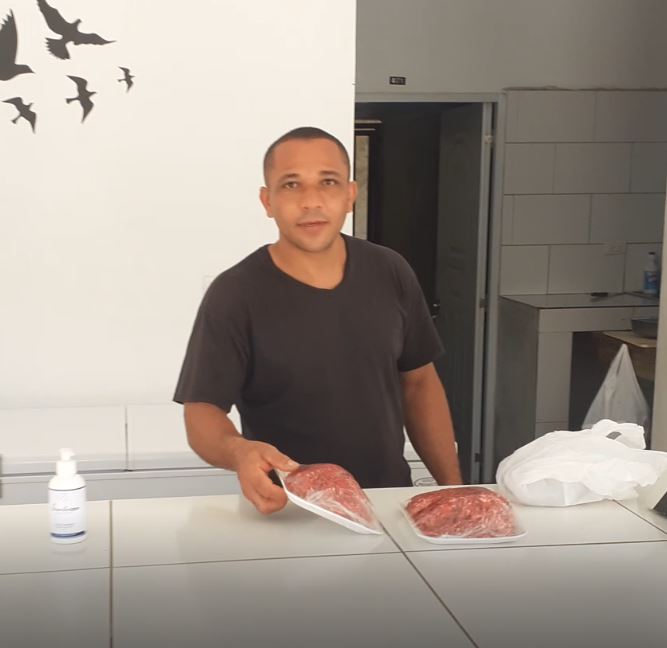
Carneceria David is located in Callejon de la Loma, Cabarete, diagonally across from the church “Assemblea Iglesia Christiana” and offers fresh quality meat. Always efficient and friendly service.
beef and pork in various forms
different sausages (German & Italian)
pork chops
ribs, ribeye steaks
minced meats
filet mignon
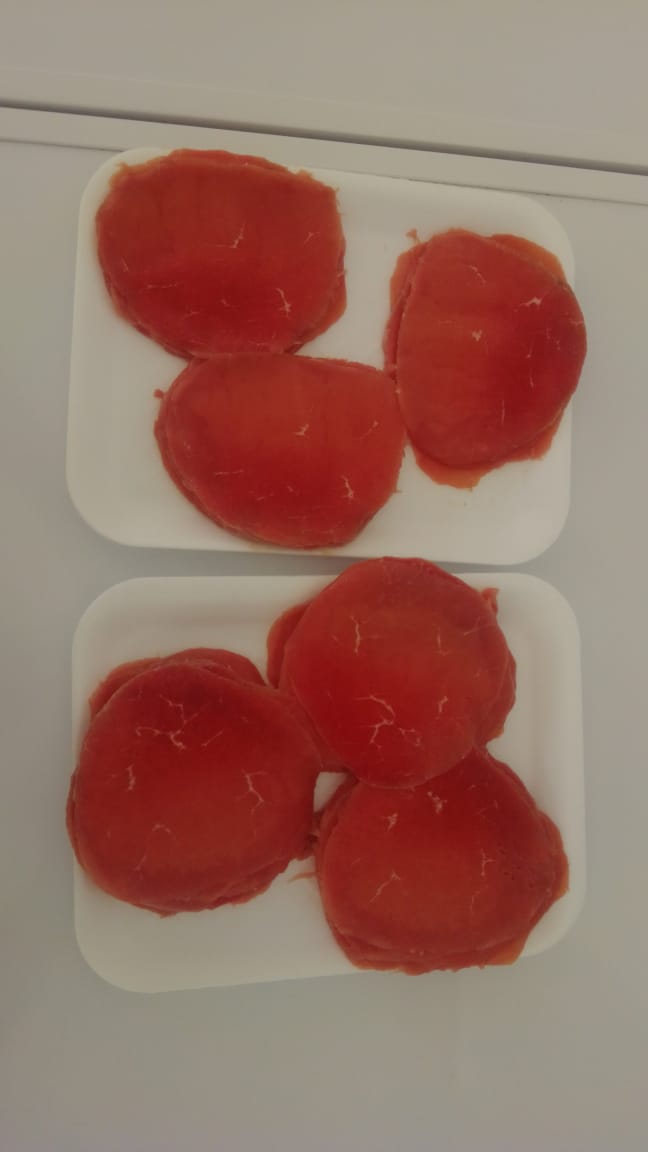
beef carpaccio
bacon and more…
Opening hours:
Monday – Saturday 7 AM – 3 PM
Sunday 7 AM – 10 AM
Address:
Callejon de la Loma, Cabarete
(going from Sosua turn right at the traffic lights near Ocean Dream Plaza)
across from the church Asamblea Iglesia Christiana
Tel: 829-633-1336 / 849-853-4560
The Chamber of Deputies approved the request by President Luis Abinader to extend the current National State of Emergency and the curfews for another 45 days. The new period will begin on Thursday, 3 September through 17 October 2020. It has already passed in the Senate.
The Presidency has said it will take advantage of the special procurement laws to push through a request for 400,000 Covid-19 tests. Tests in the DR for the first two weeks of the transition between governments have considerably declined. Health Minister Plutarco Arias announces the new government’s goal is to increase daily PCR tests to 7,000, up from under 3,000 at present. He announced a new shipment of 100,000 tests has arrived, a second 100,000-shipment is expected early this month.
President Luis Abinader announced in his inaugural speech the construction of the Autopista del Ambar. The new highway has been on the books for years because it would shorten the travel time between Santo Domingo and Puerto Plata by at least half an hour. It was previously referred to as Autovia del Atlántico.
President Abinader, himself a former president of the Sosua & Cabarete Tourism Association, says the highway would reduce travel time to two hours from the capital city. Travel distance from Santiago would be reduced to 25 minutes, the President announced in his inaugural speech.
The highway was a campaign promise to Puerto Plata. The former senator of Puerto Plata is now the administrative minister of the Presidency, Jose Ignacio Paliza. The 40 km new road would connect the Santiago Bypass (Km 18 Circunvalación Norte) with La Gran Parada near Montellano in Puerto Plata on the north coast, some five km east of the Playa Dorada hotel complex.
The highway would be one of the first to be completed under the new Public-Private Alliances Law, passed last month by Congress.
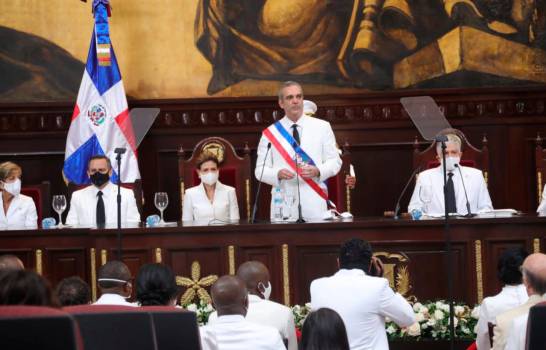
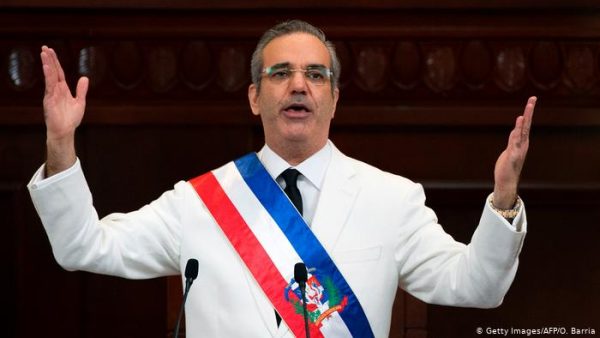
“We are betting on the talent and future of our young people to achieve progress and development,” President Luis Abinader said in his inaugural speech on 16 August 2020. He highlighted knowledge is essential to development. “The Dominican Republic needs a better education system,” he stressed.
The previous Medina administration was the first to dedicate 4% of the Gross Domestic Product to the education sector in 2012. Abinader in his speech criticized the enormous amount of resources that did not result in better math and reading comprehension skills. He said the resources were more about transacting “business deals” than educating the people. He mentioned that international standardized tests list Dominican students at the bottom and were not an improvement in the skills and competencies of Dominican students despite the larger budget available.
“The Dominican educational model is broken,” Abinader declared. He said it does not contribute to the development of the nation. He promised the new government will seek to make widespread changes so that students graduate with the social skills to be better citizens and have better jobs or create their own businesses.
He says his new minister of Education, Roberto Fulcar, would be presenting the national plan next week. The past authorities had said the school would resume on 24 August in-person and online.
The Abinader government has already announced it is going strictly with virtual education for the rest of the year. Abinader declared public school children would receive a laptop or notebook for their distance learning. He said the government is working with telecom companies to ensure connectivity.
He announced his government is backing the state university, the UASD. Abinader’s family fortune is in part tied to the operation of the Universidad O&M, a low-cost private university that directly competed with the state university.
The Pan American Health Organization (PAHO) recommends a one or two weeks lockdown in Greater Santo Domingo and Santiago to slow the spread of the Covid-19 virus. He said the timing is right with the start of the new government.
Dr. Marcos Espinal, chief of the Department of Communicable Diseases and Health Analysis at the WHO’s regional office for the Western Hemisphere, the Pan American Health Organization (PAHO), was interviewed by Listín Diario editor Miguel Franjul and journalist Doris Pantaleón for their program “Cita con el Covid.”
Dr. Espinal pointed to the high positivity rate of the disease in the Dominican Republic, at over 30%. The positivity rate has never been under 20%, when it should be 10% or less.
He stated that no country has real data on the incidence of Covid.
Vice President Raquel Peña said on Monday that the Health Cabinet will announce the plan to deal with the virus on Wednesday, 19 August 2020.