There are currently 350 public electricity recharging points for the 11,305 four- and two-wheeled electric vehicles in circulation in the Dominican Republic, the Superintendence of Electricity reports. The country already has a law on incentives for the import of non-conventional energy vehicles in force since July 2013.
The Superintendence of Electricity (SIE) now has issued two resolutions on the recharging of vehicles that use electricity. One establishes the norms for the installation of electric recharging stations and the second is related to the rates for this service.
The regulations are in line with the implementation of the National Strategic Plan for Electric Mobility by the National Institute of Transit and Transportation (Intrant) with support from the Inter-American Development Bank (IDB).
Electricity distribution companies and electric vehicle recharging stations now have 90 days to adjust to the new provisions.
The Superintendence of Electricity points out that the organization of the electric mobility segment is an important step for the Dominican Republic to meet the goal of reducing current greenhouse gas emissions to 25% by 2030 since 46% of CO2 emissions are produced by transportation, which consumes 40% of the country’s hydrocarbon demand.
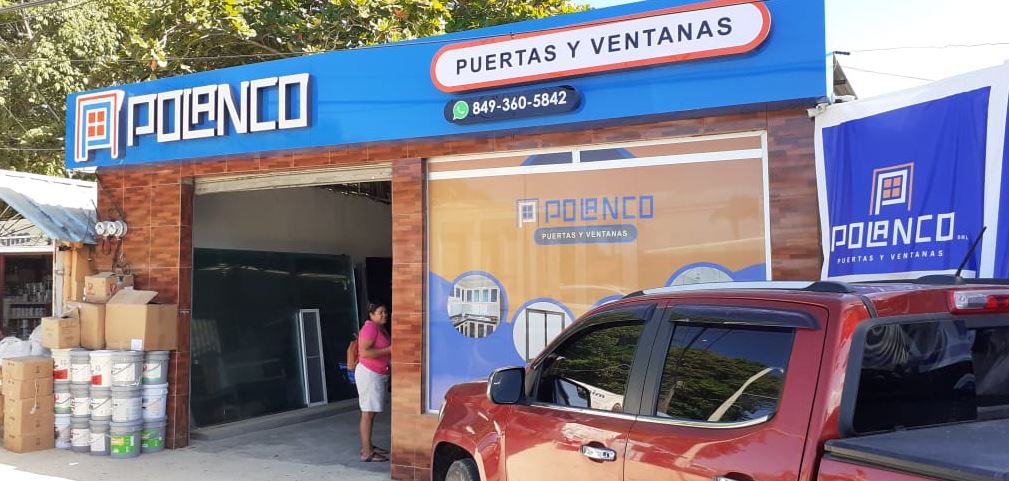
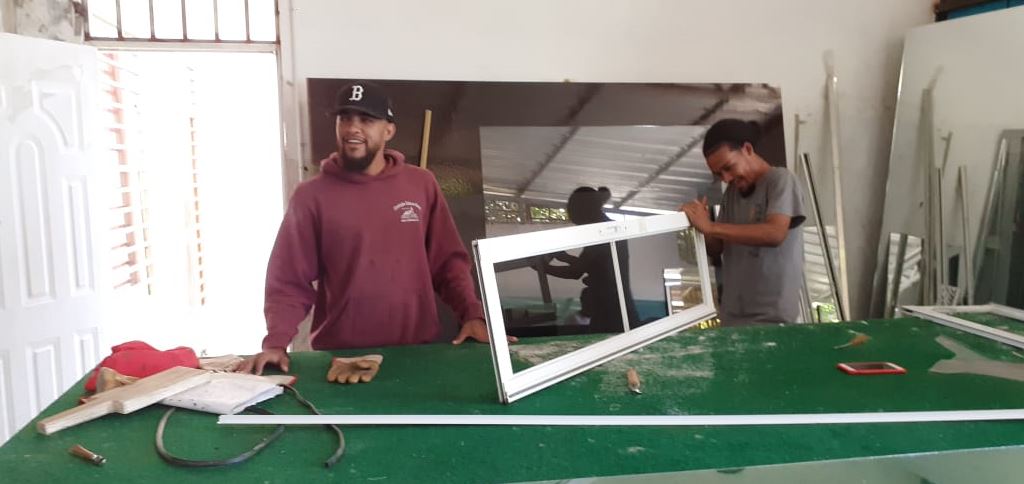
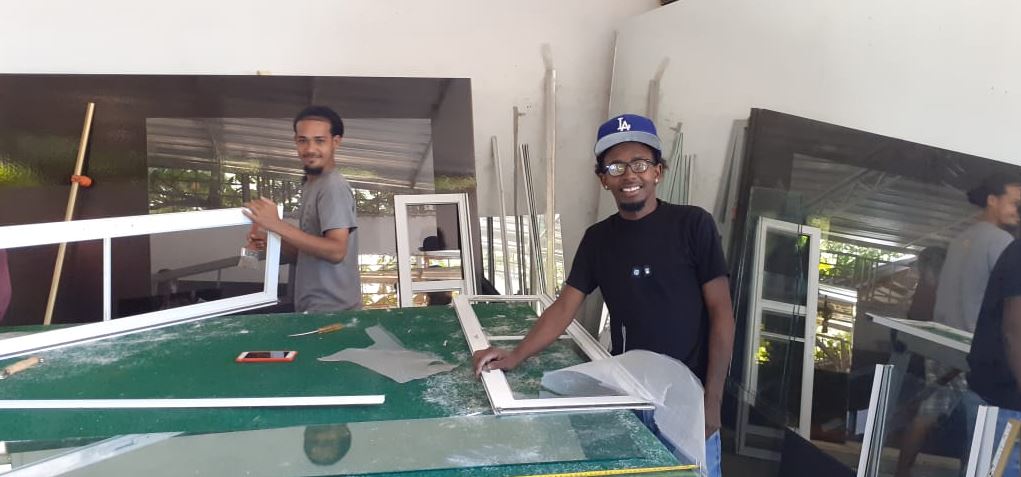
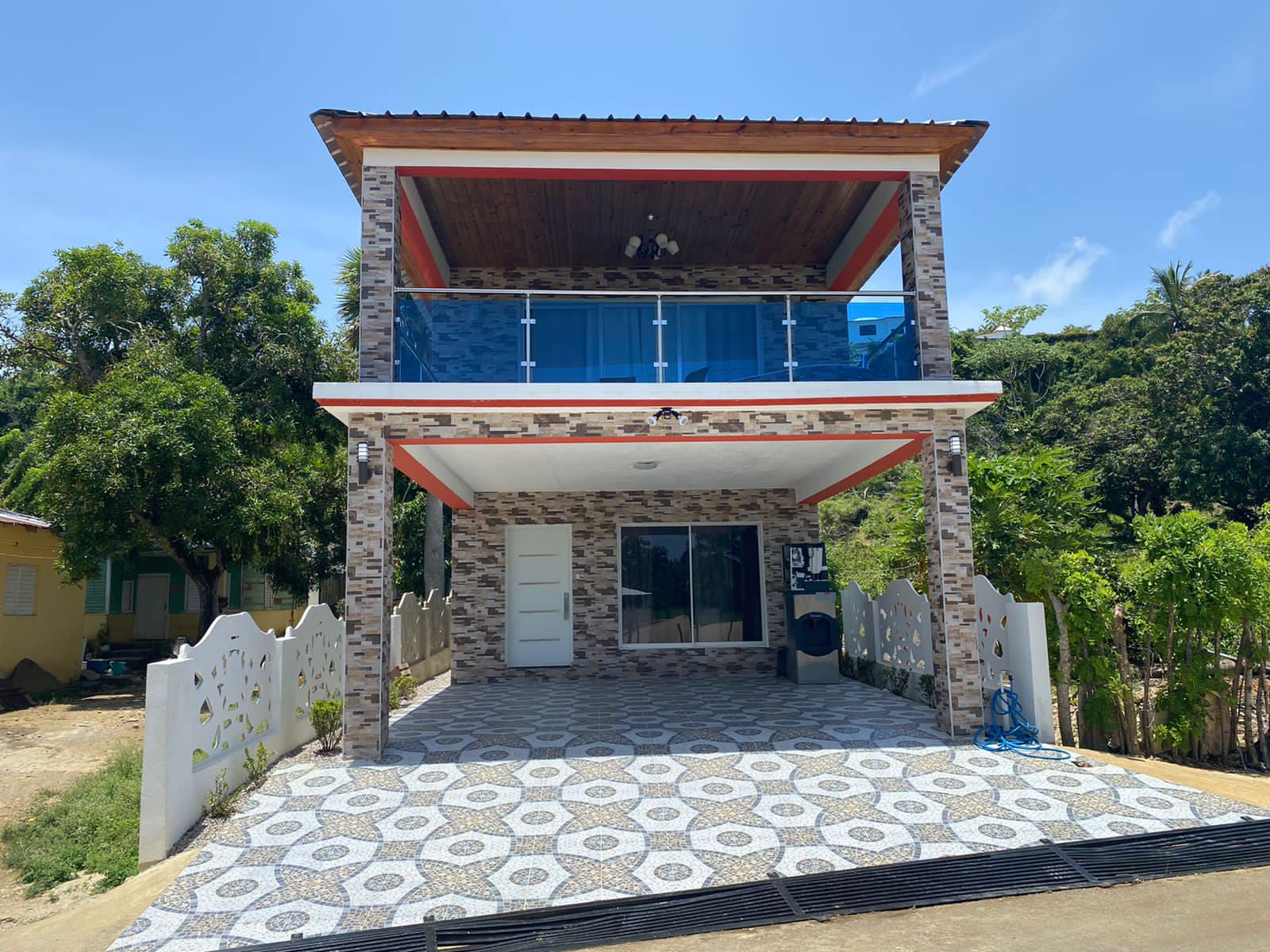
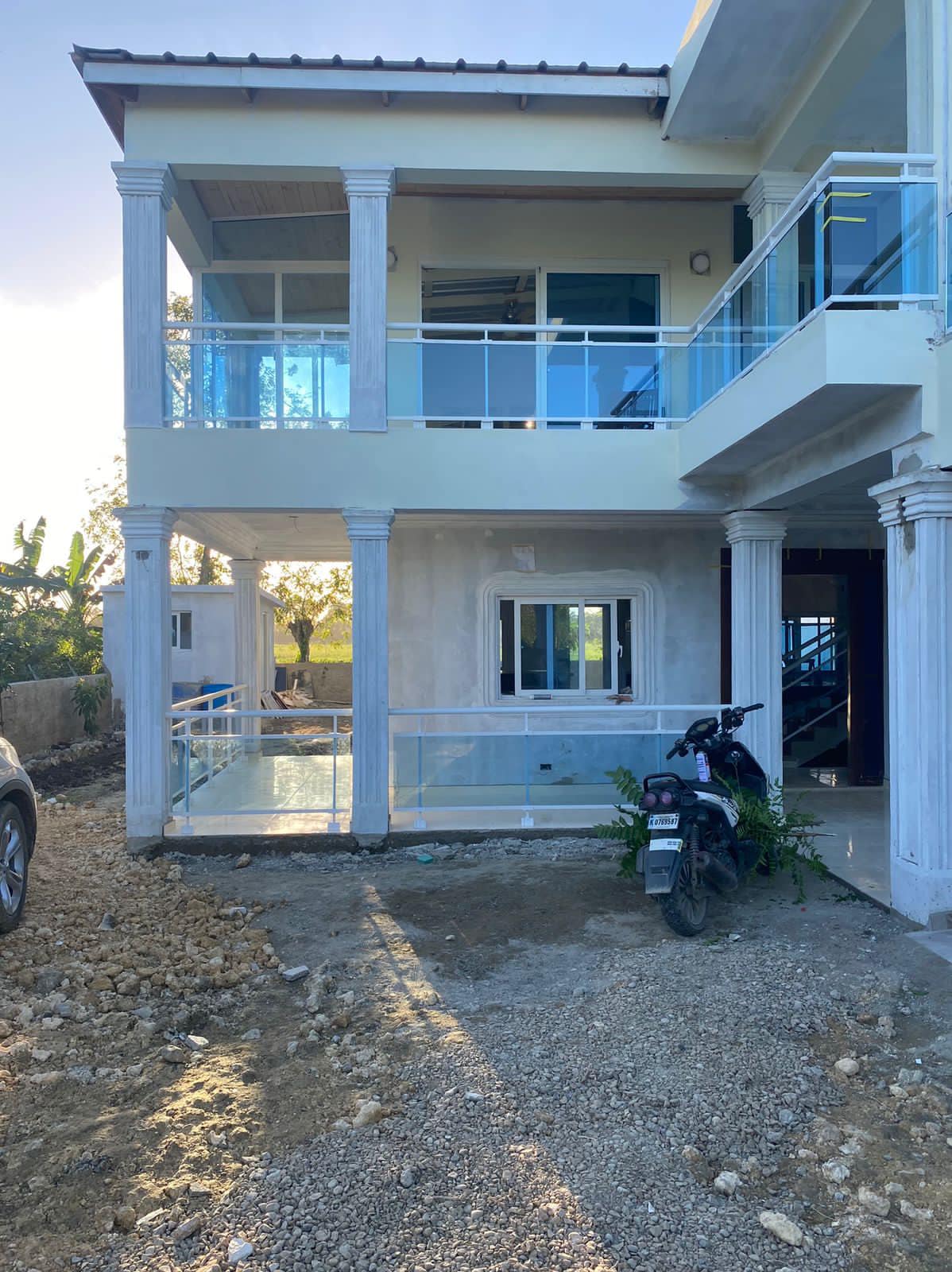
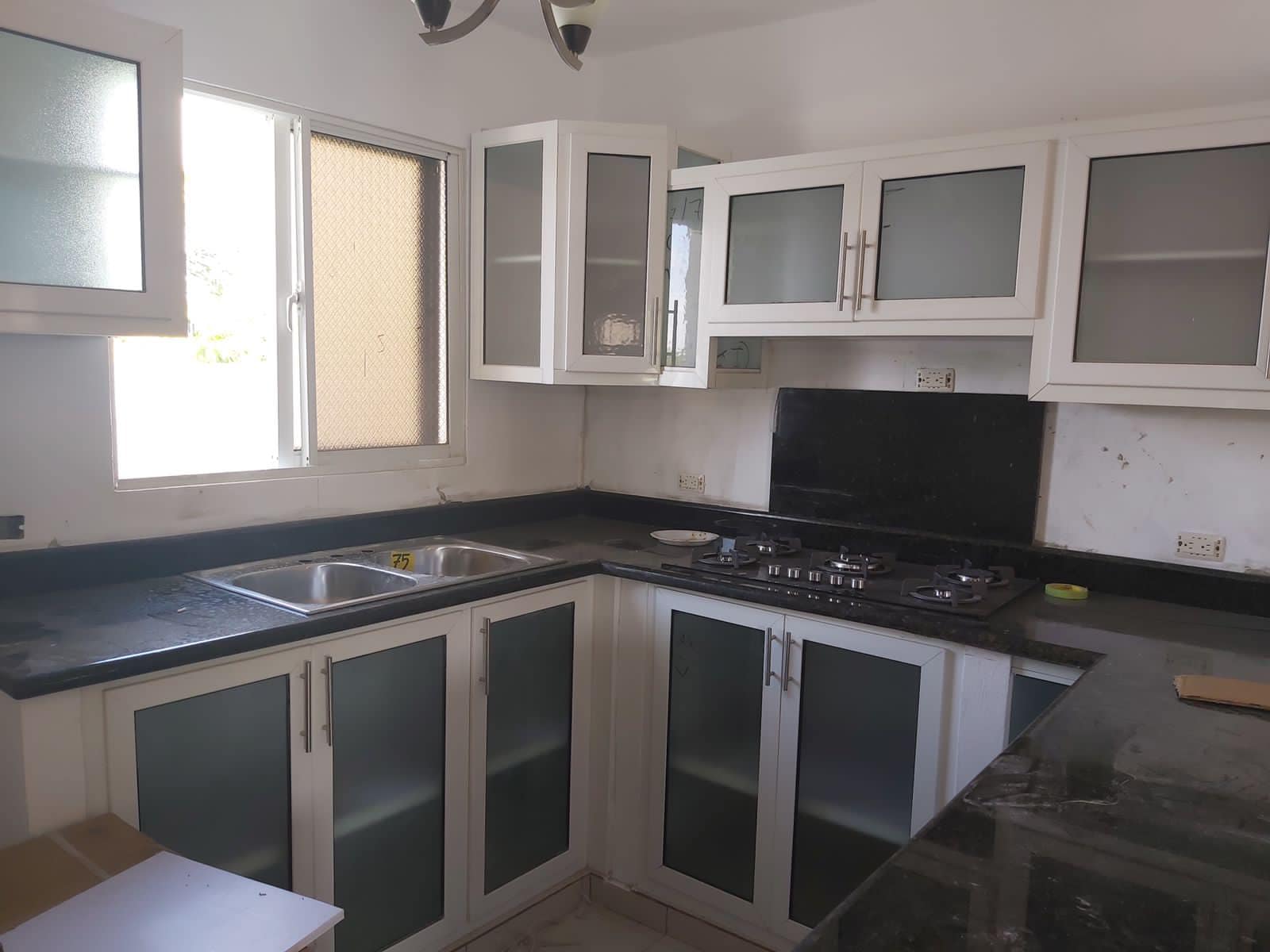
Polanco Puertas y Ventanas is a window & door manufacturer, that has been in business for over 20 years. They create quality products and supply excellent installation.
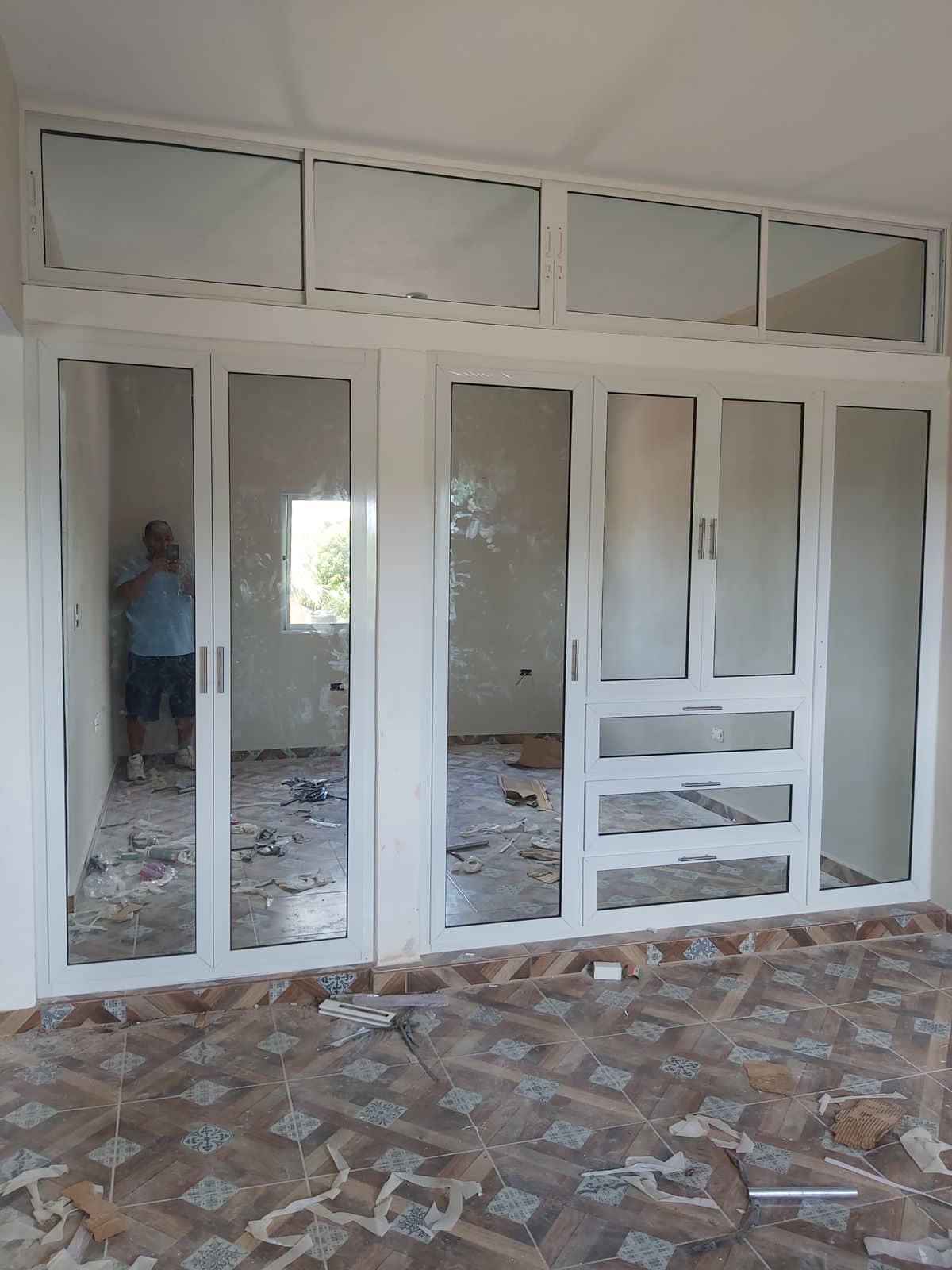
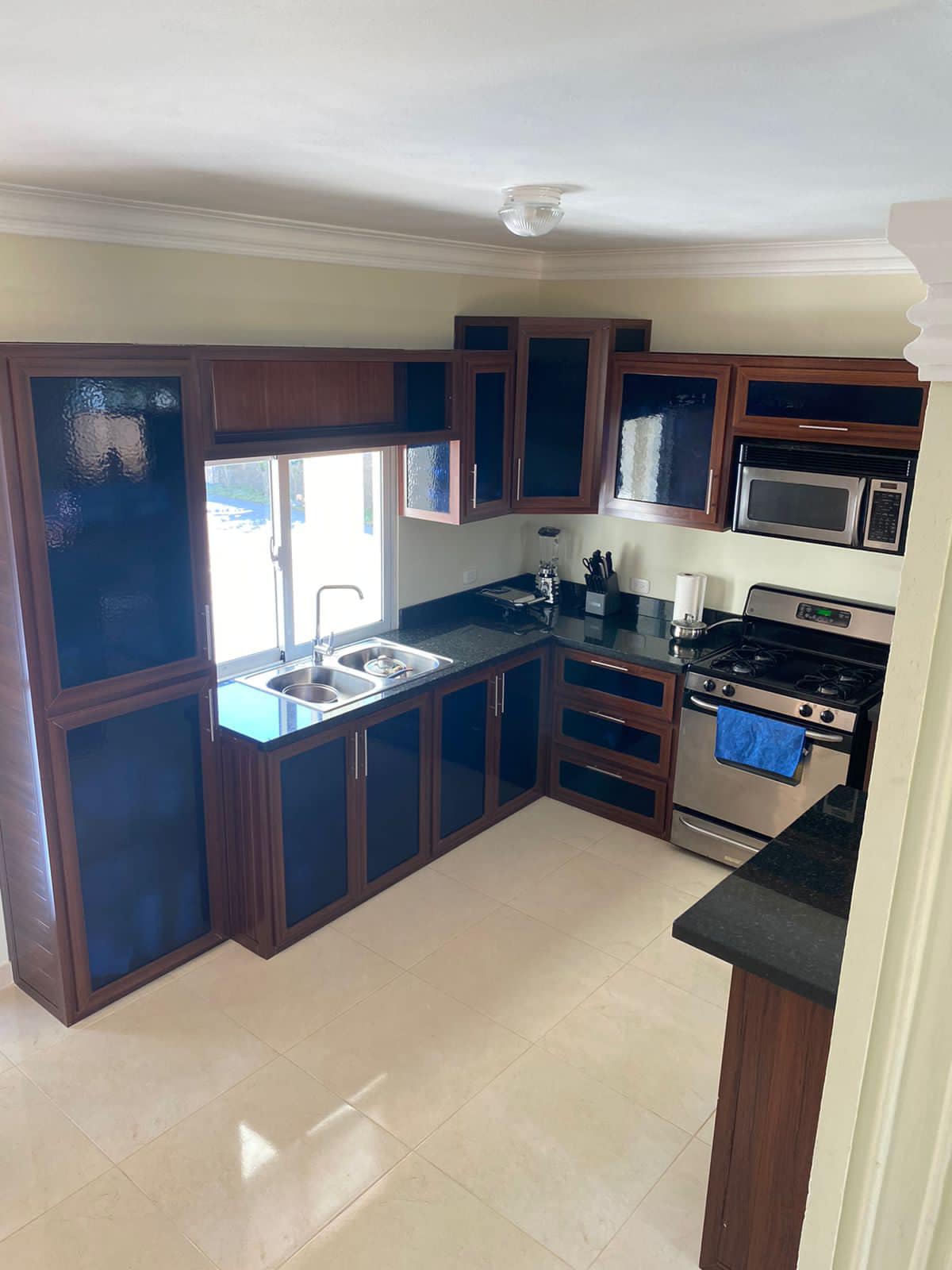
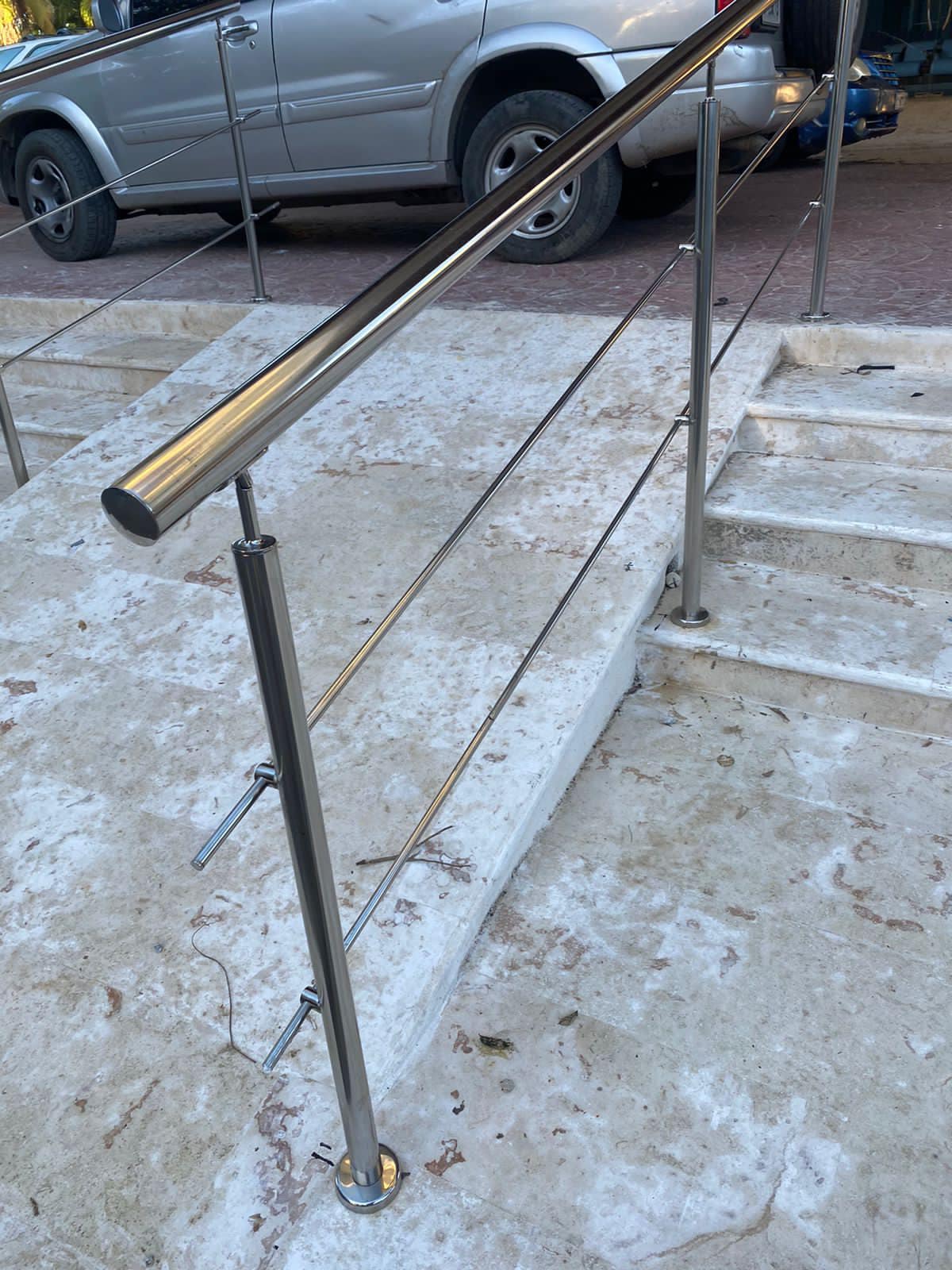
The company manufactures all types of custom-built aluminium windows and doors (European and traditional Dominican), mosquito screens, stainless steel railings with glass for staircases, security glass, tempered glass for bathroom cabins, kitchen cabinets, signs, and more…
Fabricamos todo tipos de ventanas europeas y tradicionales. Guillotinas, closet, mamparas, todo tipo de gabinete para Cósina, pasamanos en acero inoxidable y aluminio y mucho más visítanos estamos ubicados en Sosua frente al Pola
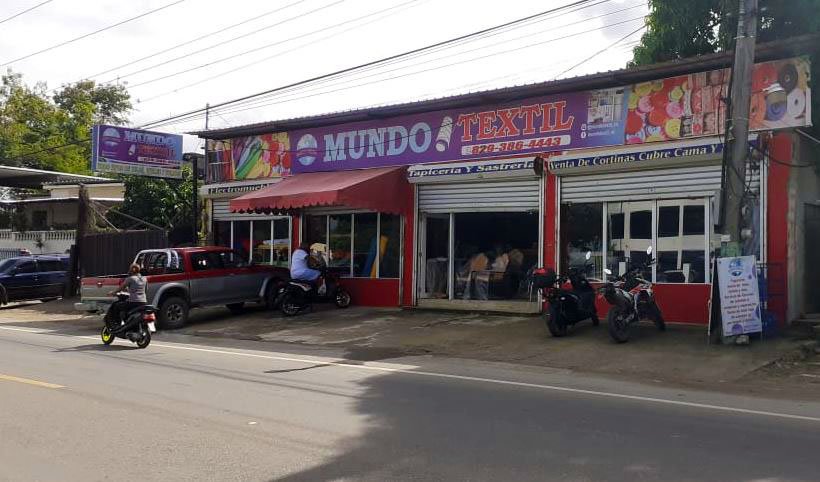
Mundo Textil has been in operation for over 2 years located in Sosua.
Furniture Manufacture & Repair
Upholstery
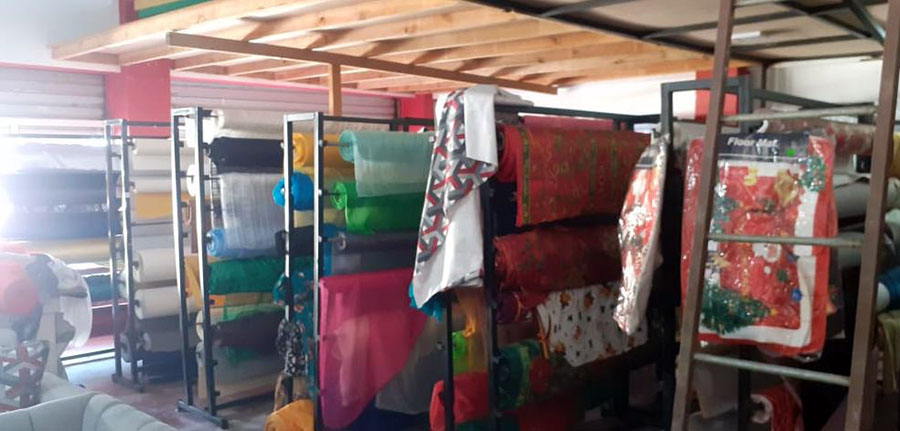
All Types of Fabrics
Sale of Mattresses, Awnings, Umbrellas, Textile
Repairs of Mattresses
Mattress & Furniture Cleaning & Disinfection Service
Todos los tipos de telas, ventas de colchon al por mayor y detalle y reparacion, viniles y toldos, tapiceria, servicio de limpieza profunda y desinfeccion y mas…
Opening hours:
Mon – Fri 8 am – 6 pm
Sat 9 am – 4 pm
Contact details:
Carretera Principal Sosua,
past Puerto Chiquito area
next to Caribe Tours Parqueo
Office: 809-571-4924 WA: 829-386-4443
Facebook\Instagram: @mundotextil_rd
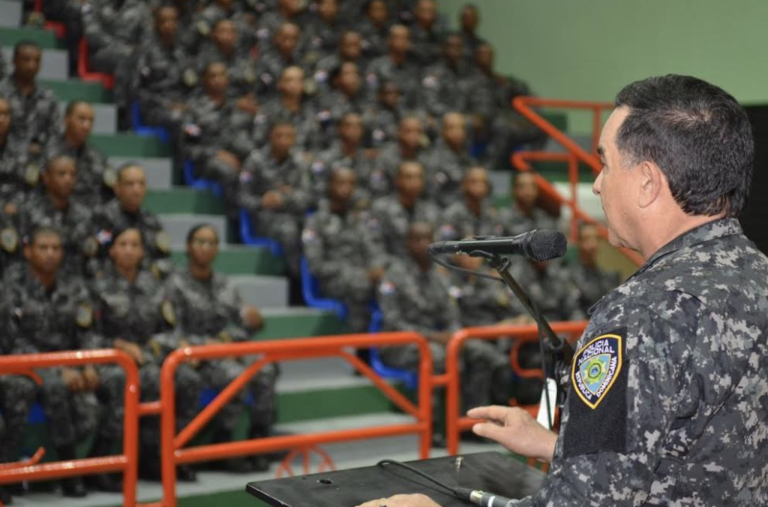
President Luis Abinader ordered an increase to the minimum wage received by a police agent in the Dominican Republic. The wage will now be RD$20,443. This compares to the minimum wage of RD$10,500 paid to police agents at the change of government, in August 2020.
The minimum wage will be increased to RD$25,000, with the additional funds allotted in the 2023 National Budget.
Police agents have also been receiving several perks, including free university education plans, free transport on the Metro, improved medical insurance, and housing plans.
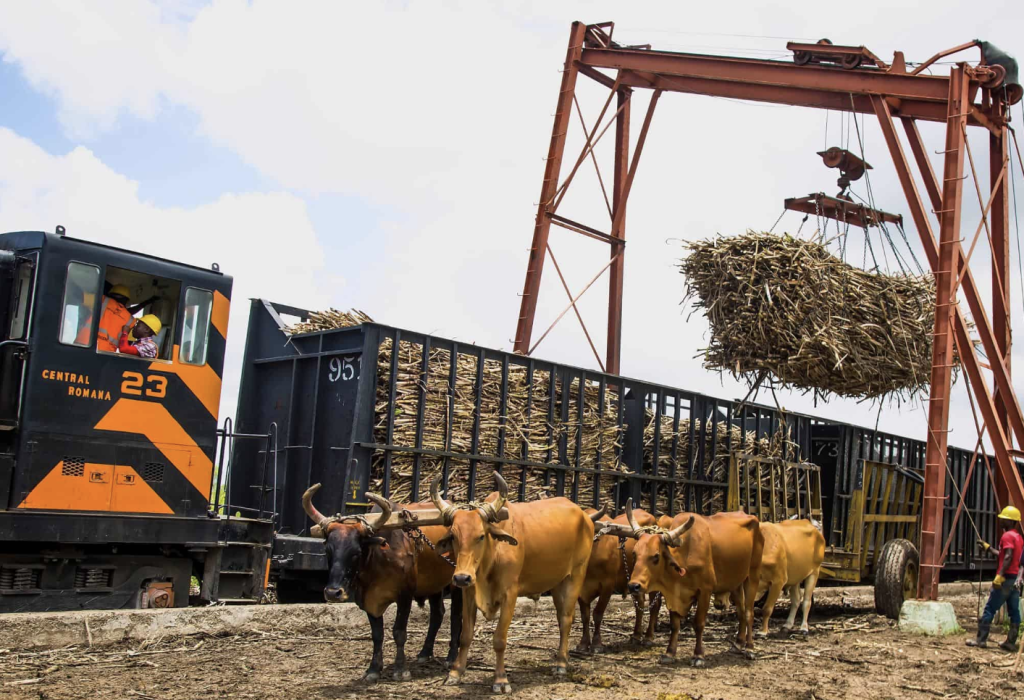
The most impactful news of the past week and over the weekend was the announcement by the United States government that sugar from the American-owned La Romana Sugar Corporation would no longer be accepted in any US port. The note alleged labor issues as the key point. Local reaction was swift, to say the least.
Agriculture Minister Limber Cruz said that there was no evidence of any sort of abuse against workers as alleged in the original note, and he stressed the importance of the US market for domestic sugar. While admitting that “years ago” there were certainly some poor labor practices, these have long since been overcome.
The Central Romana itself was quick to react to the note issued by the Customs and Border Protection agency and published a point-by-point denial at the end of the week. Briefly, the accusations of “forced labor” were dismissed out of hand, as were the ideas of retained salaries, abusive working conditions, and too many working hours.
Referring to the accusation of abuse of worker vulnerability, La Romana noted that workers who are not familiar with Spanish are interviewed and hired by personnel who are fluent in Haitian Creole and French since the vast majority of these workers are from Haiti.
Regarding the question of workers being isolated from urban areas, it was noted that none of the areas that house sugarcane field workers are very far from the urban areas, and services for most needs are provided locally as well.
Salaries are certainly nowhere below average, and, in fact, are one of the biggest incentives to work at La Romana. Pay is made on a weekly basis, and bonuses and other incentives are paid on time and in full.
Other issues such as hours of work, living conditions, and benefits were noted point-by-point, and the company said that anyone can check on these statements.
Diario Libre interviewed workers at Central Romana who rejected the statements that lead to the ban on exports.
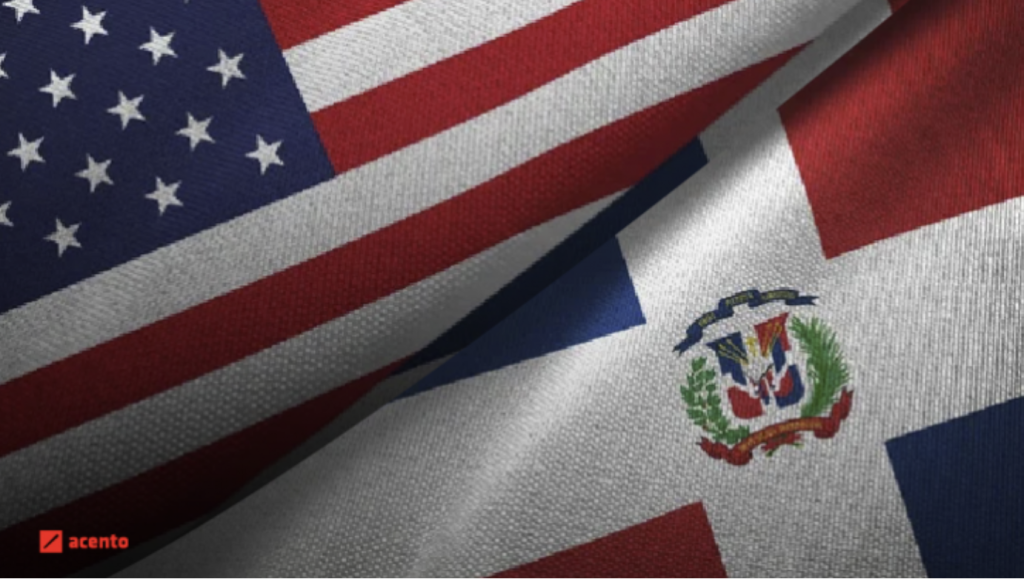
The Acento newsgroup has indicated that there are at least five issues that are causing problems between the United Nations, the United States, and the Dominican Republic. The elephant in the room is, of course, Haiti. The neighboring country is currently undergoing a chaotic period where law enforcement and public safety are mere words on paper. Massive and illegal immigration across a nearly open frontier is one instance that causes huge costs to the Dominican government.
President Luis Abinader has stated on both national and international podiums that the Dominican Republic is not the solution to the Haitian crisis.
Combined with the issue of deportations, contraband, and crime, the issues surrounding Haiti are certainly quite prominent. Making matters worse, most Haitians in Haiti are undocumented, creating a major security issue for the Dominican Republic.
Recently, the United States Embassy sent a note to the Dominican Republic questioning an alleged series of questioning for tourists of color from the United States. The embassy says some tourists were bothered by additional questioning by immigration agents. The Ministry of Foreign Relations rejected the accusations saying they were merely anecdotal.
Later on last week, the CNN news network reported massive deportation of unaccompanied minors, and this was also denied quite forcefully.
The Dominican Republic has rejected the construction of a refugee camp on Dominican territory, and Foreign Minister Roberto Alvarez noted that it was for this reason that the Dominican government did not sign the Los Angeles Agreement at the Summit of the Americas.
Then there was the most recent move by the United States, whereby the sugar from the La Romana sugar mill is no longer to be allowed into the US, due to alleged labor issues. La Romana sugar mill is known to be the sugar company to offer the best conditions to its workers of the three major operations in the country.
Finally, as a result of the move against the La Romana Corporation, the monthly luncheon held by the American Chamber of Commerce (Amcham) was boycotted by the Dominican business community with a poor showing of government and business people, leaving the Amcham president Roberto Herrera struggling to find excuses, as the keynote speaker from the US Embassy watched a near-empty room.
José Monegro, executive editor of El Dia, on Twitter, shares his chronology of events leading up to the Central Romana embargo on sugar exports to the United States.
The sequence:
The United States raises the UN support for military intervention in Haiti.
It is proposed to look for a third country to receive Haitian refugees so that they do not go to the United States.
Proposes to the DR to host refugee camps.
The DR refuses to consider installing refugee camps.
US Embassy issues a travel advisory warning the DR mistreats American citizens of color by confusing them with Haitians.
Unicef claims that hundreds of unaccompanied children have been deported.
The United States says workers are mistreated in sugar mills and bans sugar imports from Central Romana.
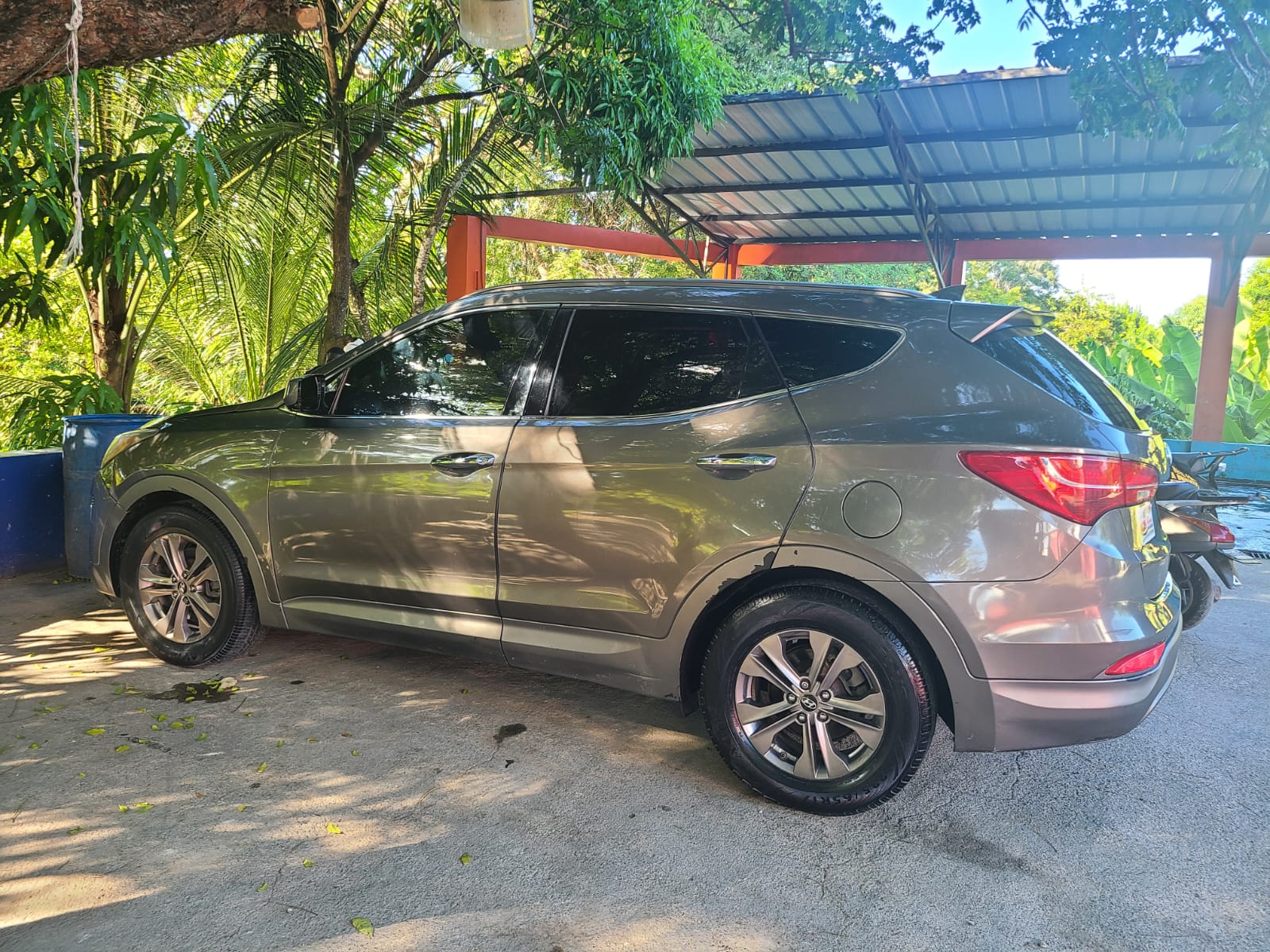
Gringo Car Rentals is an American-owned company that offers a fleet of 15 cars/SUVs/jeepetas, such as Ford Escape, Hyundai Santa Fe, Kia Sorento, Tahoe, and more, all vehicles are 2011 or newer.
Run on gasoline
Automatic gearbox
Some cars are 4WD
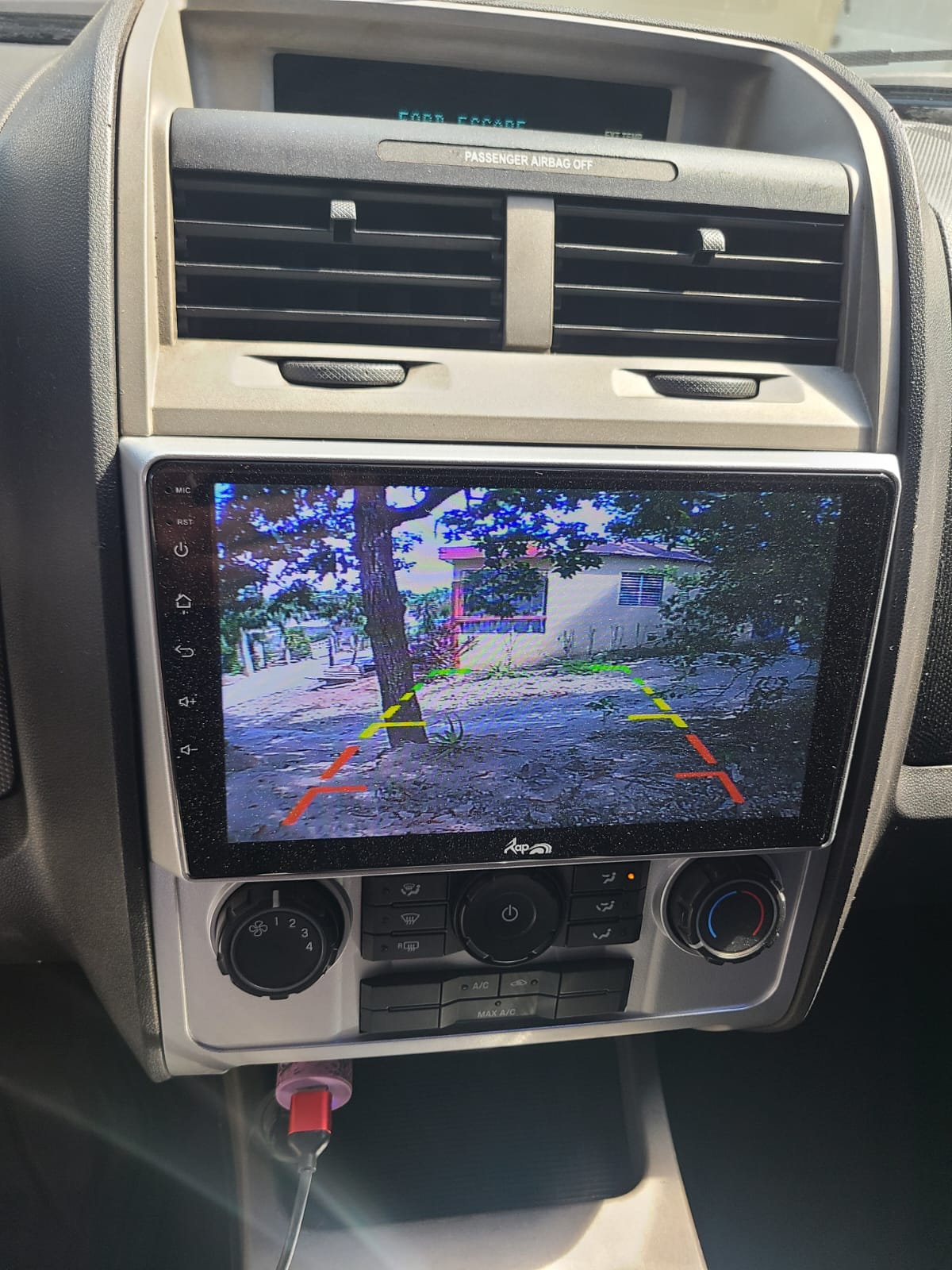
Camera for reversing
Fully tinted windows
Bluetooth
WiFi box (optional)
The interior is a combination of textile and leather
3rd party insurance is included (full insurance optional)
3 days is the minimum rental
Free delivery/return to the Puerto Plata airport
Prices: Please inquire.
Contact details:
7 days a week between 7 am – 10 pm (DR time)
The office is in Cangrejo (between Sosua and Puerto Plata)
Sabaneta de Cangrejo, Casa Principal 2
WhatsApp: 1 829-983-1538 or 1 714-865-8708 (ask for Robert)
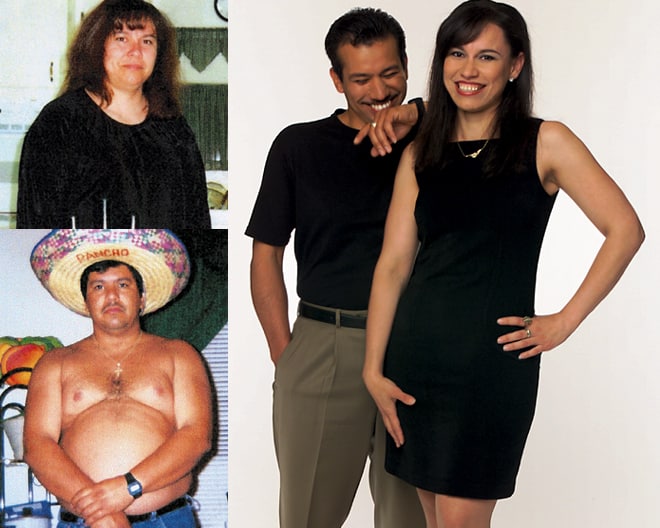
Cabarete Nutrition Club is a new establishment created to help you live a healthy and energetic life, located on the main street of Cabarete, across from Millenium Resort.
Tired of being overweight and having no energy? It takes 21 Days to form a habit… Are you Ready? “It’s not a Diet, It’s a Lifestyle Change”.
Sign up for your individual program!
What you will get is:
• customized meal plan
• one on one coaching
• daily home workouts
• weekly in-person workout
• grocery list
• recipes
• 24/7 online support chat
• prizes
• supplements
Online & Face-to-face consultation.
Contact details:
Whatsapp: 1 647-770-9726
Carr. Principal, Cabarete
next to Supermercado La Rosa
across from the Millenium resort
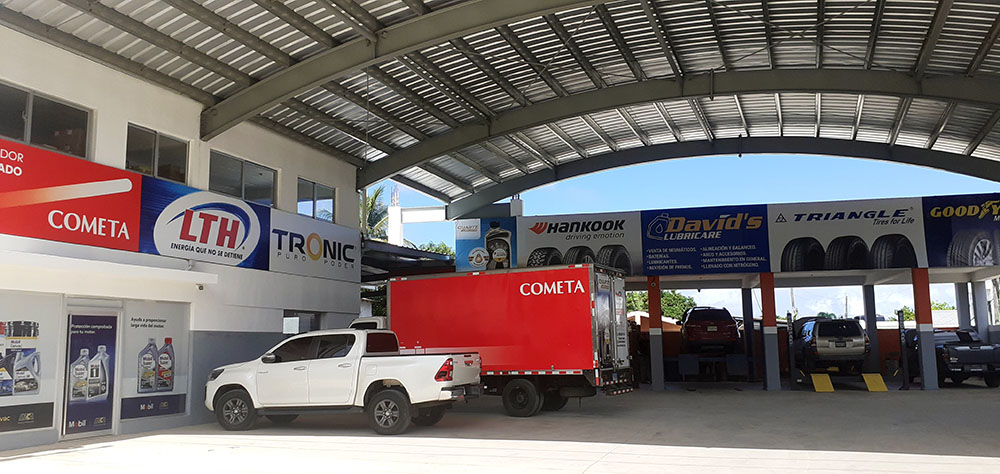
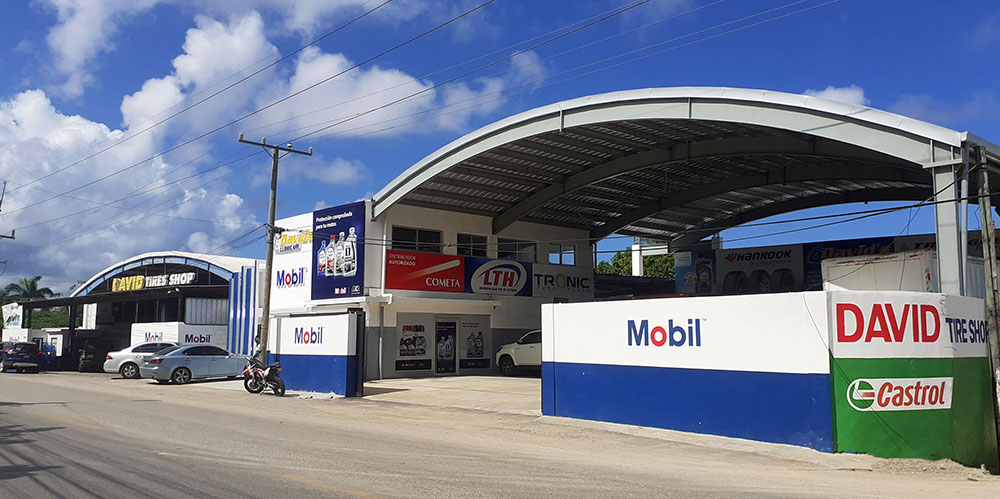
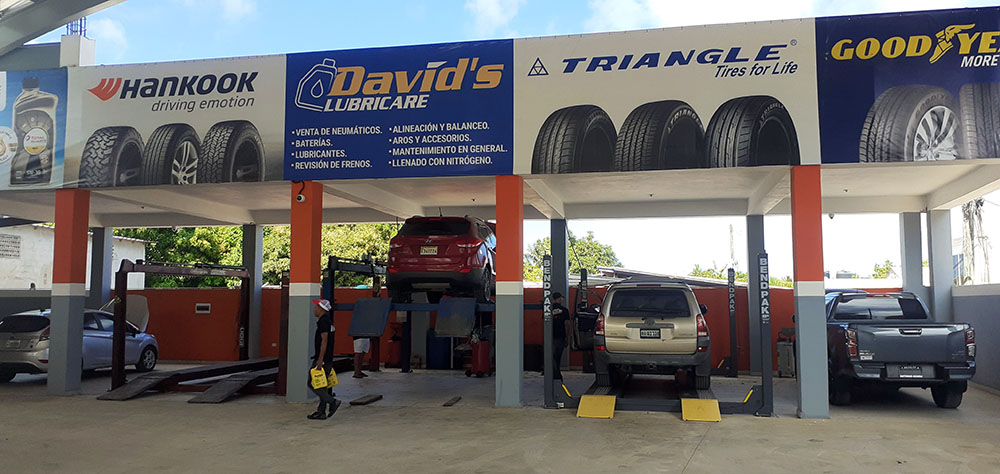
David’s Tire Shop is a long-established business with car specialists in Sosua offering tire and express oil change services to customers. The center is located on the Sosua – Cabarete highway, km 2, next to Sosua Ocean Village.
Sales of new and used tires
Wheel alignment and balancing
Service and sale of complete oil
Computerized diagnosis and programming of sensors
Brake service
Change of shock absorbers
Sale of automotive batteries
Nitrogen for tires
Front-end repairs and much more…
Open every day 8 am – 6 pm
Saturday 8 am – 3 pm
Sunday closed
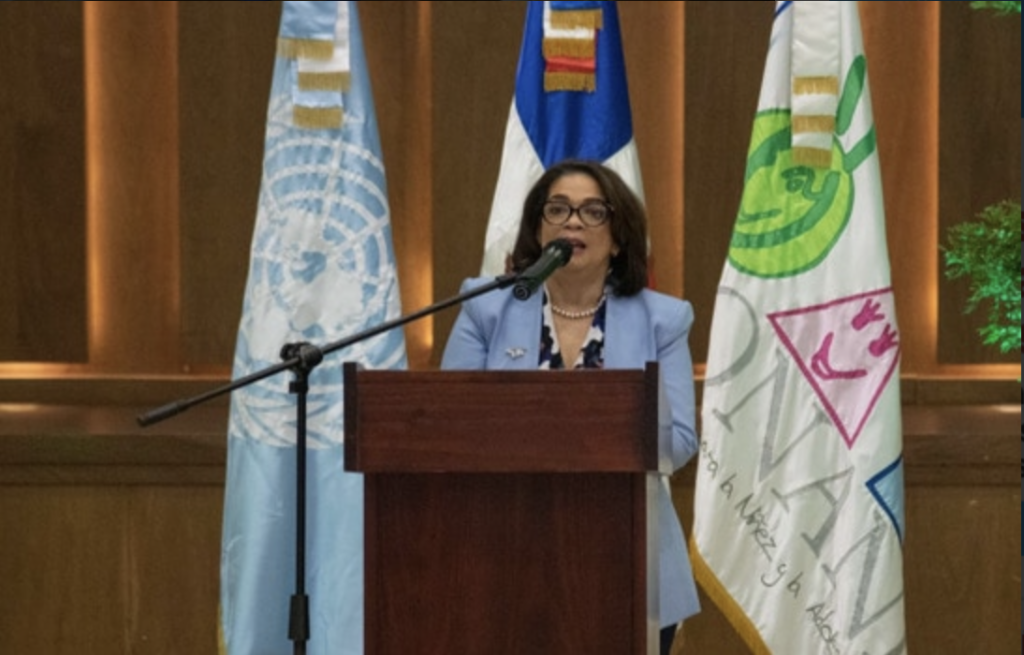
The executive director of the National Council for Children and Adolescents (Conani), Alexandra Santelices is telling about efforts to get all babies registered when they are born in public hospitals. The Dominican civil registration gives parents a month to register their children. If they do so afterward, the process is tedious and this results in many parents not registering the child, causing numerous problems for parents and children in the future.
Santelices said a new effort for the timely registration of births is implemented in 30 hospitals and work is being done to increase that number to 45, as reported in Diario Libre on 25 October 2022.
She said the program began with 21 public hospitals offering birth registration and has increased to 30. The goal is to reach 45 public hospitals. She said that at each of the hospitals, a staff person is assigned to encourage the parents to register the baby before leaving the hospital.
“The new approach is preventive,” she explained. “We do nothing by creating all the mechanisms if we do not work so that boys and girls who are born have their birth registration in a timely manner,” she stressed.
She made the announcement after participating in a meeting of the timely birth registration committee with the president of the Cabinet of Children and Adolescents and First Lady of the Republic, Raquel Arbaje; the president of Conani, Luisa Ogando; and the special representative of the Secretary General of the United Nations on Violence against Children, Najat Maalla M’Jid.
In June 2022, the Cabinet of Childhood and Adolescence and Conani presented a new inter-institutional plan for timely and late birth registration that is implemented by ten public entities, in cooperation with the United Nations Development Fund (Unicef).
The presentation was made in an event headed by First Lady Arbaje, in her capacity as president of the Cabinet; the Central Electoral Board (JCE), the Ministry of Public Health, Strategic and Special Projects (Propeep), National Health Service (SNS), National Institute of Integral Attention to Early Childhood (Inaipi), Judicial Power, Attorney General’s Office, Supérate and the Ministry of Education (Minerd).