New World Bank report calls for urgent action to tackle marine pollution
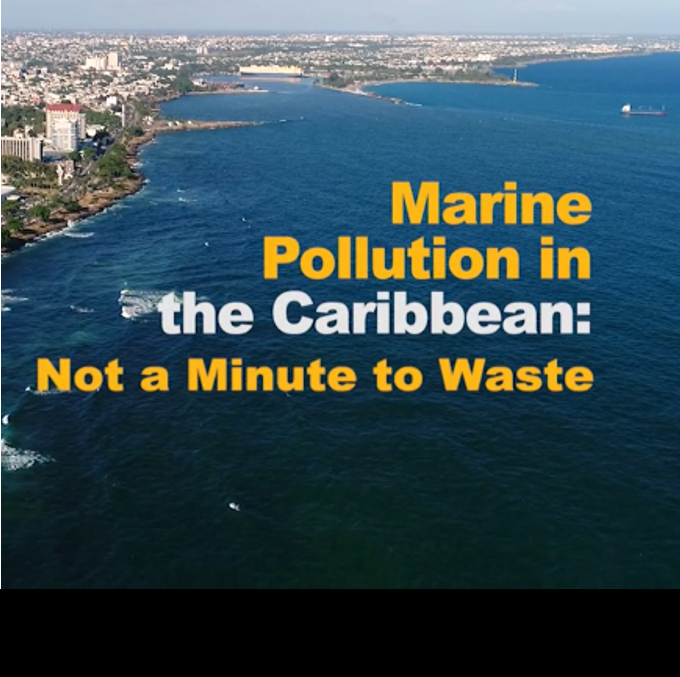
The Dominican Republic needs to step up efforts to reverse marine degradation, restore damaged ecosystems and protect the area’s marine resources. A recent report by the World Bank says that so far 14 other Caribbean countries have already acted to ban single-use plastic bags and/or Styrofoam.
The report, “Marine Pollution in the Caribbean: Not a Minute to Waste,” calls for governments to ratify international conventions, such as the Cartagena Convention. The report examines how marine pollution in the Caribbean is a threat to the region’s resilience to climate change and highlights that marine resources are a vital source of food, livelihoods and jobs to millions of people dependent on tourism, fisheries and the ocean economy.
Tahseen Sayed, World Bank country director for the Caribbean stresses: “Effective management of plastics, solid waste, and wastewater are our top priorities to create a blue legacy for future generations”.
The report lays out an action plan to reverse this threat and transition towards a more sustainable “Blue Economy” that can generate growth and build resilience while preserving ocean resources.
The report highlights that marine pollution including plastics, sewage, agriculture runoff, oil and chemicals, poses a severe threat, particularly to tourism that accounts for 15% of the region’s GDP and to fisheries which provide income and food security to impoverished communities in the area. Thousands of plastic shards can often be found in Caribbean waters, representing nearly 80% of the total litter.
According to the report, more than 320,000 tons of plastic waste remains uncollected each year in the Caribbean. Coral reef degradation is also strongly linked to marine pollution and represents an estimated annual revenue loss of between US$350 million and US$870 million.
Source: DR1, youvisit
June 3, 2019
Category: DR News |