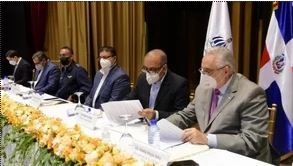
The Ministry of Public Health and the Dominican Baseball League (Lidom) signed off to the health protocol to celebrate the 2020-2021 Winter Baseball Championship. Follow the tournament from 15 November 2020 on TV and online. No fans will be allowed in the stadiums.
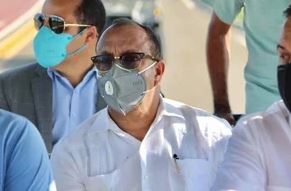
Health Minister Plutarco Arias said that about 75 weekly tests per team will be carried out to keep tabs on any disease spread.
There will also be frequent inspections, disinfections, and permanent monitoring of each team’s clubhouses to protect the players and minimize the possibility of the spread of the virus. If a player gets sick, the tests will make it possible to isolate the person and treat the disease promptly to reduce complications. Players will be tested once a week.
Arias said that the Dominican people need recreation. He remarked that the usual friends’ gatherings, meetings with family are not happening. People are not even meeting for funerals. He said this has a psychological effect on people. “We, as Public Health, must respond and what better response than through sport,” he said. He added: “Baseball will be part of the cure.”
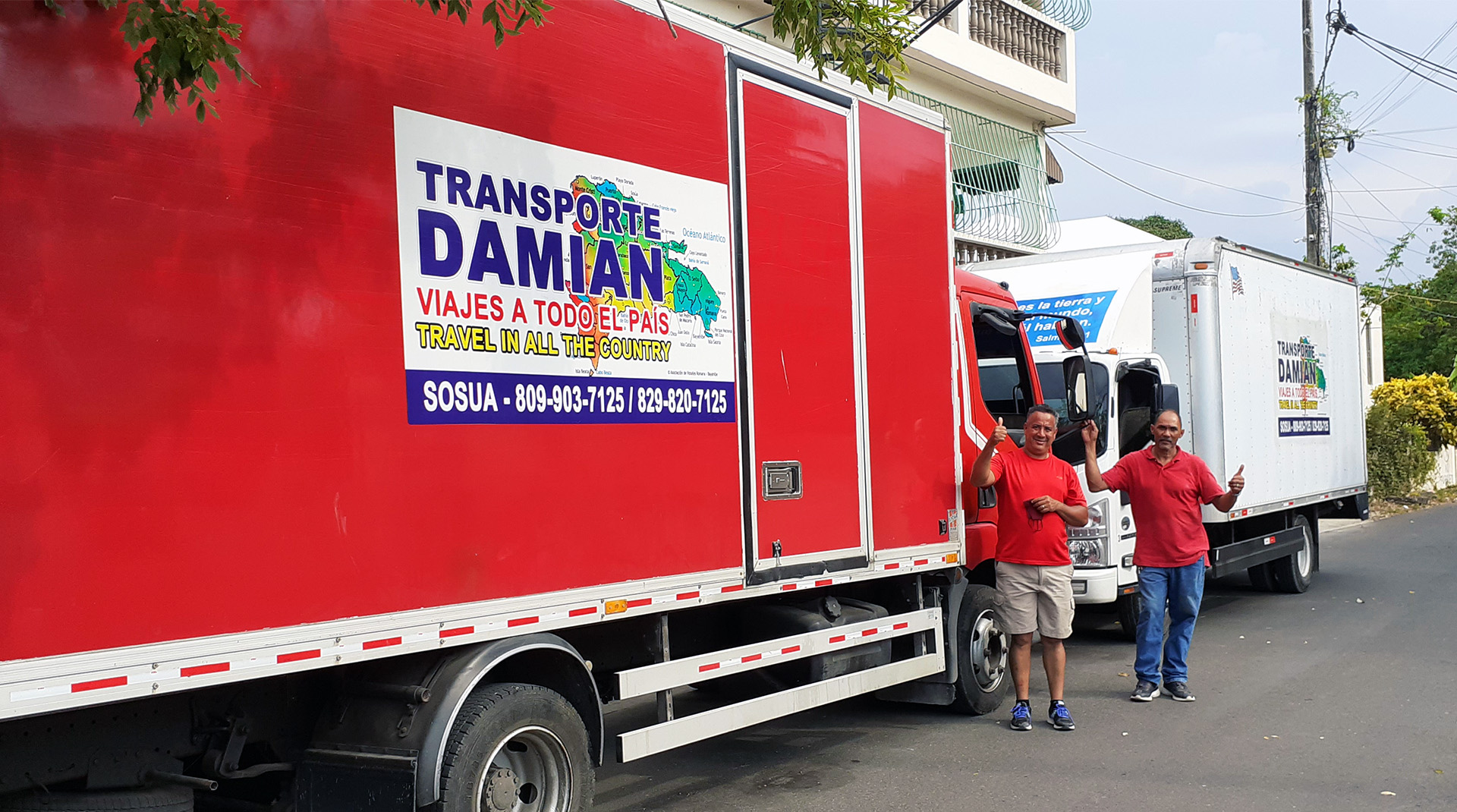
Transporte Damian “Viajes a Todo el Pais” is a well established family-owned-and-operated logistics/moving company based out in Sosua. They transport various goods across the whole country – the Dominican Republic.
Organizamos su mudanza, mudanzas nacionales y locales, República Dominicana, la logística y la preparación, dentro de la geografía nacional a una tarifa muy competitiva
José Jaquez, Deputy Administrative Minister revealed that the hard disks with information on the Sunday “surprise visits” of President Medina were erased. The Administrative Ministry denounced that the information on about 2,500 projects initiated during the community visits of President Danilo Medina was erased with the computers’ formatting
Jáquez said an investigation is ongoing “to determine how around US$50 billion was used for the projects.
“It is not possible that more than 51 thousand million pesos are spent and that the basic information has been re-formatted,” he said. He added: “Thank God and luckily for the country, we found a USB memory stick with part of the information and as a result, we are investigating,” he explained.
The official says among the irregularities detected, is the opening of an internal account that operated as petty cash with RD$400 million pesos destined for one of the surprise visit projects. He said that this aspect is in the process of being audited.
He also pointed out that the Presidency program involved around 49 government entities where there were violations involving over RD$64 billion.
The “surprise visits” program involved President Danilo Medina using Sundays to visit with small communities and offer government assistance to associated businesses.
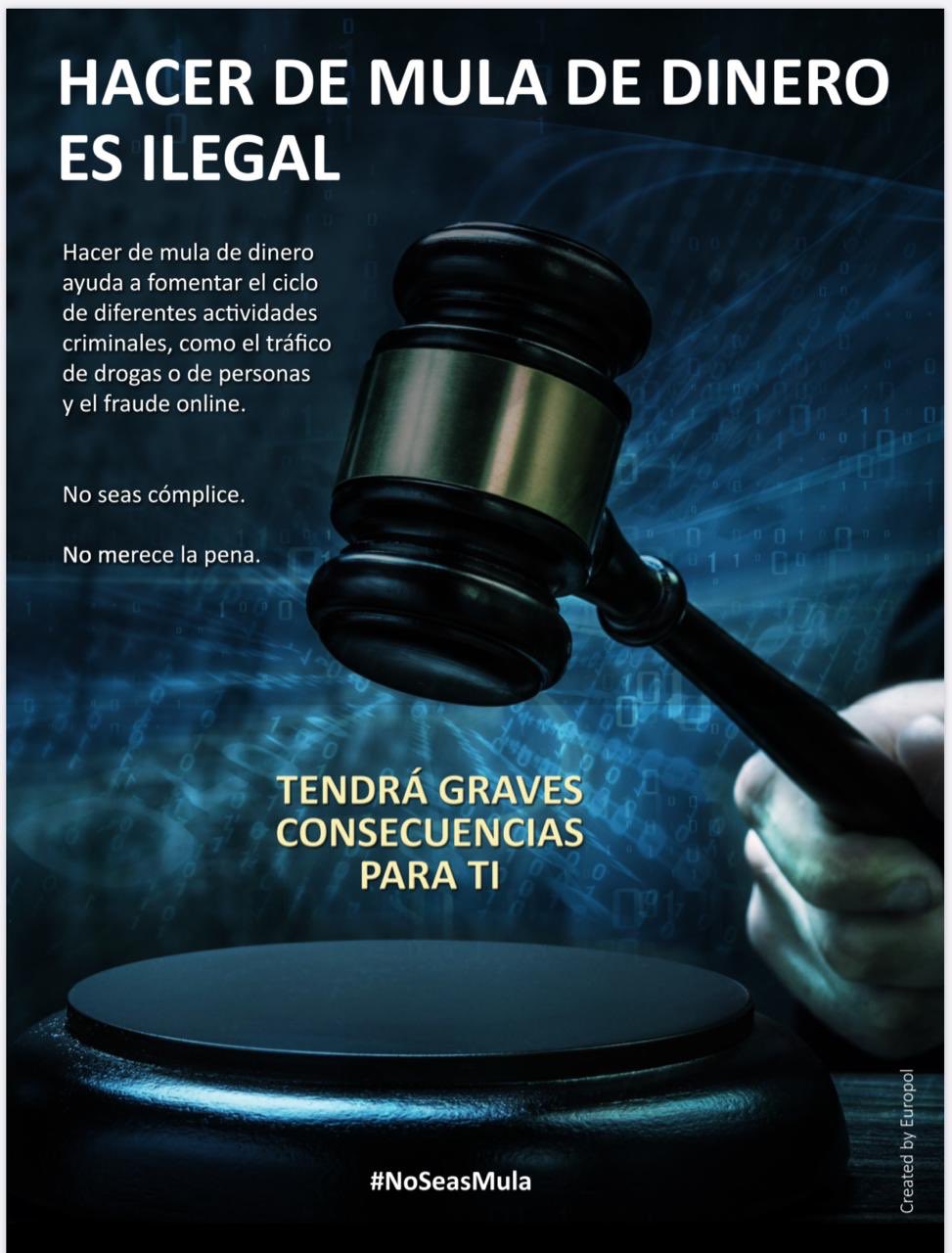
PUERTO PLATA.- The Puerto Plata Prosecutor’s Office asked the population to be very alert to a new criminal modality that criminals carry out to use citizens as “Money Mules”.
Offering details in this regard, Magistrate Warlyn Alberto Tavárez, explained that citizens should exercise caution when they are contacted to go and find someone else’s money in banks and shipping agencies.
He specified that someone who receives or transfers money of unknown origin received in his account in exchange for a commission becomes a “Money Mule” which is illegal and helps criminal organizations to launder money and easily transfer it to criminals.
He said that criminals recruit their victims in different ways, whether by pretending to be real job offers, with the slogans “Work from home” by pretending to be a money transfer agent, but in reality, what is being done is transferring the illicit money to bands of antisocials.
Tavárez warned that the people most wanted by criminal organizations are citizens who have recently arrived in the country, the unemployed, students, people with economic problems, mainly men between 18 and 34 years old, and women of any age.
“In our legislation, being a“ Money Mule ”is punished as complicity in the crime that gives rise to obtaining the money. So be careful with going to get someone money from the bank, Caribe Express and Western Union. Do not fall on hooks! ”, Said the representative of the Public Ministry.
Latin American regional penal expert Roberto Santana says it will take the Abinader administration around three years to move inmates at old model jails to new model jails. He says there are 22 new model jails in the country, but another 18 jails still operate in the traditional jail model. These include the infamous La Victoria, Azua, and El Seibo jails.
The good news is that the new government is working on this. Santana himself has been named honorary advisor to supervise the process. Santana was the creator of the new penitentiary model. His local success led him to be hired abroad to install similar systems in other Latin American countries.
In an interview last night on Esta Noche con Mariasela, Santana explained that specialized trained staff makes the difference between the two jail systems. The staff has been shown not to fail prey to corruption and thus cell phone use is not a problem in the new model. In the traditional model, corruption among police and military custody makes it possible for inmates to keep their cell phones and all sorts of weapons.
The Abinader administration accelerated the reform process after it was known that the high-profile murder of Ruddy Quezada, a man who had wrongfully served 24 years in jail in the US and won a US$14 million settlement, was orchestrated from the La Victoria Jail. Likewise, the action was taken after investigative journalist Nuria Piera aired videos carried out by journalist Eiron Lopez showing details of the mafias operating inside La Victoria. La Victoria is the largest jail in the Dominican Republic. It was built for 2,000 inmates and houses around 8,000.
The past authorities built a modern version of the large jail (La Nueva Victoria) with the capacity to house 8,000 inmates. But Santana says the design is contrary to all norms for modern jails. The Nueva Victoria jail is being broken down into eight separate jails with capacity each for 1,000 inmates. While inaugurated by then President Danilo Medina and then-Attorney General Jean Alain Rodríguez before leaving government, the jail does not have potable water, electricity service, and trained staff. Santana says it will be another six months before the first groups of inmates can be transferred to La Nueva Victoria jails.
Meanwhile, Attorney General Miriam Germán ordered the removal of all staff at the old La Victoria Jail. The new staff told inmates they would need to hand in their arsenal of weapons. Videos that circulated over the weekend showing what the inmates had on them are impressive.
The call for inmates to turn in all cell phones and weapons resulted in a display of knives and sharp instruments of every shape and size, as well as hundreds and hundreds of cell phones, together with bottles of “home-brewed” potions.
The new General Director of the Prisons Agency, Roberto Hernandez Basilio, told reporters that this voluntary surrendering of weapons and cell phones was a sign that the inmates were willing to cooperate with the program of prison reform.
He went on to say that if you were to visit the jail today, you would find a clean place, with no refuse and no dirty waters. The entire facility has been sanitized with the help of the local town government.
A standby generator was added to ensure sufficient lighting. There were new pots and pans in the kitchen, new stoves, too. The mobile units of the government’s Economic Kitchens are serving more than 10,000 meals a day, which is 7,500 more than before. The Prison director said that the food consumed at the La Victoria now comes from the same suppliers that deliver the food to the New Model Penitentiary units around the country.
The director of the National Police also changed all of the personnel that had been working at the prison. Hernandez Basilio said that there will be some incentives for the police that serve at the prison to improve their quality of life.
In the middle of last week units of the Armed Forces and the National Police took total control of the prison, infamous for its internal violence and precarious living conditions. A series of controls were put into place for visitors, and the entire staff was replaced. As Hernandez Basilio told the reporters, the “idea is to have total and complete control over everything.”
These are the best times for adventure tourism. Experts say physical distancing reduces the risk of catching Covid-19. Domestic travel is the way to go, and now many National Parks are ready to receive your visit.
There are now 48 protected areas that can be visited Monday to Friday from 8 am to 4 pm and Saturdays and Sundays from 8 am to 3 pm.
The Ministry of the Environment announced this week it had added 11 protected areas to the open to the public list. Strict health protocols apply, nevertheless. Overnighting is not allowed in the new areas, and children under 14 years need to be accompanied by their parents. Permanent use of masks is mandatory, except when walking on medium or high difficulty trails. The physical distancing of 1.5 meters is required at all times.
The new areas open to the public are:
La Caleta National Underwater Park
Jose Armando Bermúdez National Park (Pico Duarte)
Sierra de Bahoruco National Park
Loma Quitaespuela Scientific Reserve
Pico Diego de Ocampo natural monument Salto de Jimenoa natural monument
Laguna Mallen wildlife refuge,
Río Higuamo wildlife refuge
Río Soco wildlife refuge,
Redonda wildlife refuge
Limón lagoon wildlife refuge
La Gran Laguna or Perucho wildlife refuge
In addition to the National Parks listed above, others that are open are Cotubanamá (National Park of the East), Jaragua, Monte Cristi Underwater Park, Los Haitíses, Enriquillo Lake and Cabritos Island, Ozama Wetlands, Valle Nuevo (no overnight stays), El Morro, Estero Balsa, Cabo Cabrón and Francisco Caamaño.
Also open to visitors are the marine mammal sanctuaries of Estero Hondo, Bancos de la Plata and Navidad (only Cayo Levantado and Cayo Farola) and the scientific reserve Ébano Verde.
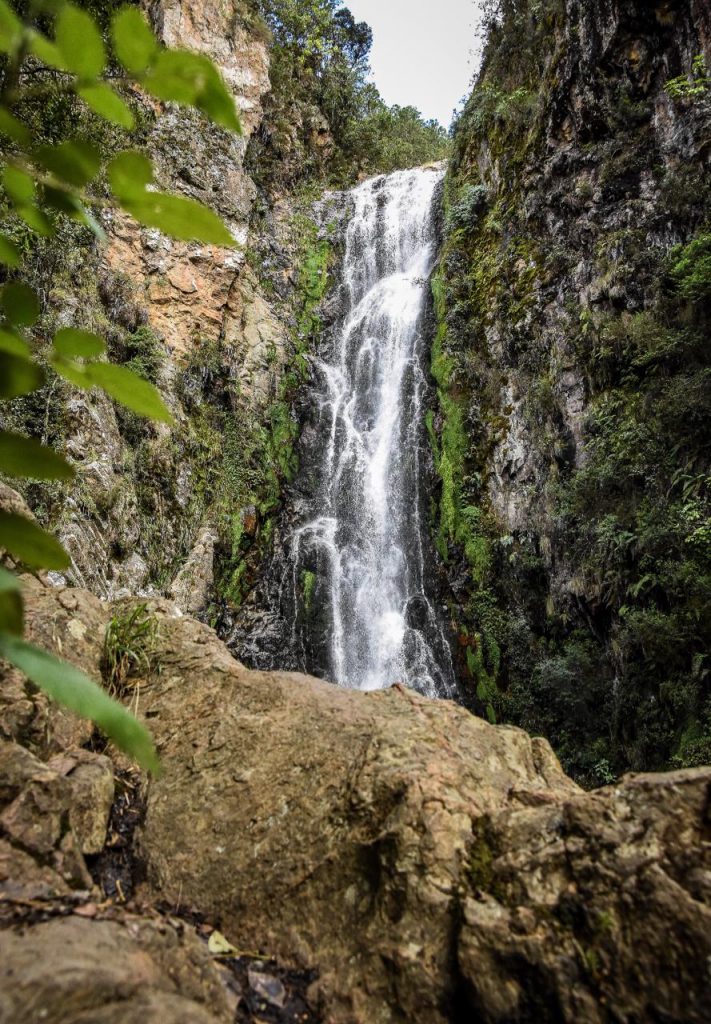
Also on the list are the natural monuments Cueva de los Tres Ojos, Cabo Francés Viejo, Loma Isabel de Torres, Las Dunas de las Calderas, Isla Catalina, Cabarete and Goleta Lagoons, Saltos de la Damajagua, Cuevas Las Maravillas, Salto del Limón and the Anthropological Reserve Cuevas de Borbón o del Pomier, Natural Monument Laguna Gri-Grí and Cabo Samaná.
Visits are also allowed to Gran Estero, Gran Parque de las Américas, the lagoons Aurelio, Don Gregorio, El Toro, Las Caobas, Las Malvinas, Manantiales del Cachón de la Rubia and Mirador del Oeste (Engombe).
Online classes were to begin on Monday, 21 September 2020. But the system didn’t work. The RD$234 million President Luis Abinader administration disbursed so the UASD could instate distance learning programs that were not enough. Instead, students had to connect for class instructions via WhatsApp and email. Teachers also took to Zoom and Google Meet to reach the students while the UASD works out the system glitches.
The rector of the UASD, Emma Polanco had announced that 13,400 online classes. 3,125 teachers had received training for the courses. The UASD reported 187,000 students had registered for the semester, including 17,000 new students.
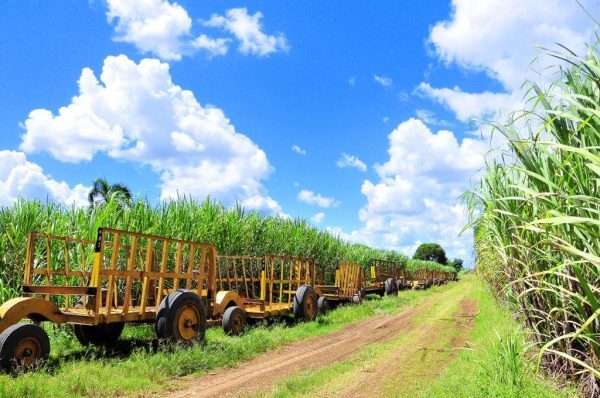
Despite the impact of Covid-19, Central Romana declared a record harvest for this year. Central Romana Company is paying its around 6,000 farm associates RD$2.3 billion for the 2019-2020 harvest, RD$300 million more than was paid last year.
The Central Romana mill processed more than 1,100,000 short tons of sugar cane. The company reported the harvest closed in July with a yield of more than 382,000 short tons of sugar. 3,258,000 short tons of cane was processed.
Central Romana also paid RD$953 million in bonuses to all its employees.