UNESCO: Bachata is declared Intangible Heritage
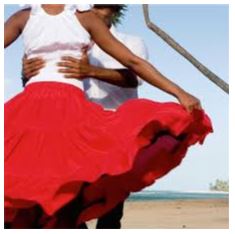
On Wednesday, 11 December 2019, the United Nations Educational, Scientific and Cultural Organization (UNESCO) announced that the danceable music known as the “bachata” is an Intangible Cultural Heritage of Humanity. Bachata is the second Dominican musical genre to be listed. Merengue was first in 2016.
Bachata emerged from the fusion of bolero with other Afro-Antillean rhythms such as Cuban son, chachachá and merengue. It has four tempos per beat. Usually one of the musicians is the lead singer. The couple’s dance is characterized by a sensual hip movement and simple eight-step structure.
For its performance, Bachata traditionally requires a small group of musicians, who use one or two guitars as lead instruments (electric guitars are used nowadays), and percussion composed of bongos, maracas and a guiro accompanied by a bass.
As a general rule, bachata lyrics express deep and visceral feelings of love, passion and nostalgia. The word ‘bachata’ is supposed to be of African origin and was not originally used to designate a specific musical genre, but rather a lively gathering or party, UNESCO said in a statement. The UNESCO says that Dominicans see bachata as a vernacular cultural expression that is always present in Dominican community celebrations or social gatherings.
Among its best-known representatives are Tommy Figueroa, one of its pioneers, as well as Leonardo Paniagua, Juan Luis Guerra, Romeo Santos, Prince Royce and Vicente García.
Dominican ambassador to the Unesco, Jose Antonio Rodríguez told Listin Diario that while the request to include the merengue took 12 years, the bid for the bachata was expedited in two years. The motion was approved with the favorable vote of 24 countries present for the meeting of the 14th Intergovernmental Committee for the Safeguarding of the Intangible Cultural Heritage in Bogotá, Colombia.
“The most beautiful thing about all this is that everyone participated, artists, cultural organizations of the country, the government, which was the one that presented the interest. I think that seldom so many efforts have come together to achieve an objective like this. It is usually but one sector. Still, here I can give you faith and testimony that everyone was involved, from the forerunners of the rhythm to those who now have the responsibility to maintain it,” Rodríguez said.
He highlighted that contemporary artist Vicente García had been one of the people who promoted most the recognition, accompanying him to the meeting in Bogotá, Colombia. Vicente García performed one of his bachatas for the list-deciding UNESCO members.
Source: DR1, Unesco
Dec 15, 2019
Category: DR News |