Archive for February, 2019

During the first nine months of 2018, there were 801 murders in the Dominican Republic, equal to 10.4 per 100,000 population. The figures were provided by the Observatory for Citizen Safety and published in Diario Libre newspaper. They reveal that the most crime in the first nine months of the year occurred in the Santo Domingo province with 73 murders, National District with 36, Santiago with 30, La Altagracia 22, La Vega 17, San Cristóbal 16, Duarte 12 and La Romana 11.
On the other hand, the lease crime was reported in the provinces of San José de Ocoa, where there was no murders and Santiago Rodríguez and Hermanas Mirabal, which each had one.
Across the region, the Dominican Republic was number 14 out of the 21 countries in the Americas for being the most violent.
According to the Insight Crime Foundation, the most violent country in the Americas is
Venezuela with 81.4 per each 100,000 inhabitants, followed by El Salvador with 51. The lowest index is Chile with 2.7 deaths per 100,000 inhabitants.
Source: DR1, Almomento
Feb 10, 2019

One cannot take comfort in the long-standing theory that small earthquakes serve as release of tension for the big one. A new study published on 3 January 2019 in Nature Communications and that focuses on the Himalayas, says that contrary to releasing seismic tensions in the crust, moderate earthquakes can trigger a destructive mega-earthquake, at 8.5 magnitude or higher. For years now, the Dominican Republic has been undergoing a swarm of small to moderate earthquakes. For years now, experts have forecast the DR should be prepared for a 8+ earthquake.
The most recent earthquake of moderate magnitude happened at 10:33 am on Monday, 4 February 2019 at 27.5 km SSE of Boca de Yuma, La Altagracia province, some 51.8 km SSW of Punta Cana. It occurred at a depth of 74 km according to the United States Geological Service (USGS). The Monday, 4 February 5.3 magnitude shake was felt widely in resort land. Punta Cana has over 50,000 lodging units located from Cap Cana to Uvero Alto to the north. With few exceptions, most are in low rises.
Prior to that earthquake, the biggest earthquakes to affect the country were those of 5.7 on 12 April 1993 in the Cibao area, and another on 6.5 that occurred ten years later, on 22 September 2003, affecting Santiago and primarily Puerto Plata, both in the same Cibao region. Its epicenter was 15 km from the city of Puerto Plata.
The media is reporting that the Monday, 4 February 2019 earthquake is a call to action and preparedness, and for actions to ensure better quality in public school construction. Photos of damages have just begun to come in. Reportedly several public schools have suffered cracks and were closed down while the authorities ascertain the situation. Reports are that in 16 public schools in La Altagracia and El Seibo were affected, including the Liceo Gerardo Jansen in Higuey, Sagrado Corazón de Jesús in Bayahibe. Education Minister Andres Navarro ordered an assessment to take the necessary corrective measures in time to preserve the lives of students, teachers and administrative staff at the schools.
The worst earthquake to affect the Dominican Republic occurred in 1946, with a magnitude of 8.0 with its epicenter in Samaná, on the northeastern coast. A replica was felt four days later, a strong 7.6 magnitude. The earthquake killed 100 persons and left 20,000 homeless, causing serious damages to constructions in cities from Samaná to Santiago, Moca, San Francisco de Macorís and Puerto Plata. A tsunami would follow, bringing a 5m high wave that is said to have killed 2,000 persons in the Nagua area.
There are contradicting protocols as to whether to go outside or stay inside. Read on and prepare your own plan to already have a well thought out action plan should be a big one hit.
https://www.nature.com/articles/s41467-018-07874-8
https://sismologico.uasd.edu.do/
Source: DR1, Elcaribe
Feb 10, 2019

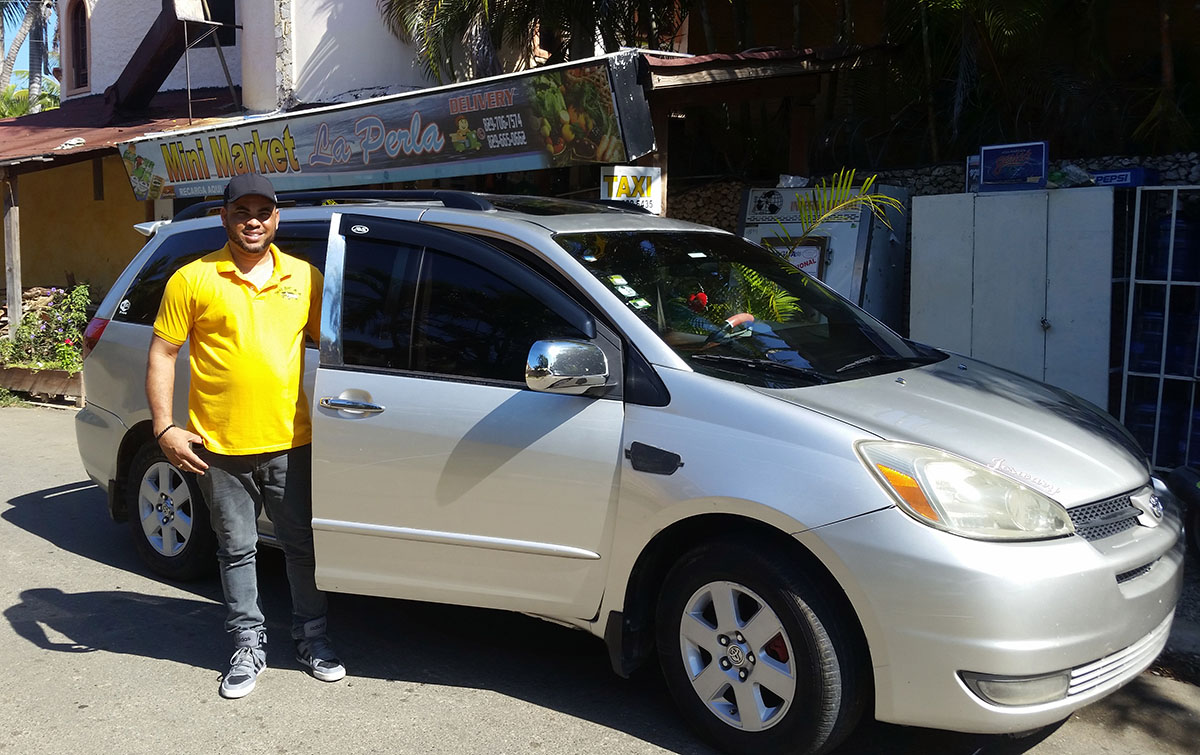
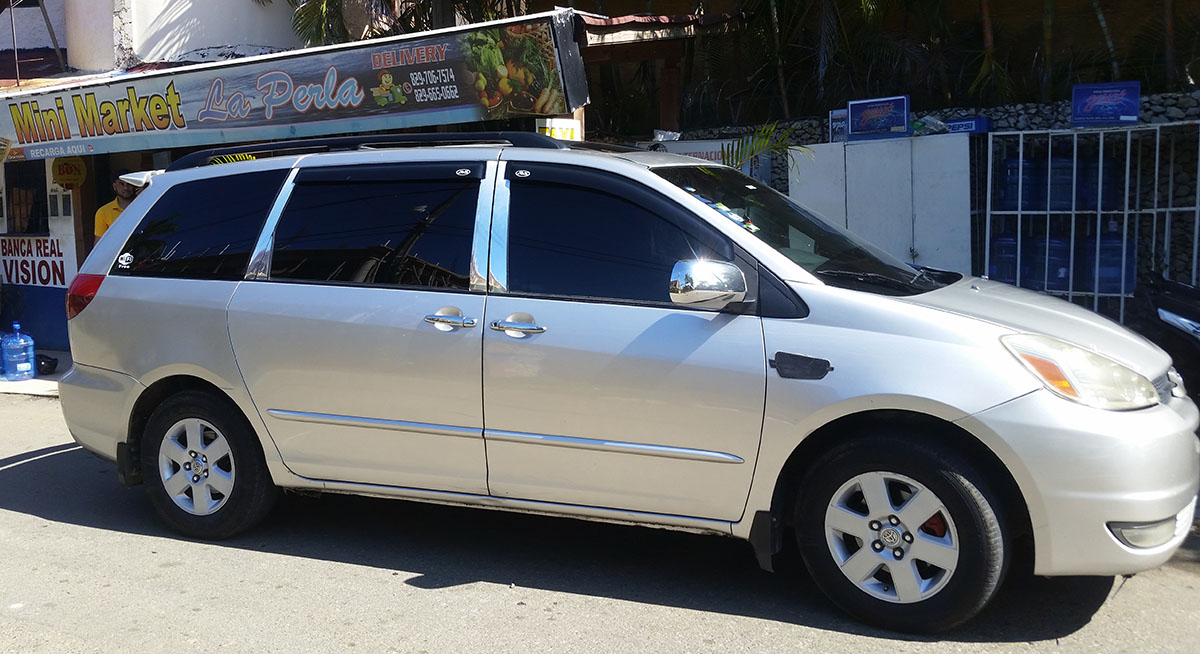
Taxi Sosua Cabarete is a well-established taxi company in the Sosua – Cabarete area, supplying taxi and tour guide services anywhere on the island.
Services:
- airport pick-up
- taxi service
- hotel transfer
- taxi tour guide
- day tours
We have two vehicles available, should you have larger groups. Special price can be negotiated for longer hires, i.e. 2-4 days.
Contact:
Joel 829-382-5435
Facebook



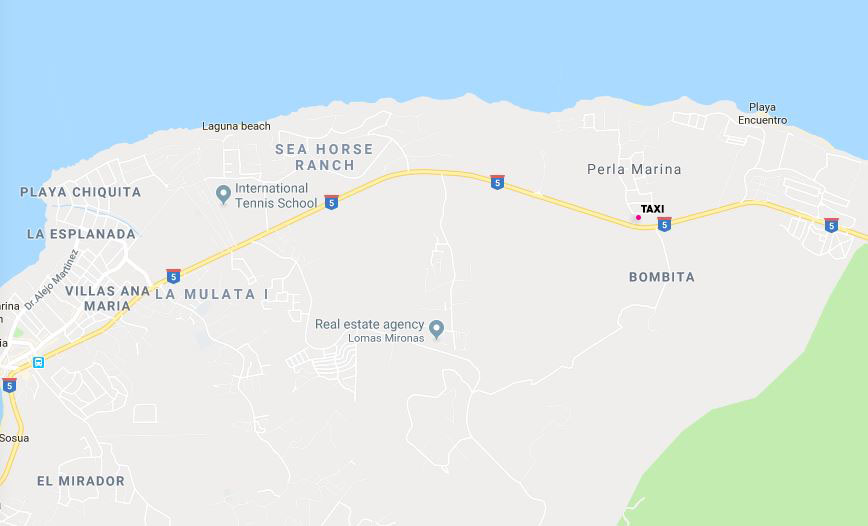
Map:

The Ministry of Tourism published the controversial resolution 002/2017 that amends the maximum number of floors for the construction of high rises in the Punta Cana tourist destination area. The resolution was published a year and three months after it was enacted by the Ministry, in violation with set Ministry of Tourism procedures. The resolution changes the decades-long development strategy for lowrise development in the Punta Cana area that is thought to be a major factor in the successful development of the area.
When rumors circulated for the government support of the change in authorized heights for the Punta Cana area, the National Hotel & Tourism Association (Asonahores) objected, but at last minute in December 2018, the leading hotel association desisted from taking legal action against the government.
The resolution authorizes the construction of five-story buildings in the Punta Cana area (Punta Cana, Bavaro, Macao) and increases the maximum floor height to 22 in some points.
In an interview on Hoy Mismo TV show, Tourism Minister Francisco Javier Garcia said there is no discord with the measure and any differences of opinions were left in the past. He stated: “What everyone wants is that, in the measure of what is possible, or always, as has been the spirit of the Ministry of Tourism, that we handle ourselves within the framework of dialogue.”
Diario Libre consulted Asonahores but was told the organization does not have an official position on the publishing of the resolution. But a source from the sector says that the mere fact that the government published the later on 31 January 2019 when it was adopted on 12 October 2017 is an example that the Ministry has not implemented the procedures correctly.
Source: DR1
Feb 4, 2019
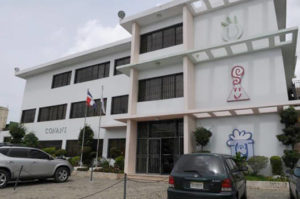
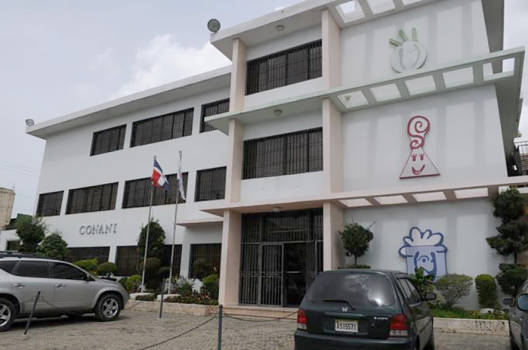
Adoption in the Dominican Republic is extremely difficult both for Dominicans as well as foreigners. The paperwork and bureaucracy is nearly endless. The new director of the National Children Council (Conani), Kenia Lora that oversees the abortions, wants to change this. Conani is the agency charged with protecting children and adolescents, attempt to reunite families and guarantee the rights of children.
In an interview with Adriano Miguel Tejada, executive editor of Diario Libre, Lora said that she has met with authorities from the Central Electoral Board (JCE) that handles civil registry in the country, in order to reduce the paperwork entailed in birth registrations. “In 2018 adoption requests doubled because we streamlined some of the processes that complicated things in former years,” she told Tejada.
Regarding adoption statistics… The majority of the children adopted are in Greater Santo Domingo, and there are 14 requests for adoption from overseas, especially Spain. Recent figures show 123 adoptions, almost evenly split between boys and girls. Of the 62 boys, 45 were adopted by Dominican families and 17 by foreigners, while the 61 females went to 52 Dominican families and the other 9 went overseas. At least 69 of these children had lived with foster parents, which are called “padres de corazon” in Spanish (parents from the heart).
In its efforts to protect the children, Conani has established seven half-way houses, and has a hotline called Life Line (Línea Vida) where cases involving children in danger can be reported.
Source: DR1, Diariolibre
Feb 4, 2019

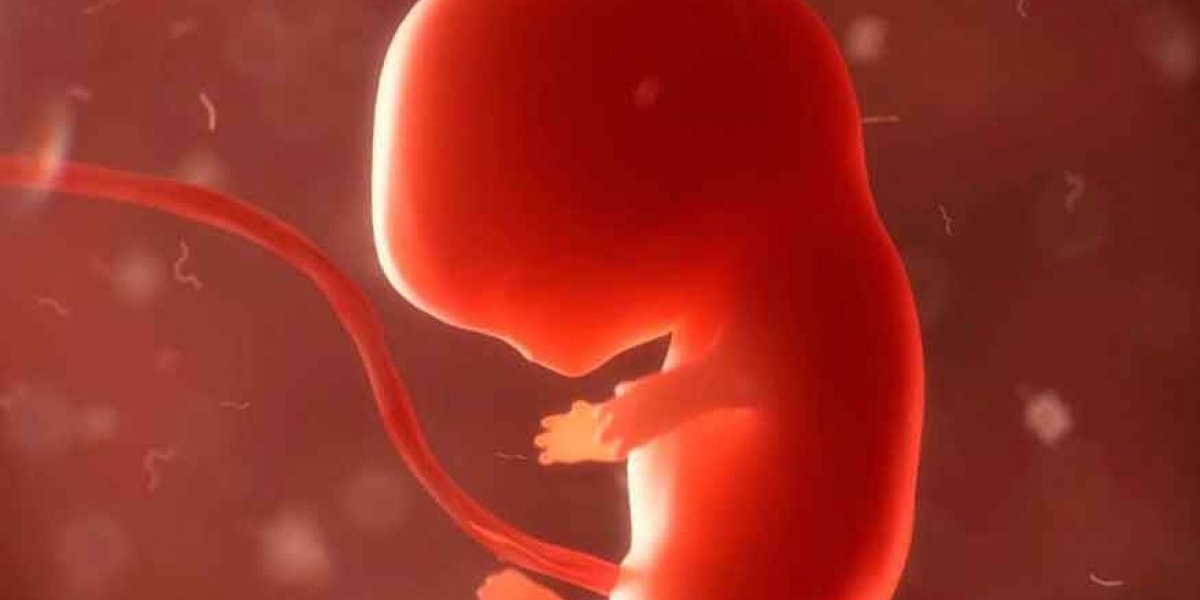
Representatives of the Dominican state ratified on Wednesday, 30 January 2019, during a United Nations human rights meeting in Geneva the commitment of the Medina administration to continue working for the legislative approval for an amendment to the Penal Code to decriminalize abortion in three cases.
The Dominican Penal Code, sanctioned by the National Congress in 2014, has been vetoed twice by the President Danilo Medina, because it maintains the penalty of abortion in all cases, even when pregnancy poses a risk to the mother’s life, if the fetus is not viable or is the pregnancy is the result of a rape.
In order to resolve the impasse in Congress amongst those that favor the religious point of view of zero flexibility for abortion and the Medina administration position proposed in April 2018 that the abortion article be excluded from the Penal Code that is in review.
During her participation in the presentation of the Universal Periodic Review (UPR) to the UN, Women Minister Janet Camilo also referred to problems of teenage pregnancy, and reiterated the responsibility of the country in implementing a policy of sexual education and reproductive system that prevents them, according to a Ministry of Women press release.
In that sense, the official informed that, under the coordination of the Vice Presidency of the Dominican Republic, in February a new National Plan for the Reduction of Pregnancy in Adolescents (PERA-RD) will be presented for the period 2019-2023 and its operational plan 2019-2020.
In September 2018, the United Nations urged the Dominican Republic to strengthen measures to reduce teenage pregnancy. Statistics indicate that 22% of women 12 to 19 years has been pregnant.
Source: DR1, Metrord
Feb 4, 2019

The Caribbean Baseball Series will be held in Panama from 4 to 10 February 2019 at the Estadio Nacional Rod Carew in the city of Panama. Hosting the event in Santo Domingo or Barranquilla, Colombia was also considered.
The tournament had originally been scheduled to be held in Barquisimeto, Venezuela, but was cancelled after the escalating of the political crisis in Venezuela. The Confederation had said earlier that the change was necessary due to the breaking of relations of the United States with Venezuela. This made it impossible for MLB-affiliated players to go to Venezuela. This is in addition to the current political crisis in that country.
This will not be the first time that the series has had to be moved from Venezuela, as last year it moved to Guadalajara, Mexico instead of Barquisimeto although on that occasion the decision was taken several months in advance rather than at the last minute as will happen in this case.
The participating teams for the 2019 Caribbean Series are the winners of the winter profesional baseball leagues in Venezuela, Mexico, Puerto Rico and the Dominican Republic. These teams are the Cardenales de Lara (Venezuela), Charros de Jalisco (Mexico), Cangrejeros de Santurce (Puerto Rico), Estrellas Orientales (Dominican Republic), Leñeros de las Tunas (Cuba), and Los Toros de Herrera (Panama).
This 2019, the host city, Panama is participating as guest team. Panama had hosted three Caribbean Series in the first phase of the tournament, in the years 1952, 1956 and 1960.
The Confederation also announced Puerto Rico was chosen the host city for 2020 Caribbean Series.
The Dominican Repubic will be represented by the Estrellas Orientales. The Estrellas announced they have contracted several key players of the Toros del Este, the team they defeated in the playoffs, after three key players, Fernando Tatis Jr and Jose Siri and Miguel Sano, announced they would not be playing with the team in the Caribbean Series. Reportedly, their MLB teams did not authorize their playing in the series.
Meanwhile, Venezuela announced that it may sue for losses in revenues it would suffer as a result of the change in the site of the championship. Venezuelan authorities had insisted it wanted to host the event as scheduled.
Source: DR1, Listindiario
Feb 4, 2019

Administrative Minister of the Presidency Jose Ramon Peralta took advantage of the stage of the American Chamber of Commerce business lunch on 30 January 2019 to call on Dominican society to not allow partisanship and politics to distract the Dominican Republic from the path of development, which is on a sustainable track. He pointed out that he was making the observation because in 2019 the country begins a pre-election year.
“You can be sure that, in the government, we will not lower the intensity with which we have been working, he added, and on the contrary, at this stage, as in the last 6 years, they will have the firm support of the Dominican government to achieve a more competitive, innovative and productive nation,” he stated.
He announced that in the next 45 days the National Competitiveness Council would be implementing the national innovation strategy, a product of the consensus of private and public sectors.
Likewise, the Administrative Minister of the Presidency said the Medina Administration is working to lower the non-financial public deficit to 1.9% of GDP. He said the government received a 9% deficit when beginning a first term in 2012. Peralta said that at present the non-financial public sector deficit is at 2.6% of GDP. He said what is most significant is that the reduction has been achieved without increasing taxes, but rather by improving tax collection efficiency, reducing evasion and focusing on efficient and effective government spending.
Peralta stressed that during the first six years of the Medina administration the country has sustained a 6.3% average GDP growth, the highest in Latin America, with 2018 closing at 7%. He estimated some 125,000 jobs are created every year.
Source: DR1, DiarioLibre
Feb 4, 2019
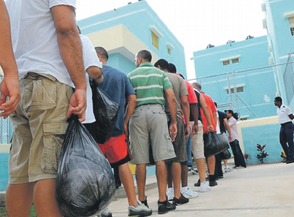
According to a report on the inmates in jail in the Dominican Republic, homicide is the main crime committed by those interned in the 22 new model prisons.
The statistics show that of the 9,069 inmates in the new jails, 2,861 have been convicted of murder. 91 of them for aggravated homicide, 43 for femicide and seven for infanticide for a total of 3,002 inmates for the different classes of homicide and the vast majority being males.
In second position are drug possession and sales crimes with 1,565 and in third place with 1,500 is robbery.
Domestic violence is increasing with 844 accused of that crime and 707 for rape. There are 284 jailed for fighting and injuring, 244 for criminal association and attacking of minors has 208.
Other crimes account for 91 inmates including cheque fraud, violation of the military code, defamation, abortion, cheating, breaking the law on closed hunting or fishing seasons, threats and environmental issues, each with less than 10 cases.
The old prison system is still in operation in 19 centers with 17,003 inmates compared to 9,129 in the new system for a total of 26,132 inmates.
Source: DR1, Listindiario
Feb 4, 2019
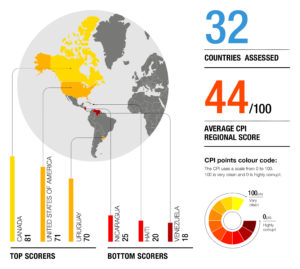
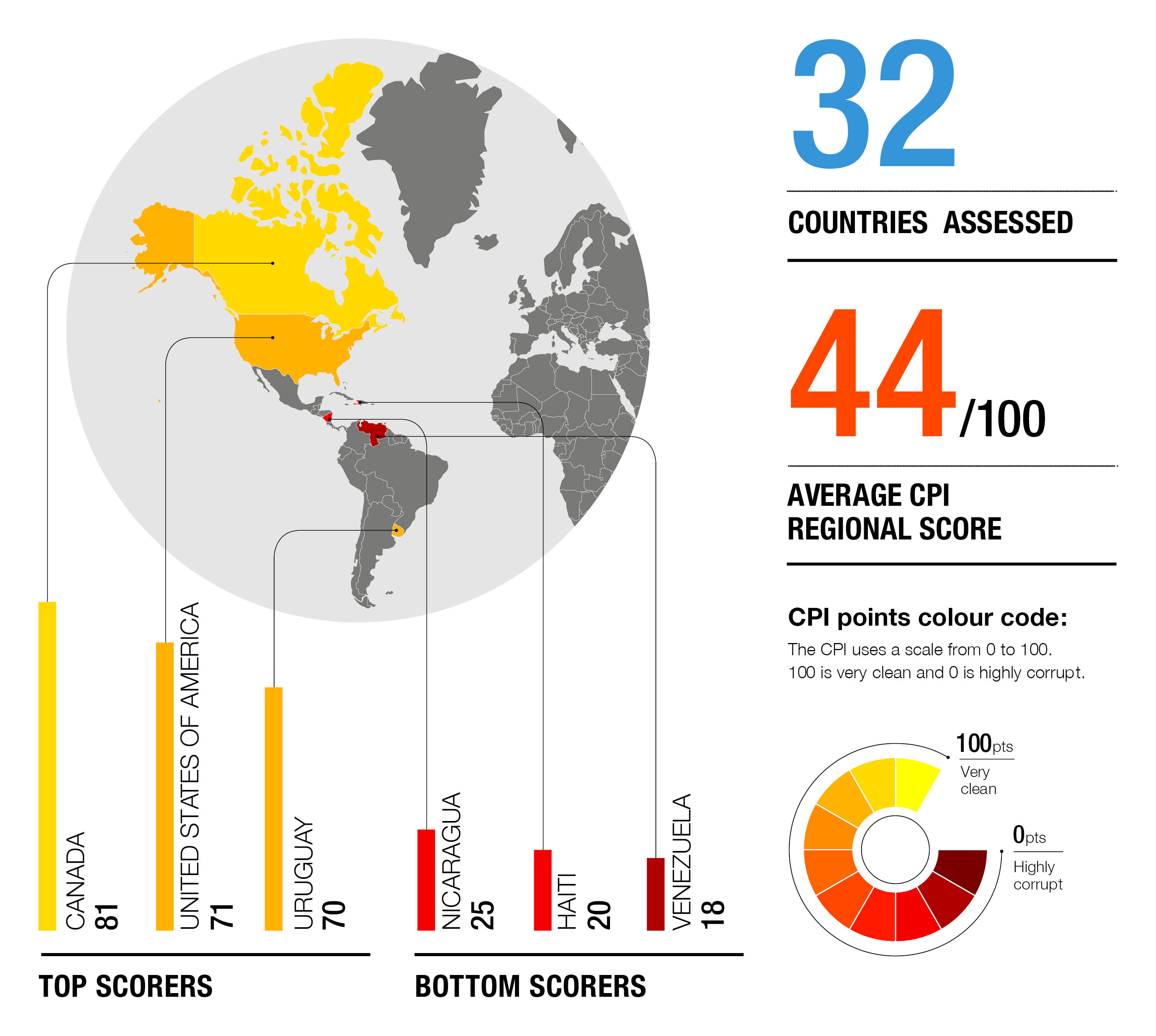
The 2018 Corruption Perceptions Index (CPI) published on 29 January 2019, by Transparency International shows the Dominican Republic improved one point, moving from 29 to 30 in the ranking. The DR is in 129th position and is listed 23rd of 31 countries in Latin America and the Caribbean. This places the country in the bottom third of the most corrupt, well below the average score that is only 43. In the Americas, the DR only ranked higher than Bolivia, Honduras, Paraguay, Mexico, Guatemala, Nicaragua, Haiti and Venezuela.
The overall conclusions of the report are not good. Overall the CPI 2018 shows anti-corruption efforts have stalled in most countries. The 2018 CPI draws on 13 surveys and expert assessments to measure public sector corruption in 180 countries and territories, giving each a score from zero (highly corrupt) to 100 (very clean). More than two-thirds of countries score below 50, with the average score of only 43.
Transparency International explains that the cross analysis with global democracy data reveals a link between corruption and the health of democracies. Full democracies score an average of 75 on the CPI; flawed democracies score an average of 49; hybrid regimes – which show elements of autocratic tendencies – score 35; autocratic regimes perform worst, with an average score of just 30 on the CPI.
Source: DR1, Transparency
Feb 4, 2019