Cueva de las Maravillas Foundation explains why it is necessary to privatize property
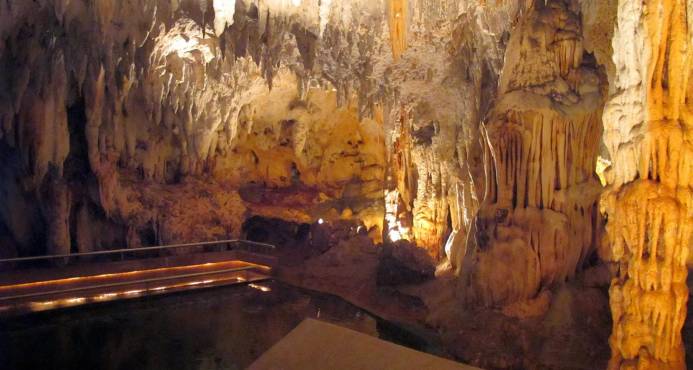
A source told Diario Libre that the Cueva de las Maravillas Foundation seeks to privatize the Cueva de las Maravillas property so that squatters do not continue to illegally occupy the protected area. The foundation, seeking to privatize 16,540.28 tareas (1 tarea = 629 square meters), said that already 3,000 tareas have been irregularly occupied. The source says that while the property continues to be under the legal ownership of the State Sugar Council these are susceptible to illegal occupation or invasion.
“The property has continued to feed a huge appetite for people who are seeking to squat on the protected area’s land. At the moment there are more than a hundred invaders in the northern part, ” the source told Diario Libre, while complaining about the lack of action on behalf of the provincial authorities despite the irregular situation.
The Foundation source said that in 2014, the CEA agreed to donate the 16.540.28 tareas to the Cueva de las Maravillas Foundation. The Foundation would manage, conserve and protect the natural resources and physical structures of the Cave of Wonders anthropological reserve, the preservation of its caves, its pre-Columbian identity, flora and fauna.
The contract then passed to the National Congress for final approval. In March 2018, the Chamber of Deputies remanded to the commission of contracts the reference to the Cuevas de las Maravillas. The logic of the contract was questioned by some legislators.
Then on 20 August, the Ombudsman Zaida Medina submitted a nullity action against the act of donation before the Superior Administrative Court (TSA). The body emphasizes that it is a fundamental duty of the Ombudsman to contribute to safeguarding the fundamental rights of all the inhabitants of the country and that this includes collective and diffuse interests, such as the environment, protected areas, cultural and archaeological heritage, as well as the general interest of the State.
The appeal to stop the transfer of the property has the support of the Academy of Sciences that argues that the areas or lands that are under the protection regime of protected areas constitute an inalienable and un-attachable component of state heritage and the ownership of such property cannot be transferred to any individual or private entity.
Source: DR1, DiarioLibre
Aug 28, 2018
Category: DR News |