Archive for April, 2018
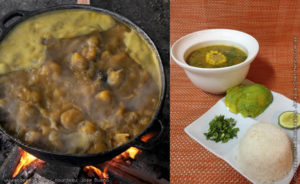
Dominican food culture has inherited key ingredients from Spain, Africa and from the Tainos, the original inhabitants of the island.
The “sancocho,” or stew, is an example of this mixture of influences.
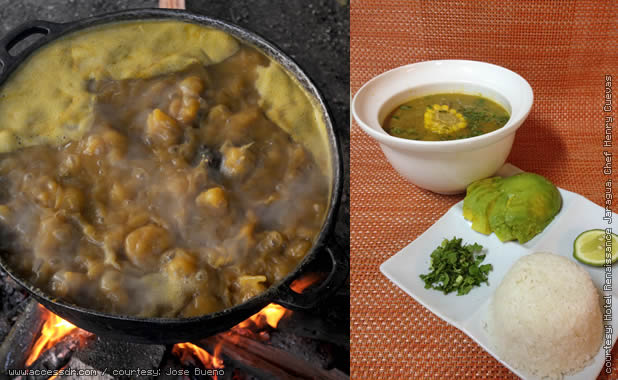
It is one the most representative dishes of the Dominican menu. It’s a mixture of root vegetables, meats and poultry.
The final result is an explosion of “everything that is Dominican,” says the popular Dominican chef Eugenia Rojo.
The “sancocho” reigns supreme at the table during major holidays and important family events. This hearty meal is traditionally accompanied with white rice and avocados.
These stew dishes are also popular in other Caribbean nations, such as Cuba and Puerto Rico although in these particular ideas the stews go by other names.
History
According to historians the stew is a variety of the “power dish” that traveled to the island from the Spanish Canary Islands.
Others believe the dish was prepared by French to their slaves in the new lands.
And yet others say the “sancocho” traveled to the New World aboard some of the European slave ships that arrived in the Caribbean in the 15th century.
However, its preparation today is very much in tune with “Creole” cuisine, the vibrant mixture of European and dishes, prepared in the New World.
The Jaragua and Adrian
International celebrities such as the Americans Robert De Niro and Robert Redford have tasted the Dominican “sancocho” during their stays at the Renaissance Jaragua Hotel in Santo Domingo.
According to the hotel’s head Chef, Henry Cuevas, the “sancocho” is by far the most popular dish on the menu.
The Renaissance Jaragua Hotel is dedicated to maintaining the tradition in the preparation of the “sancocho,” which is available to guests 24 hours a day, six days a week.
Its popularity is based primarily on the use of very fresh products, including meats and poultry and aromatic herbs.
The combination of flavors makes the “sancocho” a favorite in most Dominican households. It is traditionally served with white rice and avocados.
Another popular restaurant that serves one of the country’s finest “sancochos” is the Adrian Tropical chain of restaurants.
Again, one of the restaurant’s most popular dishes is the Dominican “sancocho.” Guests are served a small portion of the “sancocho” as a complimentary entry, before they are served their main dish.
Source: Access DR

Baseball Academies in the Dominican Republic: From Sweatshops To Big Business
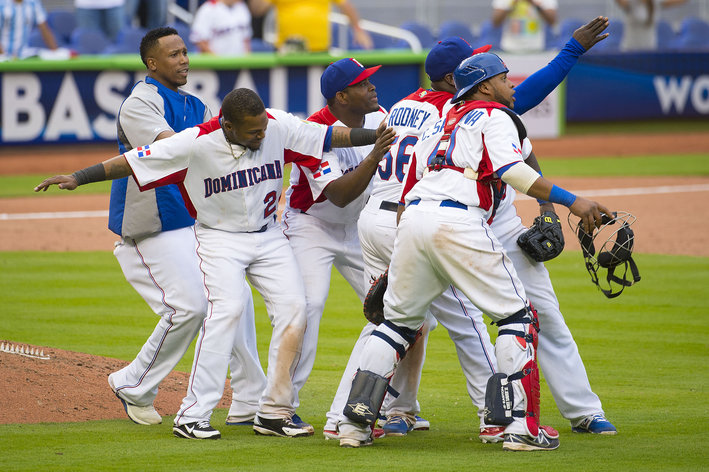
After decades of deplorable working conditions, Major League baseball teams are finally upgrading their Dominican Academies. The Cubs, Rockies and Mariners are the latest teams to invest in state-of-the-art facilities.
Baseball is expanding in the Dominican Republic as Major League teams are opening brand new academies and creating opportunities for talented young players across the island.
The D.R. is the biggest supplier of baseball players outside the United States. Nearly 30% of Opening Day rosters this year carried players born outside the U.S. and the majority of them were from the Dominican. While all 30 teams maintain training facilities in the D.R. only a handful have invested in building their own academy in this island nation.
Academies in the D.R. serve as an Ellis Island for players from other Latin countries, funneling them into a single program and filtering players to determine if they’re good enough to be promoted to short-season teams in the United States. As an example, last season the Rockies academy housed – among other countries- players from Venezuela, Puerto Rico, St. Maartens and Panama.
Minor league baseball is a tough existence with bus rides that last for days and a run-down hotel room to relax in, but life in an academy isn’t even that glamorous. MLB did an investigation on academies in 2000 and the results were alarming. Time Magazine referred to the programs as “resembling prisons.” One investigator described the terrible condition of the academies:
“Most of them were horrible,” says Charles Farrell, an investigator hired by MLB to study the facilities. “We found bugs in the rooms, cheese sandwiches for dinner.”
The Chicago Cubs in particular have been scrutinized for events that occurred in their Dominican Academy.
In 1997, author Arturo J. Marcano labeled the Cubs facility as worthy of being a “sweatshop.” Author of the book Stealing Lives, Arturo revealed the story of 19 boys who shared a single bathroom with no running water and an inebriated coach who threatened his players with a gun. One of the stories in the book involved an injured player who was nearly crippled when a street doctor damaged his arm by stomping on it to reset it.
Fast forward thirteen years and circumstances showed little improvement as an article in Time Magazine described the living conditions of the 2010 Cubs academy. There were beds stacked four bunks to a room with as much as 10 players living in a room that was built to house only two or three. There was even an instance of two boys sharing a mattress on the floor. Sandy Alderson was the MLB’s Supervisor over the D.R. at the time and upon seeing a photo of the room called the scene “unacceptable.”
Read the full story on www.minorleagueball.com
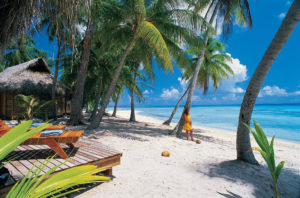
Despite the fact that the Dominican Republic, as well as the majority of Latin American countries, belong to the group of third world countries, it is developing at a rapid pace.
As practice shows, over the past few years, the businesses related to tourism have undergone drastic changes, however, an impressive number of indigenous people specialize in the field of agriculture. And this is understandable, because the Dominican Republic is primarily an agricultural place. The life in the Dominican Republic of a simple peasant is difficult to call rich and abundant – his incomes leave much to be desired, so in most cases he feeds exclusively from his garden. Successful are those who managed to enter the segment of the tourism business. Those who work in public institutions or do military service have a stable good income and, in addition, they can count on moving up the career ladder. As for the big money, here no one is chasing them, because life in such a place is beautiful in itself. It is in this connection that many residents do not know what stress is, and, thanks to this, live long enough, completely giving themselves away to positive emotions.
Speaking of nightlife, it is quite active. Go to a party and relax in one of the local clubs you can do it every day. In addition, very often Dominicans organize colorful shows, and sometimes invite celebrities who perform in clubs. The cost of the activities of such a plan will be higher.
Due to the fact that the Dominican Republic is an island country, life here is expensive. As most goods and products are exported from America and other regions. For example, the cost of local vegetables and fruits is acceptable, but all imports will be subject to a wrap.
As for the cost of housing, if you come here, you can learn more about it. Speaking, in general, it is important to note that everything will be determined by the location. The highest prices are recorded in the resorts. In general, the Dominican Republic will be an excellent option for those who are tired of the cold climate, the hustle and bustle of a big city and is ready to pay well for it.
On the Rights of Advertising
https://republicapro.com/
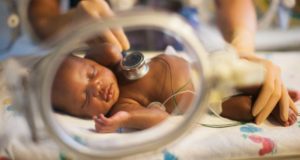
Statistics from the weekly bulletin from the Epidemiology Department (DIGEPI) of the Ministry of Public Health show that 793 babies have died in the first three months of this year compared to 601 over the same period last year that is an increase of 31.9%.
In the maternity hospital, San Lorenzo de Los Mina, of the 796 registered births up to 31 March this year, 22% died before reaching one month.
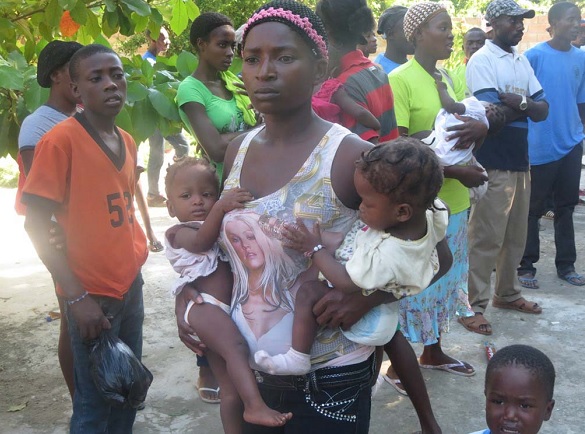
The Ministry of Health announced a program to reduce infant and maternal deaths 12 years ago, but so far it has had no success. Teenage pregnancies, absence of prenatal checks and hundreds of births to Haitian woman who come to the hospitals to give birth directly from Haiti have been cited as the reasons for the high infant mortality rate in the country. According to the director of Los Mina hospital, Paulino Díaz Ozoria, the rate of infant mortality in the first quarter of the year was 22.8% for Haitian babies and 26.3% of babies whose mothers were teenagers.
Director of the Maternal-Infants and Adolescents Program at the Ministry of Public Health, Juan Carlos De Jesús, said that they are working on a new plan of action which would shortly be announced. De Jesus declined to give details of the new strategy to combat infant mortality.
In addition, the director of the Presidente Estrella Ureña Hospital in Santiago, Francisco Hernández, and the president of the Dominican Medical College (CMD), Wilson Roa, attribute the high rate of infant deaths to several factors include premature births and the precarious situation in many hospitals, attributed to crumbling facilities, the lack of equipment and supplies as well as a shortage of medical personnel.
Most of the deaths of premature infants are caused by respiratory problems and septicemia.
Last year, 2017 there were 2,932 infant deaths of which 78% (2,280) occurred within the first month of life, with the majority being from 0 to 6 days old.
Source: DR1, DiarioLibre
April 19, 2018
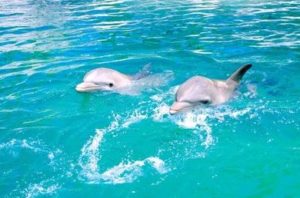
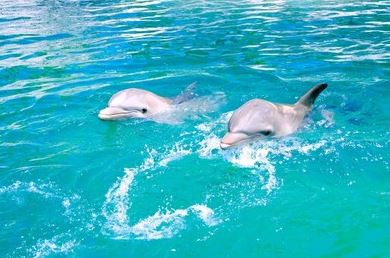
Ocean World Adventure Park in Puerto Plata has achieved certification through the global American Humane Conservation program for the welfare and humane treatment of the animals under its care. Ocean World passed a rigorous third-party audit to become the first institution in the Caribbean to earn the prestigious Humane Certified seal of approval.
The American Humane Conservation program is the first-ever certification program solely devoted to helping verify the humane treatment of animals living in zoos, aquariums, and conservation centers across the globe. The program enforces rigorous, evidence-based standards of comprehensive animal welfare, developed by an independent Scientific Advisory Committee comprised of world-renowned leaders in the fields of animal science, animal behavior, animal ethics, and conservation.
“Our entire team is honored to be the first institution in the Caribbean to achieve this prestigious certification for animal welfare,” said Stefan Meister, Vice President of Ocean World Adventure Park. “Our animals’ care and well-being have always been our priority. Receiving the Humane Certified seal from the world’s most respected humane organization shows our commitment to meeting the highest standards of humane animal care.”
“It is our responsibility as the trusted and expert guardians of more than 2,000 animals to always provide them with exceptional and humane care,” added Kees DeGroot, zoological director at Ocean World. “Our team of professionals is truly dedicated and passionate about the well-being of our beloved animal family and as a result, they are thriving under our care.”
The American Humane Conservation program’s extensive criteria exhaustively verify the many dimensions of animal welfare and well-being, with areas of evaluation including: excellent health and housing; positive social interactions within groups of animals, as well as between animals and handlers; safe and stimulating environments, with concern for factors such as appropriate lighting, sound levels, air quality, and thermoregulation; and evidence of thorough preparation and protocols established to prevent and manage medical or operational emergencies.
Source: DR1, https://www.benzinga.com/
April 17, 2018
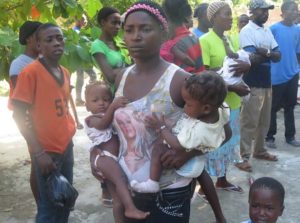
According to the Second National Immigrant Survey, carried out in 2017, the foreign population in the Dominican Republic is 570,933, which is equivalent to 5.6% of the total population. Of these some 497,825 were born in Haiti, for 87.2% and the remaining 73,108 are from other countries.
In addition the study reveals that in the last five years the numbers of immigrants, mainly Haitians and Venezuelans has increased by 50,000 (some 9,260 persons a year).
Economy Minister Isidoro Santana said that this year the descendants of immigrants reached 277,046 of which some 253,255 were of Haitian origin.
The increase in the number of immigrants year to year is basically due to arrivals of Haitians and Venezuelans who come for work reasons. 80% of Haitians and Venezuelans are aged between 15 and 45. Over the last five years the number of Haitians has increased by nearly 40,000 from 458,233 in 2012 to 497,825 in 2017 which is 8.6% over five years.
Over the same period the number of Venezuelans has increased by over 653% from 3,434 in 2012 to 25,872 in 2017. The numbers of other foreigners is more or less unchanged.
Source: DR1, Almomento
April 17, 2018

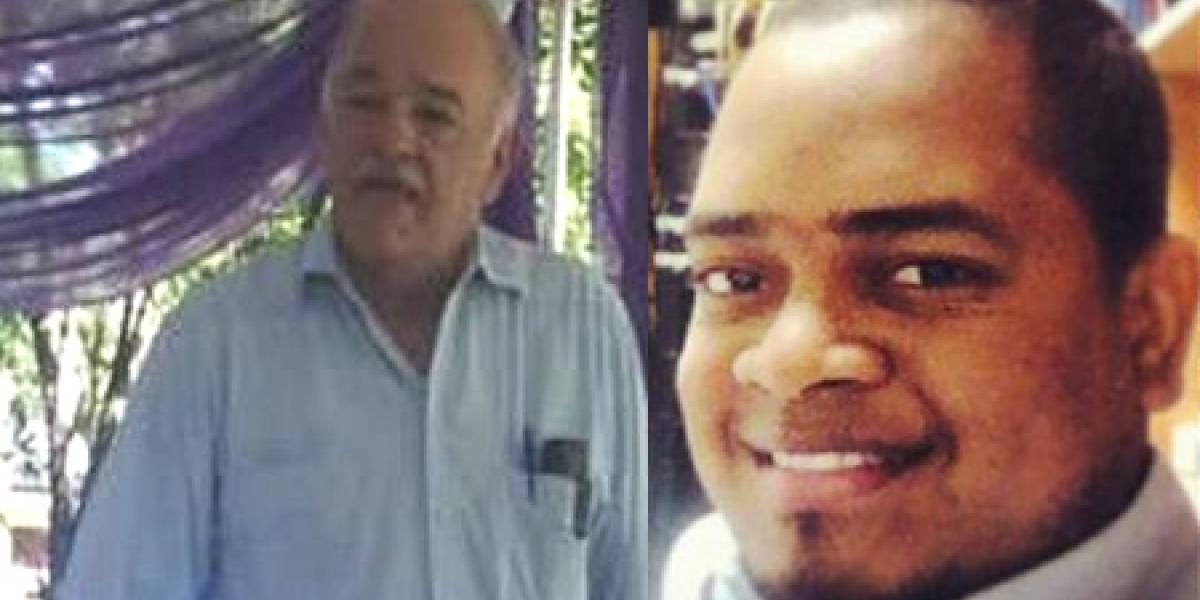
The Police reported the arrest of the brother of the former director of Customs Agency, Roberto Jesus Bisonó Cabrera, for the death of the latter and his son-in-law Eliceo Darío Esteban Martínez Aquino. The two were found dead inside a vehicle in La Lomota de Altamira in Puerto Plata.
The spokesman for the Police, Frank Durán Mejía, said that units of the Criminal Investigations Agency (Dicrim) collected sufficient evidence that incriminates Apolinar Federico Bisonó Pérez as intellectual author of the murder of Bisonó Cabrera and his son-in-law Martínez Aquino. Surveillance video and telephone conversations in the sector of Villa Nueva Arriba, Navarrete helped the Police reach these conclusions. When arrested, Bisonó Pérez said he had planned the death of his brother for two years due to a clash over the management of a family farm. He decided to order the killing of his brother because he was very difficult and would not share the yields of the farm.
Also under arrest are Ceferino Durán Arias (El Gringo) and Reynaldo Vargas Reyes, among others.
Source: DR1, Metrord
April 17, 2018
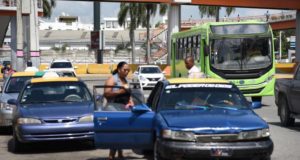
According to information published last week by the Central Bank, the Price of the products and services which make up the family basket for the poorest in the country registered the highest increase during the last year.
Over the last 12 months the most basic basket has risen in price from RD$13,220.72 in March 2017 to RD$13,783.77 at the end of March this year.
On analyzing the increase, economist Miguel Collado Di Franco said that it is obvious this will cause a major impact in the homes of families with the highest level of poverty.
The main reason for the increase was a 5.3% spike in food prices plus alcoholic beverages which have increased by 6.2% in the year, followed by 4.5% increase in transport and housing is also up by 4.2%.
There are different family baskets depending on social strata with the average costing RD$30,149.07 at the end of March this year. However those in the highest social class spend more with the basket costing RD$61,586.58. Those in the level below pay RD$31,461.53 that is an increase of 3.9% over the last year, and the level below that pay RD$24,119.01. The second lowest basket is at RD$19,661.61.
Source: DR1, DiarioLibre
April 17, 2018

A heart-warming episode of the Ellen Degeneres show featured Dominican Diana Aquino, who moved to the US seven years ago and says she learned English watching the show.
“Be Kind,” remembers Aquino, she picked up from show host, comedian and actresss Degeneres. Aquino knew only two words — hello and goodbye — when she arrived to the US. Today she is a math tutor and works in a retail shop.
On the show, Aquino received a US$10,000 donation to apply to her studies.
https://www.youtube.com/watch?v=mNIXRXikYDc
Source: DR1, Lisitndiario
April 17, 2018
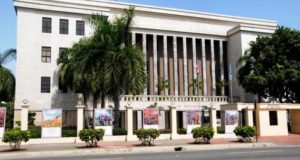
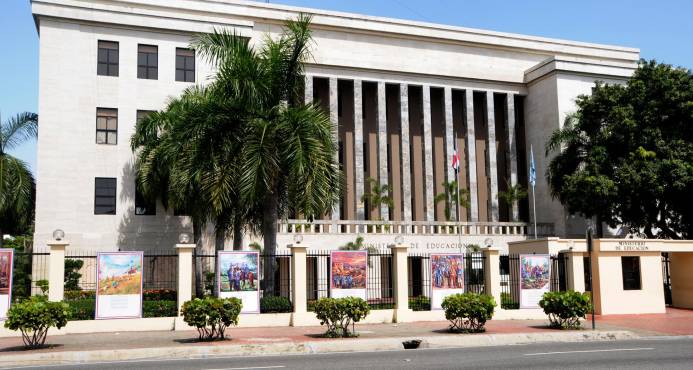
Only 12% of third graders in public schools did satisfactory in the diagnostic tests carried out by the Ministry of Education that monitor reading and math levels (Evaluación Diagnóstica Nacional de Tercer Grado de Primaria). Another 38% of students tested had acceptable performance and 50% showed only basic level.
Ancell Scheker, director of quality control for the public school system, said the purpose of the evaluation was to test performance levels resulting from the new curriculum, support educational centers and use this information to develop programs to train teachers, plans and policies for improving quality. “Quality and equity are the great challenges of our educational system. The results of this evaluation indicate that there is diversity in the performance of the students and that it is necessary to continue the efforts putting all the emphasis on the improvement of learning, “said Scheker.
The president of the Dominican Public Schools Guild (ADP), Eduardo Hidalgo, said that all the blame cannot be placed on the third grade school teachers – these shortcomings must to be shared by the teachers of the early grades. He said the biggest weakness is in reading-writing skills. “The guild sees these scores as a challenge to work to change this situation,” he said. He said improvements are needed in the education teachers are receiving at the university level.
Some 180,000 students were tested. The educational centers will receive their individual report of the results and an analysis guide to bring together the management team and teacher of the first cycle of primary school and families to identify the factors that affect the results so plans for improvement can be drafted.
Diario Libre managing editor Ines Aizpun in an editorial on Monday, 16 April 2018, says the low scholastic levels contrast with doubling of funds available for the public school system. Aizpun appreciated that Education Minister Andres Navarro made the results known to the public. “It’s not poverty, nor low wages, nor lack of technology in the classrooms, nor lack of classrooms, nor masters education for the teachers, nor the conflicts over the choosing of the regional directors,” she comments. “To teach how to read and write, throughout the centuries, 4% of GDP has not been necessary.”
Source: DR1, Diariolibre
April 17, 2018