DR Living
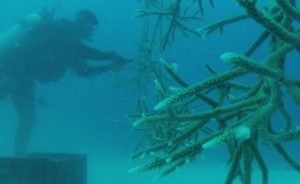
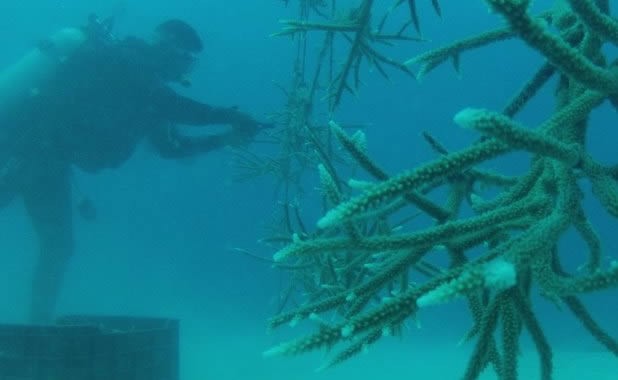
The country, along with several international organizations, is currently sponsoring various programs to protect the coral reefs in important tourism regions. The programs include the set-up of nurseries for the production of corals and many educational activities are taking place to raise awareness in many beachfront communities on the need to protect the corals, a fundamental component to the country’s ecosystem.
There are currently eight coral nurseries set up, the largest one situated in Punta Cana, on the country’s eastern region, and operated by the Punta Cana Group, the country’s first tourism company to introduce environmentally sound programs through its Ecological Foundation.
Punta Cana
The “Coral Nurseries Initiative” program – run and managed by the Punta Cana Ecological Foundation – was developed with the University of Miami, Counterpart International and the Inter- American Development Bank (IDB). The program’s main goal is to raise awareness regarding this issue and to promote the planting of coral along the Dominican coastline.
Through the initiative the Foundation has developed strong ties with other organizations and groups working with sustainable management and conservation of coral reef issues. The goal is to improve the livelihood of fishermen in the Punta Cana area, in the country’s easternmost region. The Foundation also organizes workshops on coral restoration. The latest workshop was on “Best Practices in Restoring the Staghorn Coral,” with Dr. Austin Bowden – Kerby – a pioneer in planting corals – as the guest speaker.
Bayahibe
The Dominican Foundation for Marine Research’s Center for Coastal-Marine Studies currently operates two nurseries. One is situated seven meters deep and the other at twelve meters. It has successfully transplanted coral along the Bayahibe coastline, specifically off the waters of the Viva Wyndham Dominicus Beach Hotel and other nearby areas.
Samaná
The Tropigas Natural and the Reef Check foundations are carrying out important protection and coral planting projects in Las Galeras, in Samaná Province, on the country’s northeast region. The Acropora Palmata and the Acropora Cervicornis are the two coral species found in the nurseries operated by the foundations. Both species are on the endangered list.
Source: Access DR

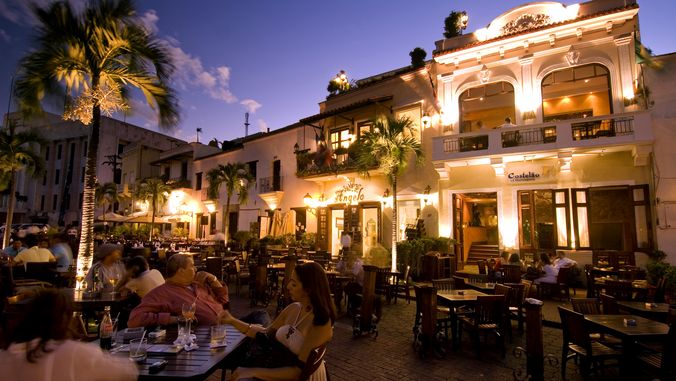
While there’s no shortage of sea and sand in the Caribbean, authentic history is harder to come by. A major exception is the city of Santo Domingo, the capital of the Dominican Republic. Often referred to as the “Oldest City of the New World,” Santo Domingo has a compact historic neighborhood with many buildings dating back to the 15th century. A handful of these can linked to Christopher Columbus and his crew. Travelers can immerse themselves in Santo Domingo’s days of yesteryear atmosphere by choosing to stay overnight in one of the city’s historic Colonial Zone hotels.
Casas del XVI
One of Christopher Columbus’ ship pilots, Alonso Perez Roldan, was an early resident of Casas del XVI, a 16th century mansion comprising three houses. Accommodations are spread throughout the houses — Casa de los Barcos has the property’s two-bedroom suite; Casa de Mapas has three rooms, an expansive courtyard and a small pool and Casa del Arbol has a smaller courtyard and four rooms featuring free-standing soaking tubs. All Casas del XVI guests receive the services of an unobtrusive butler, who can do everything from making dinner reservations at local eateries to delivering a gentle morning knock on your door as a wakeup call. Breakfast is included in the room rate and served al fresco. There are a number of choices, but guests should try the Dominican-style breakfast at least once during their stay, which includes eggs over easy, fried cheese, fried salami and mangú (cooked plantains with sautéed onions). Casas del XVI is a good choice for travelers desiring an extra measure of service.
Hostal Nicolas de Ovando
Hostal Nicolas de Ovando originally housed Governor Nicolas de Ovando, the first governor of the Americas. It’s to be expected that the 500-year-old property is brimming over with history, but surprisingly it also manages to project a hip and sophisticated ambience. Santo Domingo’s twentysomethings are a common sight here, sipping cocktails around the pool as merengue plays in the background. The hotel has 104 rooms; those intent on enjoying a historic vibe should opt for one of the 45 colonial-style rooms. These have hacienda shutters, high ceilings and tile floors that transport a lodger back into the past. Don’t miss the hotel’s Cibao Bar, where guests can kick back with a variety of aged rums while lighting up a Dominican cigar hand-rolled by the hotel’s very own tabaquero (tobacconist). Hostal Nicolas de Ovando is recommended for those in search of a full-service, modern hotel with roots in the 16th century.
El Beaterio
El Beaterio is an 11-room hotel in a 16th-century former convent. As one might expect, there’s a hushed, homey atmosphere at El Beaterio, which has been carefully restored over the years. There are plenty of historic details, including original stone walls and tile floors, as well as antique musical instruments adorning the walls. Don’t miss the rooftop terrace bar, which boasts great views looking out over the Colonial Zone and Parque Duarte. El Beaterio is a good match for those favoring an elegant and homey atmosphere at very reasonable rates.
Boutique Hotel Palacio
Jumping forward a few centuries brings us to the Boutique Hotel Palacio, a 19th century building that was the home of Ramon Baez, a former president of the Dominican Republic. The Boutique Hotel Palacio has a unique ambience — a blend of history and mystery that will please those who love a good gumshoe film. The four-story building has a cozy lobby bar, inviting inner courtyard and a rooftop pool. The Boutique Hotel Palacio makes a good choice for budget-minded travelers with a fondness for history and a dash of film noir drama.
All four of the above hotels are within blocks of each other in Santo Domingo’s Colonial Zone. Guests will find lots of pleasant surprises to discover on foot, including a multitude of restored buildings with period details, al fresco restaurants, parks brimming over with local color and lots of shops, especially along the pedestrianized Calle El Conde.
Source: USAtoday

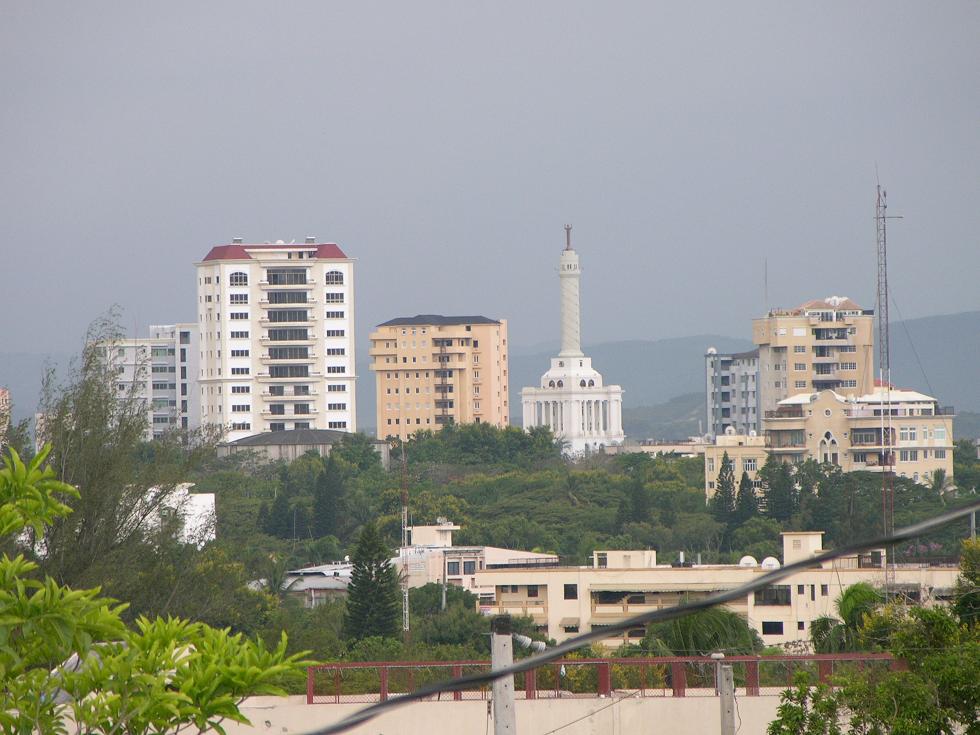
The principal urban center of the North region was included in the network of 100 cities that are best prepared to respond to the challenges of the 21st century, in the initiative “100 Resilient Cities” by the Rockefeller Foundation.
The initiative “100 Resilient Cities” (100 CR), headed by the Rockefeller Foundation, announced yesterday that they have invited 35 cities from around the world, including Santiago de los Caballeros, to join the Network of the 100 Resilient Cities.
This announcement was made during the Summit of Urban Resilience of the Rockefeller Foundation held in Singapore.
The cities are: Accra, Ghana; Deyang, China; San Juan, Puerto Rico; Amman, Jordan; Enugu, Nigeria; Santa Fe, Argentina; Arusha, Tanzania; Huangshi, China; Santiago de los Caballeros, Dominican Republic; Athens, Greece; Juárez, México; Santiago (Metropolitan region), Chile; Barcelona, Spain; Kigali, Ruanda; Singapore; Belgrade, Serbia; Lisbon, Portugal; St. Louis, Missouri, USA.; Bangalore, India; London, England; Sidney, Australia; Boston, Massachusetts, USA.; Milán, Italy.
The list also includes the cities of Thessaloniki, Greece; Cali, Colombia; Montreal, Canada; Toyama, Japan; Chennai, India; Paris, France; Tulsa, Oklahoma, USA.; Chicago, Illinois, USA.; Phnom Penh, Cambodia; the City of Wellington, New Zealand; Dallas, Texas, USA y Pittsburgh, Pennsylvania, USA
This 2nd wave of cities will join the 32 cities which won the 100 Resilient Cities Challenge, forming a growing network of urban centers all around the world that are ready to respond to the social, economic and physical blows and tentions which are a growing part of the 21st century.
The 100 Resilient Cities was created with a commitment of US$100 million by the Rockefeller Foundation as part of its Centennial last year, recognizing the tendencies of urbanization and globalization which characterize these centuries.
“The members of the network of 100 Resilient Cities are the world leaders in demonstrating that not only is it possible to create urban resilience in all types of cities, but also that it is an imperative,” said Judith Rodin, the president of the Rockefeller Foundation in the press release published regarding the announcement on the webpage of the initiative (www.100resilientcities.org).
“The cities are learning that by creating resilience, not only will they be better prepared to face the bad times, but also that life is better during the good times, especially for the poor and vulnerable populations. This is an intelligent investment and generates a benefit of resilience which is positive for everyone.”
Why Resilient Cities?
The Rockefeller Foundation explained that as the number of persons who live in urban areas grows from 50% of the world population to around 70% in 2050, the cities around the world will have to deal with the effects of rapid urbanization, globalization, climate change, and tnatural catastrophes as well as those caused by man.
Urban resilience is the capacity of the individuals, the communities, the institutions, the companies and the systems of surviving, to adapt and grow in spite of any chronic tension in sharp blows which they experience.
From the impact of the super typhoons, to the growing social – economic inequalities or the ability of the municipal systems to respond to growing populations and the reduction of food supplies, 100 Resilient Cities has as its purpose to equip the urban areas with the tools and the support network in order to design, develop and implement integrated solutions.
“Each city is unique, and by means of the Network 100 CR, the cities are taking advantage of the experiences of others and learning the best techniques in order to promote resilience,” explained Michael Berkowitz, the president of 100 Resilient Cities.
“By connecting the cities between each other and to experts in the promotion of resilience, we have the intention of creating a global practice of solutions of scalable resilience, in order that the cities can respond to the challenges of this urban century in a most effective and efficient manner,” he explained.
The creation of the network
This diverse list reflects the needs to learn from cities of all sizes in all parts of the world in order to be able to adapt and innovate.
The cities that make up the network of 100 Resilient Cities face a broad range of environmental and social challenges – from the growing threat of floods and extreme meteorological phenomena, to the growing pressures on the infrastructure and the health systems and economic tensions ever more profound – which are found in different points in their road towards the creation of a more resilient metropolis.
Each city in the network qualifies to receive subventions in order to contract in a Executive Director of Resilience, who will head the analysis, planning and implementation of the resilience that energy of the city, by means of collaborating with different agencies of the government and with all of the sectors.
They will also receive technical support and services when these are necessary while they work in order to implement this strategy. In addition they will have access to a variety of partners in the private, public and nonprofit sectors. These partners will offer tools in fields such as innovative financing, technology, infrastructure, territorial organization and community and social resilience.
Source: DiarioLibre
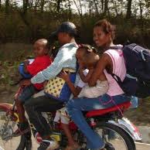
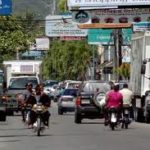
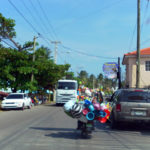
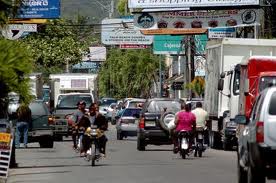
Driving in the Dominican republic is an experience in itself. Especially foreigners who come from countries where road rules are strict get a shock when they see what drivers here get away with. Here are some examples:
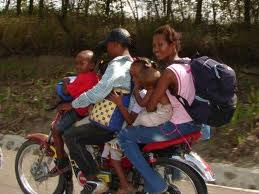
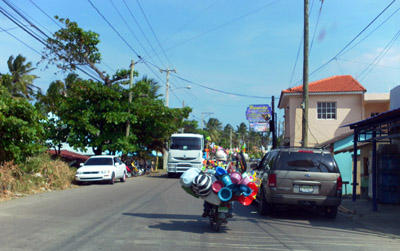
Daring: A large number of motorist run red lights, drive with alcohol in their hands, texting or on the phone while driving or wear no helmets when on motor bikes. Motor bike drivers often drive on their back wheels down streets with parked cars and people and seem to have no care for their own or others safety – their ego must prevail! Also it shocks new comers to see small motor bikes with up to 5 people on them (often 1-2 baby’s hanging off mum’s arm). Taxis and mini busses are often crammed with so many people, that you would think they are trying to enter Guinness record book for the most people squeezed into them! Construction workers or truck assistants are often sitting on top of cargo, with no apparent fear of what would happen if they crashed.
Noise: Many drivers also believe they “must” be noticed by everyone else, and build half a disco into the boot of their cars and drive with the boot open after which they turn the volume up till it can be heard 5 blocks away and set every car alarm off nearby. The police seems to ignore this.
Disrespect/Arrogance: Especially male taxi, bus and truck drivers, seem to take great pleasure in driving ridiculously slow while riding on the middle line with their arm dangling out the window – pulling a long queue of annoyed drivers behind them. DR would also be one of the only country’s in the world where a large majority of drivers refuse to lower their headlights when it’s dark – a big mean ego seem to kick in with a majority when they get behind the wheel! Don’t be surprised if motorists in front of you suddenly slam their brakes on, as they’ve decided that now they need to have a 1-2 minute chat with an amigo or they suddenly saw, or they see a potential buck to be made from someone standing at the road side and therefor justify that it’s o.k. to risk harmonica collisions behind them so they can make 50 pesos!
Rust buckets: Here you will see trucks, cars and vans that are nearly rusted away with bent chassis, warn tires and no side mirrors. A lot of bikes, cars and trucks blow black smoke that will make you want to keep a good distance!
Accidents: If you are a foreigner, it’s very common that if you are involved in an accident, that you will be blamed for destroying years of damages that existed already in their vehicle of bike, and even when you are the victim, many locals will try to frame you as the villain – watch out for this! Watch out at night for motor bikes with no lights (Stay on the middle line as often it’s hard to see the bike till it’s too late) – also there’s many vehicles with missing lights, so be careful not to assume it’s a motorbike coming towards you when overtaking. If someone plays your bluff about you having to pay them money to get rid of them, then suggest to them that you both go to the police to show license and insurance details, as in many cases they start humbling down straight away when they realize they have to be questioned by police. Make an “on the spot decision” what is in your favor, as the police is well known to squeeze you for money whether they helped you or not. Don’t be in a hurry to play “Mother Theresa” if you see someone at an accident needing a lift to the hospital. If some Dominicans or the ambulance can transport the injured person there, then this is favorable, as even if you as a foreigner weren’t involved with the accident, then they will often try to pin it on you, as here the foreigner is always rich! (even though most are not).
Fines: The traffic police “Amet” are fast to pull people over if the driver hasn’t got their seat belt on, or if he/she is on the cell phone. Most times they are just after money – take control of the question asking, speak English and keep the keys away from them – play very difficult, only show copies of all paper work, and tell them that you keep originals in a safe place so that corrupt service people don’t violate you – refuse to go to the station with them – usually they will let you go in the end, as you’ve just entered their “too hard basket”. Better than all this – avoid them when possible – look to the side that they are not standing and by the time you turn your head back, they realize it’s too late to get your attention to pull over (or start sneezing when you approach them waving cars in to the side and just keep going! If you can tell that they are going to fine you, then always claim that you have no cash on you, and take the fine. Afterwards place this amongst your toilet paper as they don’t have any proper follow-up with enforcing you to pay (at least not on the North Coast). Be careful when parking, as Amet drive around like hawks looking for vehicles to tow away – don’t park on yellow lines, where “No Parking” signs do exist, with 2 wheels up on the foot path or too close to a corner (ask a friendly local for advice).
Licenses: Depending on whether you are planning to stay full time or not in the country, could determine whether you choose to go for the DR license or not. Many residents just show a copy of the o/seas license and claim to be a tourist. If you are planning to get a license, then ask someone pleasant in an office, and usually they have a contact to someone who can help you get it for a lot less than trying to go through a lawyer.
Source: NPN
The tropical fruits of the Dominican Republic are some of the most varied in the world. The Dominican Republic is abundant in fruit. Here’s a list of just some of the exotic fruit grown on this island.
Limoncillo/quenepa

The fruit is about the size of a large grape, round and green and grows in bunches. Skin is thin and hard but easily cracked with teeth. Inside the flesh is yellowy pink and soft, like a lychee. Peel, pop in mouth and suck the flesh off the stone (take care – juice will stain clothing). Taste is tart to sweet. Children sell them at Macao beach.
Uva de playa – sea grape
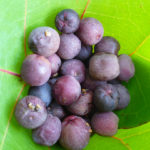
On beaches around the Dominican Republic you will often see short stubby trees with dark green big leaves that have a reddish-colored primary vein extending from the base. Often they will also have clusters of grape-like fruit. This is the sea grape tree, which is extremely hardy, wind resistant, tolerant of salt and loves being in the full sun. They help prevent erosion and provide much welcome shade on coastlines. They are also great trees to climb in when you are a kid.
The fruit itself is mostly seed. When ripe at the end of summer they tend to be of a mauve color and despite the fact that they have little flesh they are still a refreshing and nutritious beach snack.
The nutritional value of sea grapes is thought to be similar to other purple grapes, being rich in copper, iron, potassium and manganese. They are also a good source of vitamins A, B, C, K and beta carotene.
The fruit can also be used to make jelly or wine. Bees love the flowers of this tree, which yield abundant nectar. The honey made with these flowers tends to be of good quality, light amber in color, and spicy. A gum or resin from the bark has been used for throat ailments and the roots used to treat dysentery. Boiling the wood yields a red dye. The tree also seems to lend itself well to bonsai growing.
Guanábana / soursop

A large fruit, green and ovoid in shape, can weigh up to 10lbs. The surface is covered in thorn shaped nodules. The inside is white with dark inedible seeds. The flesh tastes creamy sweet and tart with a custard like texture. Champola de guanabana is a delicious drink made from guanabana pulp, milk and sugar.
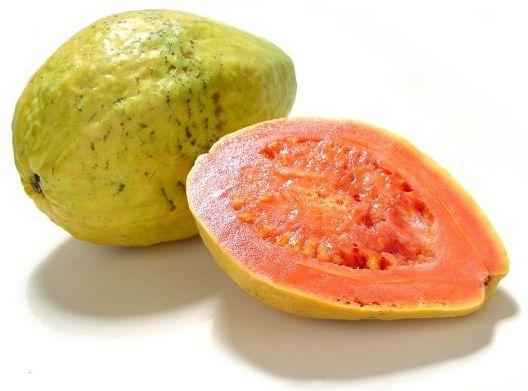
Guayaba / guava
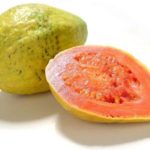
A green pear sized fruit with soft, sweet pink or white flesh. The flesh is full of seeds and has a strong perfume aroma. Makes a great compot. In most colmados you can find the sweet dulce de guayaba sold in blocks. It’s made by stewing guayabas in water and sugar.
Jagua / genipap
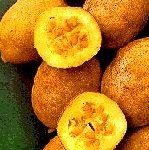
Not rated as an edible fruit but used for juices and beverages. The juice from an unripe fruit is colourless but oxidises on exposure to air and turns black inky blue. Like henna, the juice is often used as a natural dye or for non-permanent tattoos. In parts of the Caribbean the tree is used as a living fence.
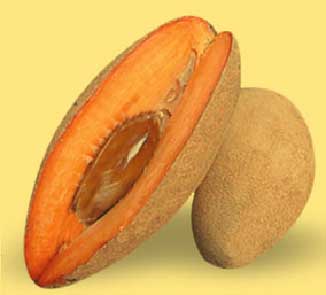
Zapote /mamey / sapote
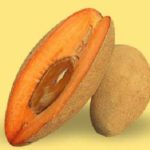
Oval shaped, slightly pointy at one end. Skin is brown and rough. Flesh is brownish orange and covers a large, shiny dark brown seed. Flesh has a flavor similar to sweet potato. Makes great, creamy, rich fruit shakes.
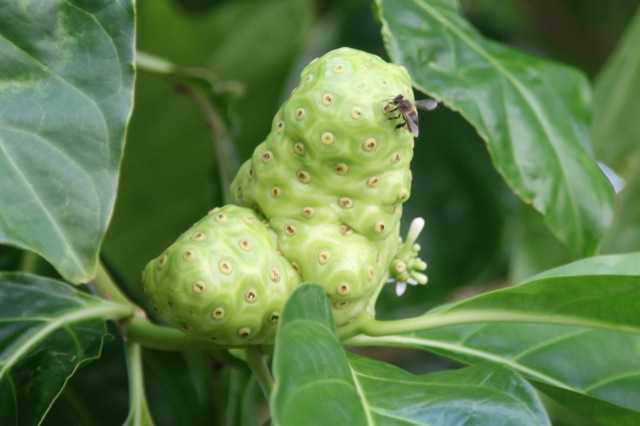
Noni
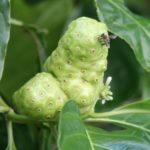
This controversial medicinal fruit is supposed to be a cure for every ailment under the sun from cancer to menstruation cramps. However, currently no noni products are licensed as medicines or therapies. The fruit starts off green, turns to yellow and then white, when ripe, when it has a pungent aroma (noni is also known as cheese fruit or, less charmingly, vomit fruit). It has a bitter, unpleasant taste and is not eaten in the Dominican Republic but noni juice is available in some supermarkets and from home cultivators.
Banana (Guineo) and Plantains (Platano)
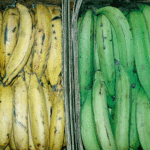
are some of the most recognizable fruits of the world. Here in Dominican Republic we love our bananas. These large, big leaved plants can produce many fruits. They taste better here in Dominican Republic because they are ripened right on the plant and not picked green like the ones shipped to other destinations. Choose a red, yellow or green banana/ guineo which can be eaten without cooking, or a green to yellow platano which needs to be cooked, nothing tastes better than getting it fresh.
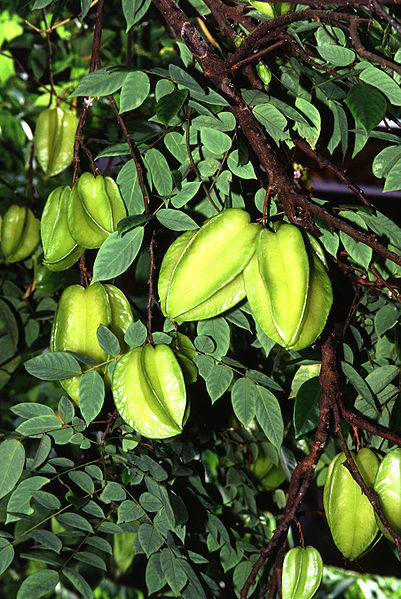
Carambola, also known as starfruit
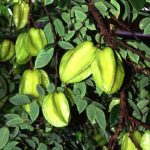
The entire fruit is edible, including the slightly waxy skin, unlike other tropical fruits. The flesh is crunchy, firm, and extremely juicy, having a texture similar in consistency to that of grapes.
Carambolas are best consumed when ripe, when they are yellow with a light shade of green. They will also have brown ridges at the five edges and feel firm. Overripe starfruit will be yellow with brown spots and can become soggier in consistency. Ripe carambolas are sweet without being overwhelming, and have a tart, sour undertone. The taste is difficult to compare, but it has been likened to a mix of apple, pear, and citrus family fruits all at once. Unripe starfruits are firmer and sour, and taste like green apples.
Carambola is rich in antioxidants and vitamin C and low in sugar, sodium, and acid. It is also a potent source of both primary and secondary polyphenolic antioxidants.
Tamarindo
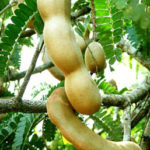
Tamarindo is a tropical fruit originating in East Africa but now exists in much of tropical Asia and Latin America, including the Dominican Republic. Its scientific name is ‘Tamarindus indica’. These fruits are like bags, containing a pulp and covered, and within them lie the seeds. The seeds can be scraped to speed germination.
The tree may reach up to 20 m tall. The leaves of the tamarindo are usually 10 to 18 leaflets.It is found in places with warm semi-dry, but can also thrive in warm humid climates. Their range of precipitation is 800 to 1,400 mm per year. It grows at roadsides and is common around homes. It thrives well in deep soil with good drainage, loam-textured clays and a PH of 6.5 to 7.5, can however vegetate in slightly acid soil, grow in relatively poor or limestone soils provided they give you a good fertilization and be counted water for irrigation in dry periods.
Tamarindo is a refreshing and tempering the digestive tract; ideal laxative for its taste and its effects. A small dose is used to combat the states of irritation of the digestive mucosa, for this purpose is frequently associated with other stronger purgatives, but irritating. At higher doses acts as a mild laxative effects, and even in some individuals serves as an excellent laxative.
Pineapple or piña

Riding from Santiago to Santo Domingo, you can see extensive fields with just pineapples. They taste sweeter here then the exported ones, because here they can ripen completely in the sun. The pineapple belongs to the Bromelias family.
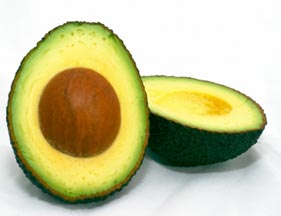
Avocado or aquacate

Is it a fruit or a vegetable? Nowadays Avocado is used much in the western kitchen too. The soft taste and the property to enrich the taste of other dishes have made the Avocado very popular. What’s crab without Avocado? In a salad with some onions and lemon juice? They also use it in hair lotions, shampoo and skin cream.
Season: There are 19 different varieties, for example Hass avocado which occurs all year or Popenoe harvested from May to July. The main export variety is Semil 34, which is harvested from October till February.
The production areas of avocado around the country are Cambita (San Cristobal), San José de Ocoa (Calimete in Elias Piña), Arroyo (Pedernales), Altamira (Puerto Plata) and Villa Trina (Espaillat province).
Bread of fruit or Pan de Fruta

This giant jungle tree is also foreign; Captain Bligh imported the tree from Tahiti to Haiti in 1773 (You can see this in the movie ‘Mutiny on the Bounty’). The tree has enormous leaves and carries green fruits with a hard structured skin. The fruit is peeled first and then fried in slices. It’s like a normal potato but it’s sweeter. The fruit is rich in vitamins A, B and C. One of the varieties has a big brown stone inside and you can roast them like a sweet chestnut.
Coffee or Cafe
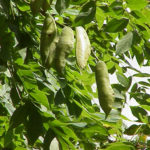
You come across these man sized coffee plants in the higher parts of the island. It takes nine months to grow from a little flower until the berries have ripened and can be harvested. The red berries are removed from the branches and the harvest will be about 2000 kilo per hectare. The berries will be stripped of their red fruit flesh. They will be fermented and afterwards washed and dried. The green coffee is then ready for export. The beans are ready to be roasted by the coffee importers . If a Dominican family invites you for a cup of coffee, it can happen that they offer you self roasted-coffee. Many farmer families roast their coffee themselves. They offer the coffee very strong in a small cup with a bit of cinnamon or nutmeg.
Cacao
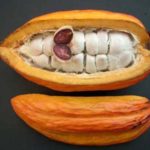
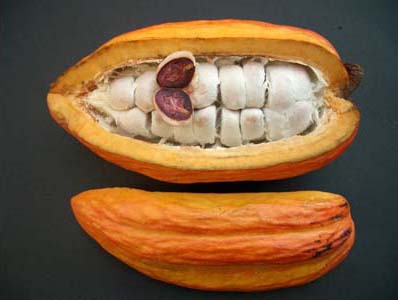
The name cacao is derived from the Indians who had already named it cacao. The Spaniards rightly estimated the value of this delicacy and soon started cultivating this tree. Cacao grows straight and fairly tall. The brown fruits, as big as your fist, hang down in between the leaves and branches. The flowers of the cacao tree bloom at night and are pollinated mainly by bats. The fruits then ripen in 5-7 months. If you cut the fruit open, you’ll see five rows of white kernels, or nuts, embedded in a white pulp. These nuts are removed and fermented for 3-5 days to get rid of the pulp. After this the beans are dried slowly, during which the beans oxidise and turn a dark brown colour. It takes around 20 fruits to produce one kilo of dried beans. But before you can use them the beans need to be roasted for 30 minutes at a temperature of 90-140 degrees Celsius, before being Cacao crushed and ground. The resulting cacao powder can then be used to make chocolate.
Cacao powder can also be pressed to separate the cacao butter from the cacao. Cacao butter is often used in cosmetics such as sun-tanning products or skin cream.
Cashew or Cajuil
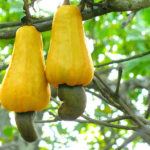
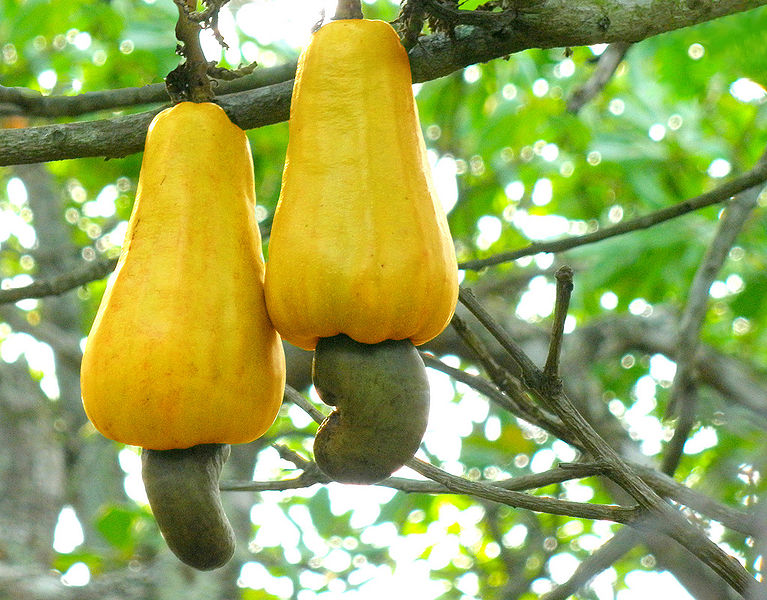
This is a tree that produces very large fruits. An extra piece (containing the ‘nut’) grows at the end of the fruit (the ‘apple’). The nut is obtained by roasting this kidney-shaped growth. The fruit itself is inedible. The nut has to be roasted otherwise it’s poisonous
The cashew nutshell liquid (CNSL), a byproduct of processing cashew, is mostly composed of anacardic acids (70%), cardol (18%) and cardanol (5%). These acids have been used effectively against tooth abscesses due to their lethality to a wide range of Gram-positive bacteria. Many parts of the plant are used by the Patamona of Guyana medicinally. The bark is scraped and soaked overnight or boiled as an antidiarrheal; it also yields a gum used in varnish. Seeds are ground into powders used for antivenom for snake bites. The nut oil is used topically as an antifungal and for healing cracked heels.
Coconut or coco
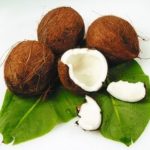
The coconut is undoubtedly the best-known fruit on the island. The coconut palm tree was introduced by the Spaniards from Africa and did not originally grow on the island. This large tree, with its distinctive crown of palm leaves, grows all over the island, even in the coastal regions where the soil can be very salty. The only areas where it cannot grow are the mountains and higher regions of the island. Here you only find deciduous and coniferous trees. The palm leaves are still used as roofing material, especially in the interior of the country.
The nuts ripen all year round. The fresh and absolutely germ-free coco milk is a tasty thirst quencher. But coconut is also used to prepare fish, meat and chicken. Just add a little rum and you’ll get the Coco Loco. It is also an important ingredient in your Piña Colada. Coconut is used in many dishes as well as in chocolate bars such as ‘Bounty’.
The coconut has a thick green skin, which is about an inch thick. This is necessary because when the coco is ripe it falls off the tree – and it’s quite a distance to the ground! Without this protective skin it would be smashed to pieces. Palm trees provide good shadow from the hot sun, but it’s dangerous to sit directly underneath, as you may be hit on the head by falling coconuts.
It takes 12-14 months for the fruit to ripen. After six months the fruit is fully grown, but the pulp still has to grow inside. Unripe nuts don’t have any pulp inside, they are just filled with a tasteless watery liquid. On the other hand, ripe nuts contain an inch-thick layer of solid pulp and a sweet oil-like liquid.
Coconuts are exported by the Dominican Republic. Farmers plant the trees with a distance of eight metres in between. The trees produce 30-50 nuts a year. Per hectare this results in a crop of 8000 coconuts a year.
The various parts of the coconut have a number of culinary uses. The nut provides oil for frying, cooking, and making margarine. The white, fleshy part of the seed—the coconut meat—is edible and used fresh or dried in cooking especially in confections and desserts like macaroons. Desiccated coconut can be used as an ingredient or to produce coconut milk which is frequently added to curry dishes and other savory viands. Coconut flour has also been developed for use in baking and to combat malnutrition.[43] Coconut chips have been sold in tourist regions like Hawaii and the Caribbean. Coconut butter is often used to describe solidified coconut oil, but has also been adopted as a name by certain specialty products made out of coconut milk solids or puréed coconut meat and oil.
Mango
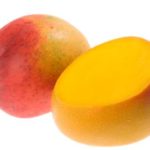
This popular fruit grows on a tall tree with a big crown of leaves and branches. If you break the leaves they smell like turpentine. The tree bears a lot of fruit every year, which grows to become as big as your fist. The colour varies from yellow to red. The ripe fruit is very sweet and fragrant. Mangos are also exported by the Dominican Republic.
In mango fruit pulp, the antioxidant vitamins A and C, Vitamin B6 (pyridoxine), folate, other B vitamins and essential nutrients, such as potassium, copper and amino acids, are present. Mango peel and pulp contain other phytonutrients, such as the pigment antioxidants – carotenoids and polyphenols – and omega-3 and -6 polyunsaturated fatty acids.
Season: Traditionally in the Dominican Republic they say that mangos are in season after Easter Week – in practice it is during May, and the season lasts until September. The trees are everywhere and laden with fruit.
June is mango month in the Dominican Republic.
Tip for picking mangos: A mango ripe for the picking will snap easily from its stem, if you have to pull too hard then it’s not ready.
Papaya or lechosa
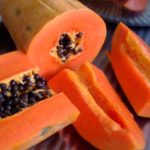
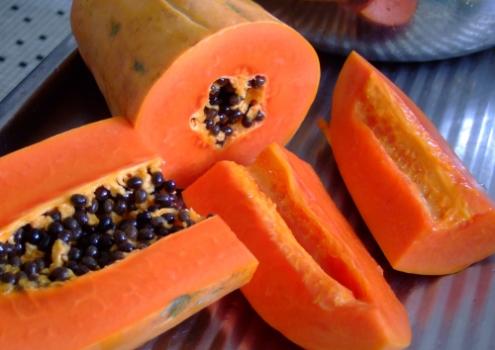
This is a fragile fast-growing tree that needs a lot of water. It has a crown of big leaves and produces oval-shaped fruits that hang from the trunk of the tree. When the fruits are ripe they are a light yellow colour with an orange-coloured pulp inside. Once a papaya is ripe it has to be eaten quickly. After a few days it will start to turn black and smell bad. But when they are fresh and ripe they taste delicious with a little lemon and sugar. The food industry often uses the juice from the skin as a flavoring. In America they use it in beer as a stabilizer.
Papaya fruit is a rich source of nutrients such as pro-vitamin A carotenoids, vitamin C, B vitamins, dietary minerals and dietary fibre. Papaya skin, pulp and seeds also contain a variety of phytochemicals, including polyphenols.The ripe fruit of the papaya is usually eaten raw, with or without skin or seeds.
Season: June – September. The Dominican Republic’s papaya production ranks fourth worldwide after India, Brazil and Indonesia.
Passion fruit or Chinola

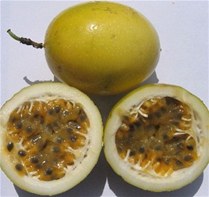
This is a climbing plant with shiny egg-shaped green fruits that turn yellow when they are ripe. When you cut the fruit open you see a yellow to reddish pulp that is full of black pips. This fragrant and delicious-tasting pulp can be eaten on its own or mixed into any kind of drink. It’s the nectar in many cocktails. These days chinola fruit juice is often mixed with other juices and exported to Europe and America.
Fresh passion fruit is high in beta carotene, potassium, and dietary fibre. Passion fruit juice is a good source of ascorbic acid (vitamin C)[9], and good for people who have high blood pressure.[10] Some research is showing that purple passion fruit peel may help with controlling asthma symptoms.[11] The yellow variety is used for juice processing, while the purple variety is sold in fresh fruit markets. The fruit contains Lycopene in the mature and immature pericarp.
Season: the whole year. When ripe the fruit is about the size of a tennis ball with a smooth yellow thick skin. Wait for the skin to get wrinkly and the inside will taste even better.
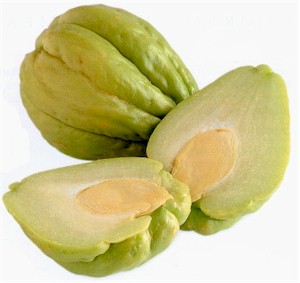
Tayota (Chayote)
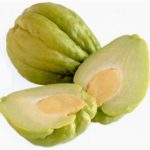
Tayota is a hard green and hairy bean-shaped liana fruit with a white pulp inside. It is used a lot in the local kitchens as a seasoning for fish or meat dishes. The fruit can also be cut into slices and soaked in sugar water overnight. The next day you have a sweet fragrant juice that children are crazy about.
The fruit does not need to be peeled and can be eaten raw in salads. Cooked or raw, it has a very mild flavor by itself, and is commonly served with seasonings (e.g., salt, butter and pepper in Australia) or in a dish with other vegetables and/or flavorings. It can also be boiled, stuffed, mashed, baked, fried, or pickled in escabeche sauce. Both fruit and seed are rich in amino acids and vitamin C. Fresh green fruit are firm and without brown spots or signs of sprouting. Smaller ones are more tender.
Lime / limon
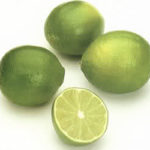
The common lime eaten in the DR is of the Persian lime variety. The scientific name is Citrus × latifolia. As lemons (Citrus × limon) are less common, they are called by the more descriptive name of limón amarillo.
In Spain, where lemons are much more common than limes, lemons arelimones and limes are limas, and this is confirmed by the Real Academiadefinitions that describe limones as yellow and limas as green. The origin of the word “lemon” is thought to be Middle Eastern, from the Arabiclaymun and from the Persian limun, the generic term for citrus fruit. The actual fruit originated in Asia and it is said that Columbus himself brought the first seeds to Hispaniola in 1493.
Lemons are a sub tropical/tropical crop but they rarely appear in markets and supermarkets in the Dominican Republic.
In Dominican cooking, limes are used in juices like jugo de avena and morir soñando, and in marinades for chicken and fish.
Orange (“china”)
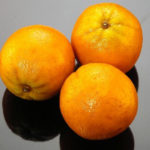
Oranges are known as ‘chinas’ in the Dominican Republic because they come from China. The sweet delicious juicy orange eaten all around the world was born a sour fruit, growing wild in China. Dating back thousands of years, the orange was probably being cultivated by the Chinese by 2500 BC. The orange first ventured across the Atlantic Ocean in 1493 with Christopher Columbus. Columbus carried seeds of the orange, lemon and citron, or possibly young trees, from Spain’s Canary Islands to the island of Hispaniola, today shared by Haiti and the Dominican Republic. Soon several of the Caribbean islands were raising oranges, whether sweet or sour or both.
Oranges do not necessarily have to have a bright orange color to be good. Oranges that are partially green or have brown russetting may be just as ripe and tasty as those that are solid in color. Avoid oranges that have soft spots or traces of mold.
Although oranges are grown nationwide, the major inland production zones are: Hato Mayor, Higüey, San Francisco de Macorís, Santiago, Puerto Plata, Bayaguana, Monte Plata, San Cristóbal and Cambita. The main grown varieties in the Dominican Republic are: Valencia, the Creole and the Pineapple oranges, which are eaten fresh and enjoyed as juice. Also produced is the Washington Navel variety, which is consumed fresh.
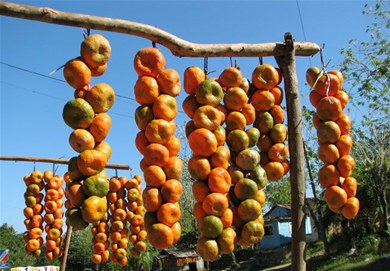
Mandarin
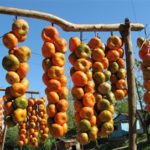
A tangerine or mandarin. These can be found January thru February and November thru December in the Dominican republic. It’s a very juicy, and fairly sweet fruit, normally colored green/orange.
As in oranges, Tangerines too are very low (53 calories/100 g) in calories. Nevertheless, they are valuable sources of flavonoid anti-oxidants like naringenin, naringin, hesperetin, vitamin A, carotenes, xanthins and luteins; in fact, several times higher than in the oranges. In addition, the citrus fruits are very rich sources of vitamin-C (ascorbic acid), a water-soluble vitamin. Vitamin-C is one of the powerful natural anti-oxidant, which play vital role in collagen synthesis, wound healing, anti-viral, anti-cancer activity, and help prevent from neuro-degenerative diseases, arthritis, and cold/fever…etc., by removing oxidant-free radicals from the body. Vitamin C helps absorb iron in the food by reducing ferrous form of the iron elements to easily absorbing ferric form inside the gut. Further, they contain natural soluble and insoluble fiber like hemi-cellulose, pectin…etc., which prevents cholesterol absorption in the gut. Adequate fiber in the food aids in smooth bowel movements by acting as a laxative.
Grapefruit (Grei-fru o Toronja)
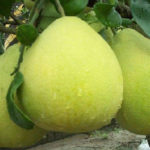
Grapefruit is a citrus fruit, known in some countries as pomelo or grapefruit; It is a hybrid of a citrus and orange. Red grapefruit or grapefruit were caused by a mutation of the white variety, the red color is due to its antioxidant content which is higher than the white variety.
Grapefruit has a wide acceptance among people as consumers of this fruit property attributed to lose weight and reduce high blood pressure. The truth is that grapefruit, especially the red variety, helps reduce blood cholesterol precisely because of its antioxidant property, as recently demonstrated an Israeli study.
Grapefruit as a whole is known for its great benefits. The extract from the seeds is used as remedy against fungi, the infusion made with its flowers is used as a treatment for insomnia. Grapefruit stimulates the digestive tract and have also been attributed diuretic properties. The pulp for its acidic properties used to treat urinary infections and containing pectin can help reduce cholesterol.
Acerola / barbados cherry / cereza
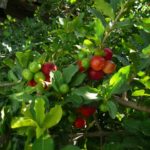
There are 11 types of different cherries in the world; in Dominican Republic we have the Prunus and p. avium cherry. It is very appetizing because of it’s flavor and its medicinal properties. These cherries are more acidic than the cherries we are accustomed to use in desserts, but they are still delicious and ideal to make juice and sweets. Normally, from your cereza tree you can harvest plenty of fruit. After a great harvest there is nothing better than a cold glass of “jugo de cereza” in the terrace.
Medicinal Property of the fruit: Urinary Problems: Such as cystitis, pielonefriis and the kidney stones will receive much help with the fruit and the infusion of the peduncles. Chronic Constipation: It has a laxative and invigorating effect of the digestive tract. In people with Diabetes: The carbohydrates or sugars of the cherry, fructose and levulose are so easily assimilable. People with diabetes can eat this fruit without major problems. Season: Cherry trees only bear fruit from June to July.
Source: www.colonialzone-dr.com, www.dominicancooking.com
Updated Jan 31, 2017

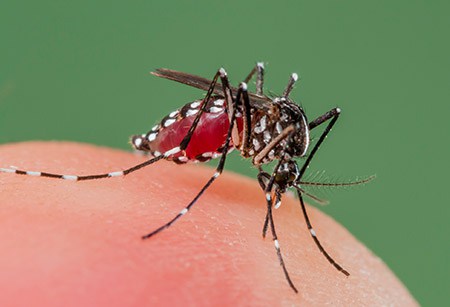
Dengue fever also known as breakbone fever, is an infectious tropical disease caused by the dengue virus. Symptoms include fever, headache, muscle and joint pains, and a characteristic morbilliform skin rash. In a small proportion of cases the disease develops to the life-threatening dengue hemorrhagic fever (bleeding, low levels of blood platelets and blood plasma leakage) and dengue shock syndrome (circulatory failure).
Dengue is transmitted by several species of mosquito. The virus exists in four different types; infection with one type usually gives lifelong immunity to that type, but only short-term immunity to the others. Subsequent infection with a different type is believed to increase the risk of severe complications. As there is no vaccine, prevention is sought by reducing the habitat and the number of mosquitoes and limiting exposure to bites.
Treatment of acute dengue is supportive, using either oral or intravenous rehydration for mild or moderate disease, and intravenous fluids and blood transfusion for more severe cases.
Precautions: The bites only happen to about 100 tourists a year in Dominican Republic. The resorts usually spray for mosquitoes often so there are little to none to be seen. The country also sprays to rid the island of these nasty little creatures. Just use some DEET type of bug spray. A fan usually helps keep them away as their light weight bodies can’t fly into the wind. They are more prevalent in areas where there is standing water. Do not leave water in containers outside.
Malaria is a serious and occasionally fatal disease. It is caused by a parasite which is spread to humans by infected mosquitoes. There is no vaccine available against malaria. People with malaria often experience fever, chills, and flu-like illness. Left untreated, they may develop severe complications and die.
There are occasional reports of cases of malaria in areas frequented by U.S. and European tourists including La Altagracia Province, the easternmost province in which many beach resorts are located. Malaria risk is significantly higher for travelers who go on some of the excursions to the countryside, or visit relatives in a country side.
Malaria can be cured with prescription drugs. The type of drugs and length of treatment depend on which kind of malaria is diagnosed, where the patient was infected, the age of the patient, and how severely ill the patient was at start of treatment.
Taking Anti-Malaria Tablets
It should be noted that no prophylactic regimen is 100% effective and advice on malaria prophylaxis changes frequently. There are currently five prophylactic regimens used (A,B,C,D & E), due to the differing resistance that exists by the malaria parasites to the various drugs used.
Start taking the tablets before travel, take them absolutely regularly during your stay, preferably with or after a meal and continue to take them after you have returned. This is extremely important to cover the incubation period of the disease. Read more about malaria here
For the Dominican republic it is not necessary to take preventative anti-malaria drugs, especially for children, as the drugs may have many side effects. Since the occasion of malaria doesn’t happen often over here, in case if you happen to fall sick with malaria, then within first 72 hours you can take a prescribed drug to start curing yourself, for this you need to establish a case of malaria by a doctor.
As much as there has been many cases across the country, then it is far between hearing of anyone you know that got Dengue or Malaria.
General precautions include ensuring that there’s no still standing water around where you live I.e. Buckets, containers etc… and should you live somewhere where they are proned to be, wear clothes with long sleeves in the evening time, use fans and conditioners in a room, then use DEET repellent and keep mosquito screens closed during hour when they typically come out I.e. Night time, note that dengue mosquitoes typically bite during day time.
Source: NPN

Private Practitioners:
Choosing the right doctor in the DR is very important, so be sure to ask several people about who they recommend or their feedback on one
you are contemplating. If you ever get medical advice that shocks you I.e. that a condition you have is far more serious than what you
expected, then make sure you get a second or third opinion before taking the prescribed medicine or treatment. The old rule is “if it sounds too good to be true, then it normally is!”. In our NPN business Directory you can find GP’s, however it just depends on where you are located whether they will be suitable.
Health Insurance:

Insurance here is relatively inexpensive, however if you believe that you will have very few smaller medical problems in a year, then maybe
it can pay just to ensure yourself for emergencies or health issues that would cost over a certain amount for that treatment, and then take
care of paying yourself for smaller treatments I.e. blood tests, urine tests etc….
Hospitals:
Choosing the right hospital is again very crucial, as some have doctors who are brilliant and others some that are known to have made patients health much worse, caused deaths or simply just trying to keep you in there with ongoing tests and treatments to make as much money from you as possible. The ones to quickly get out of, are the ones that try to avoid being clear about their prices are, or their recommendations are far fetched. Don’t feel embarrassed to ask what it’s going to cost based on various possible treatment scenarios – if they find questions uncomfortable, then it’s normally because they are unqualified or up to tricks to make money from you. Especially be careful with some of the private hospitals, as they are known for conducting bad practice and retain incompetent staff. Follow your instincts!
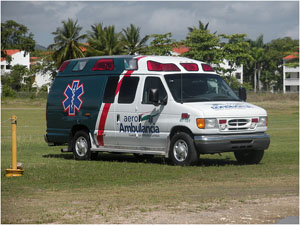
Emergencies and Ambulances:

In case of emergencies, be prepared that before hospitals will treat you, they will demand that you or someone who’s with you, will cover
the bill for the operation/s and treatment. Be aware that the Dominican Republic is not a welfare state, so don’t expect that you will be “rescued” unless they know they’ll get paid for their work and materials – to them it’s their direct income when you pay. On the North Coast – here’s one number for an ambulance service: 809-412-5555 but ask around for more numbers when it’s clear where you are going to reside.
Preventing Accidents and Illnesses:
* Touching sea life and corral: Be careful not to touch any sea life or corrals when you are either swimming, snorkeling or diving, as the sea life here are not all just harmless gold fish. Many fish and sea urchins have poisonous spikes and others will attack if provoked. Also be careful where you step as many tourists or locals here have had very painful foot or leg surgeries getting long black spikes taken out from the local sea urchins that crawl along the bottom, especially near rocks and reef.
* Chose a clean beach: Unfortunately many Dominicans are under-educated in regards to protecting the environment and themselves. Many throw rubbish, glass bottles and other objects wherever they finish with their drinks and snacks. So stepping on broken glass, syringes or sharp metal objects are always a risk in such a beach.
* Watch out for unsafe objects: In the DR, the safety standards are much lower than in I.e. Europe, USA etc… which means one always have to use ones awareness and instinct. It’s not unusual to fall or drive into a deep hole because no-one cared about covering it up with a safe lid! Watch “live” electrical wires or exposed panels in commercial buildings, homes, from street posts or hanging down from above. Also you’ll find that trades people in the DR can be very sloppy by leaving metal wires or other materials sticking out from lamp posts etc… Sharp edges are rarely thought of as dangerous, so be careful about what’s around you in this regards I.e. glass table with unpolished edges etc… Be careful of slippery tiles! Only recently you’ll find a few tiles coated with “slip proof” surfaces, but as these cost more and because some of the unsafe tiles often are better looking, then these often end up in bathrooms, on stairs etc… and once wet they become lethal to walk on.
* Beware of poor electrics: One thing to check if you either rent or buy a place here is the size of the breakers used for power points, various appliances as well as the general set-up of the property’s wiring. Many toddlers here have been electrocuted to death because there was either no breaker in place or the breakers “Amp’s” where too high to cut off the power in time, when these little toddlers got curious and stuck metal objects into power outlets. Maybe get a highly recommended foreign electrician to check your panel and breakers before moving in (especially if you have small children).
* Swimming pools and kids: Every year hundreds of children drown in pools in the DR. Be aware that safety fences are still not seen hardly anywhere, and it’s not required by law either. So always have an adult accompanying the child in the pool. Many of the drownings actually happen when parents assume that because there are plenty of people in the pool, then “surely someone will save little Julie if she’s in trouble”, however busy pool activity and noise often drown out cries for help or a child who suddenly “goes under” – so since you love your children be responsible and get off the sunbed to protect them in the water or live with a lifetime of regrets! (Parents do your resting at the hotel or at your home!)
* Unpredictable drivers /accidents: Over here they say you need eyes in your neck as well to survive on the roads. Dominicans and Haitians typically live life on the edge every day, so when driving don’t be surprised to encounter people overtaking in the most insane moments. They are also well known for ramming the brake on without any care for what’s coming from behind. Motorbike drivers have literally been beheaded hitting the back of trucks who suddenly braked or parked out on the road, so either overtake them or keep your distance! Then you’ll also find people pulling out from “no-where” or many egocentric motorbike drivers drive on their rear wheels, and this also caused many accidents. At night be careful as 90% of drivers here won’t be bothered lowering their headlights for you even when you flick
your high beam at them – this is dangerous as now you can’t see all the motor bikes who are heading in your direction who mostly don’t have
any rear lights or pedestrians walking on the roadside in pitch darkness thinking they are walking reflectors!
* Potholes and animals: Be careful of the many potholes on the roads here, especially when you’re on a motorbike or even worse when on a
scooter with small wheels, as they sink deeper into the pot hole and can cause you to have a nasty crash. Also be aware of the many animals
running loose both during day light and through the night. If you travel at a high speed whether on straight or windy roads, it’s quite
possible to ram into a donkey, cow, horse or other animal running loose.
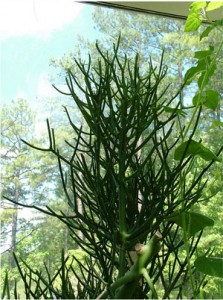
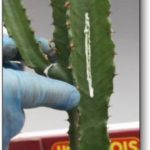
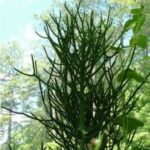
* Cacti and Plants: Be careful about which plants you or your children touch here, as some of them will give you a nasty skin rash or
prickle you with poisonous spikes. Also watch what berries your children consume as some are definitely not for eating. The cactus in the pictures above can damage your eyes as they have poisonous milk (Pencil Cactus and Euphorbia candelabrum).
Source: NPN


If you plan to move to to the DR, then it’s important to realize that there are the “Have’s” and the “Have not’s”. It’s a third world country and if you leave yourself open to be mugged or robbed, then the chances are high that you will be! Typically if you’re white, then you’re considered rich in many locals eyes (even if you’re struggling to get by).
Make sure that you check out the various residential areas before you accept a villa or apartment. Most foreigners will give you their run down on what security measures they are taking to secure themselves and their belongings in each specific town or area. Gated communities usually have security guards which you pay for either through your rental agreement or separately.
Unless the Gated Community is paying top dollar for a security company which has modern communication tools, a tight system and great screening then you can normally expect that the level of quality is much to be desired. Guards are only getting paid anywhere between 6-10000 pesos per month and it’s quite common to catch them sleeping at night. Most robberies are either linked to the security guards or done directly by them. So often when community’s want joint security rather than individual security, then it’s like “The wolves looking after the sheep”. If you plan to secure a villa, then often the best security is what you provide yourself.
Here are some tips:
* As most burglary’s are inside jobs then be extremely picky on who you hire as a guard, house keeper, nanny or gardener (if you can handle it
yourself, then that is often safer). Individuals looking for work have an amazing ability to come across as angels, when only a small percentage are. If
you hire based on recommendation, then be sure that the person who recommends the potential staff member is someone you would trust with the title to your
house! In other words many scams happen here where even the recommending person is in on the robberies – so be very careful when recruiting!
* Keep it to your closest friends if you’re throwing a party or if you are going away for the day – a weekend or for a while. Be very careful who comes into your property I.e. prostitutes, moto-concho’s, taxi drivers, cleaning staff and police are renown for casing your place, and then soon after you get burgled (often by police with masks). If someone you don’t know asks you where you live, be vague in your answer I.e. “Cabarete” and quickly bounce a question at them to get off the topic. If they persist, then simply say – “with all due respect (name) – I prefer to get know people for a while before I entrust where I live as too many bad things happen in this area – I hope you understand!”. If they don’t understand or respect that, then that should be a warning sign in itself.
* Get a Legal weapon with license – on the North Coast we recommend the arms dealer opposite Casa Nelson in Puerto Plata. A shotgun & license cost
from RD32000 and upwards depending on the model. Both rubber and normal shells can be purchased.
Hand Guns are twice the price or more and require yearly taxes paid on them. Be careful of a common scam which can get you into a very messy and costly situation, which is buying a second hand gun through some amigo who’s got some other great amigo with an unlicensed weapon. Often they sell you the gun or shotgun for a cheap price and next they dob you into the corrupt police who then throw you in jail, and now you have to
pay some insane amount to get out again, which all the culprits get a piece of – just not worth the risk! Often it’s the people who come to you with some offer that’s got a scam up their sleeve. If burglars know you have weapons and they have seen you leave your property, then they will try to burgle you to get the weapons. With “fast in and out” burglaries, they are usually after cash, jewelry, lap tops, weapons or other small stuff that can be carried on a motor bike and resold in a hurry.
* Ensure your property is well fences to make it hard for burglars to enter, and even add other materials on top if you can stand looking at them – also sensors or cameras can be erected to make it even more secure. Some even have metal bars on all windows and doors, but again it depends on where you are living and how secure you wish to be and if it makes you feel jailed by doing so.
* Get 2-3 dogs. Two for outside – especially spaded females are very protective and on alert, where male dogs often get lazy after a couple of years. Get one for
inside as your live “indoor alarm system” for when you are sleeping. Maybe get a small dog who will bark his head off if it hears something going on outside. This little fella might just save you in case burglars poison the outside dogs followed by them entering your yard.
* Keep as little cash or valuables in the house as possible and DON’T build a safe. Either a construction worker or a maid will know or find out you have it,
and this slips out among their friends who tells someone else about this “treasure chest” or they get involved in arranging a burglary with someone they
know.
* As a foreigner, avoid getting into vulnerable situations I.e. walking in the wrong neighborhood or street especially at night. Or walking in a
remote area where you could be attacked. Buy a small can of Mace (Pepper spray) and maybe carry a weapon as well if you do have to venture out of the public’s
eye. Most attacks and burglaries are coward attacks. When challenged, most locals take off, as they were not really looking for a fight, but instead an
easy financial catch. If you come driving at night and you ever have someone jump out in front of you with a gun, then try to run him over or at least avoid stopping and get away from him. May sound harsh, but it’s either you or him that ends up unlucky!
* Don’t flaunt your stuff, money etc… – here it’s not so much admired but rather envied and chased! (Down play your income if you are doing well, as this can make them come for your stuff as well)
* Like anywhere else in the world, lock your car, steering lock, house, gate etc…
* If you ever think of calling the Police, then try to get an experienced “friend” with the right connections to help you out, or they will try to extort money from you to substitute their low wages!
The good news is that in general it’s quite safe to move around when you are in the eye of many people I.e. in towns, near shops,
restaurants, schools etc… just use common sense and if you are ever followed by someone in public, then turn around and challenge them confidently I.e. “Que Passa?” and 99% of the time they will move on, as they don’t want public attention.
Source: NPN
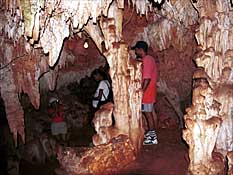
CABARETE CAVES
Bordered by the foothills of the Cordillera Septentrional to the south and the Cabarete Lagoon to the North, the park guards 77 square kilometers (48 square miles) of pasture land, lagoon, jungle, tropical plants, Caribbean birds, caves, and abruptly jutting hills. Many of the freshwater springs encountered in the park have subterraneous origins deep in the belly of the earth.
Unlike much of the Lesser Antilles islands, the majority of the Dominican Republic does not have volcanic origins. The subtle collision of tectonic plates below the Earth’s crust around 50 million years ago pushed the ocean floor up in jagged points. Years of erosion have rounded the points giving the foothills seen from Cabarete the appearance of a green upside-down egg crate. Once in the park, it is obvious that these hills are actually old coral reefs.
An area of astounding beauty and many hidden secrets, the Area Protegida Cabarete and Goleta should not be missed. Accessible from either end of Cabarete, a visit can last from just a few hours to the entire day. It is VERY easy to become disoriented in the park due to the dizzying maze of unmarked footpaths and the extremely lush vegetation. We highly recommend that your first visit be with a reputable guide company. The funky named and internationally renown, “Iguana Mama”, leads 1 hiking and 3 mountain bike trips in and around the protected area. At the Callejon entrance, there is also the Cabarete Caves Company, which offer 1.5 hour tour suited for all ages. It leads through
impressive areas and hillls accomanied by very interesting explanations.
HOW TO GET THERE: While there are several dirt paths and small rocky mule trails leading into the Area Protegida Cabarete y Goleta, there are two main entrances. Located on the eastern side of Cabarete at the end of the “Callejon de la Loma” road, about a 15-minute walk from the center of town, visitors may gain access to the park at the “Cabarete Caves” office. For a more remote experience, a 5-km (3-mile) ride in guagua or carro publico heading west out of town will bring you to the roadside community of Islabon. Just before the
Islabon bridge, a small road proudly bears the sign “Area Protegida Cabarete y Goleta” at its entrance on the right-hand side. A 5-minute walk brings you to the park entrance. Visitors should expect to pay RD$50 per person to a National Park official for admittance at both entrances.
Cost of the tour: $20 Adult, $10 Child (smaller children can go free). Open every day.
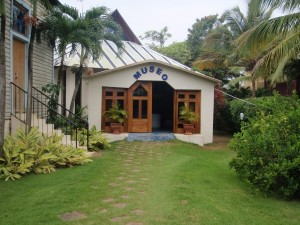
THE JEWISH MUSEUM OF SOSUA (MUSEO JUDEO)
In 1938, when no other nation would welcome Jewish refugees, Rafael Trujillo, the Dominican Republic strongman, offered to take in 100,000. Between 1940 and 1945, 5,000 Dominican visas were issued, but only 645 Jews actually made their way to the Dominican Republic. The refugees settled in the tiny seacoast town of Sosua, then just jungle land, that Trujillo had established with funding provided by the American Jewish Joint Distribution Committee.
Upon arrival, every new Jewish settler was given 80 acres of land, 10 cows, a mule and a horse. Although most of the settlers were German or Austrian Jews and had professional or craftsmen’s backgrounds, they quickly picked up the agricultural life offered by Sosua and established a successful Jewish cooperative—Productos Sosua—that today produces most of the county’s meat and dairy produce.
Trujillo’s generosity probably stemmed mainly from his eagerness to have the Western nations overlook his brutal massacre of 25,000 Haitians in 1937, and his desire to “whiten” his race. He believed that the young European men would marry Dominican women and produce light-skinned offspring. He was correct in this in that most settlers were single young men who did marry Dominican women. The children usually considered themselves Jewish and many stayed in Sosua.
Today, only about 30 of the original Jewish families remain in Sosua. By the 1940?s, most of the nearly 700 inhabitants had moved to either New York or Miami. Although no longer in the Dominican Republic, the Sosua Jews have maintained a tight-knit community. Until 1980, the town was still entirely Jewish; however, with the opening of the international Puerto Plata airport four miles west of Sosua, the village has turned into a major beach resort.
Today the town has 3,000 full-time residents, with about 70 Jews. Those who did remain in Sosua and held onto their land, have made a fortune. Erik Hauser, an original settler from Vienna, now owns an entire block of the lucrative downtown area, where hotels and restaurants were built on his original 80 acres. He is Sosua’s wealthiest resident.
Sosua has one functioning synagogue that holds services every other Shabbat and on the High Holidays. Passover Seders are held in community members homes and an annual Purim carnival is a major community event. The small Jewish community also has a museum dedicated to preserving the history and story of the town’s original Jewish settlers.
Some expats say that the name of the town Sosua comes from the legend: “The first Jewish man to arrive here was named Joshua, but none of the locals could pronounce it correctly. They would say they were going over to Josua.” – Sosua.
The Sosua Synagogue has a museum with photos and memorabilia of the first Jewish settlers. You can also attend services there.
The Jewish Museum ( Museo Judio ) located next to the Casa Marina Hotel
To be continued…

SOSUA OCEAN VILLAGE CASA CLUB
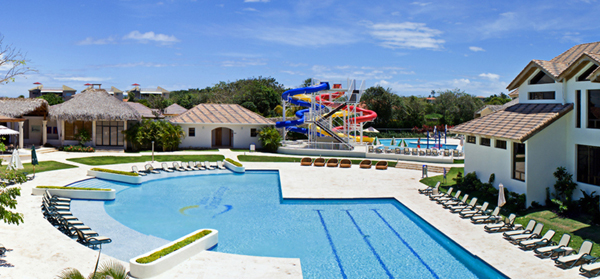
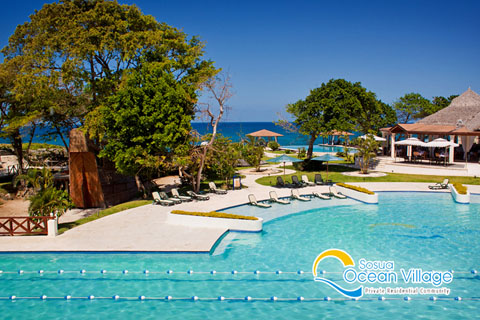
Family recreation club Sosua Ocean Village Casa Club is the true jewel of this high-end residential community. Here all family members can enjoy themselves without leaving the territory of the complex! Adults will make a day of it in the fitness center or in the spa. Children will have a blast at the water park and kids’ playground. A wonderful restaurant and a big pool with a 25-meter long swimming section are at full disposal of all family members. Planning to celebrate a birthday or a wedding? At Casa Club they can create a special menu to better suit your wishes and offer several event spaces. You will have the time of your life here at Sosua Ocean Village Casa Club!
Restaurant Al Porto and Sports Bar
Al Porto restaurant offers varied and delicious dishes of Italian and international cuisine. Two kiosks on the sides of the infinity pool create an ideal environment for a romantic dinner for two or a small family celebration!
Sports bar is a perfect place to host your friendly get-togethers and cheer for your favorites over a glass of beer, watching the progress of sports events broadcasted on six screens.
Fitness centre Gold’s Gym
A fitness center up to the world standards with state-of-the-art exercise machines. The best fitness center in the Dominican Republic where you can enjoy gorgeous ocean views during your workout! Boxing, spinning, different kinds of aerobics and many more!
Spa salon
Treat yourself to a little indulgence! Sauna, massage, manicure, pedicure, hairstyling…. all you need to relax and unwind, refresh yourself after a day of outdoor activities or get a completely new look!
Water park and kids’ playground
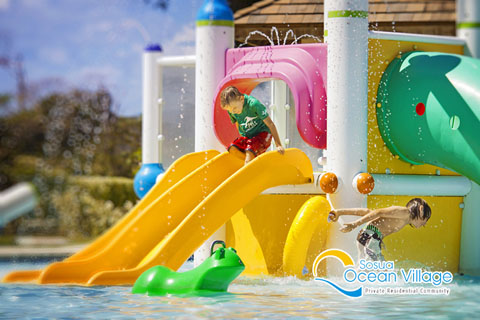
Your children will be fascinated with water slides, floating pads and other attractions in two pools right next to each other. You can rest assured that your kids will not only be observed by you but Casa Club’s lifeguards will keep a watchful eye over them as well. There is a playground with swings, ‘dry slides’ and carousels in just a hop, skip and jump from the water park in case kiddies get tired of frolicking in the water.
Day pass (gives access to Water Park, Pools and Playground):
Adult – US$10; Child – RD100
Sosua Ocean Village Casa Club offers a wide range of services for pleasant and comfortable recreation of the whole family that is unique on the North Coast of the Dominican Republic!
Sosua Ocean Village
Carretera Sosua-Cabarete, km. 2, Sosua
Tel: +1 (809) 571-21-66
Web: Sosua Ocean Village Casa Club
FUN CITY ACTION PARK – GO-KARTS

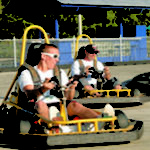

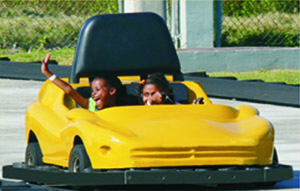
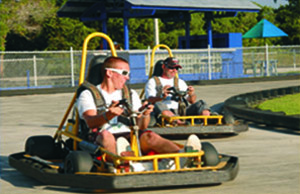
Welcome to Fun City Action Park in Puerto Plata. The largest and finest recreational go-karts center in the Caribbean. With 3 great tracks (Cyclone, Grand Prix, Sprint 500) and over two dozen of go-karts in three varieties Fun City is the favourite place for fun for the entire North Coast of the Dominican republic and beyoned.
PARKS TRACKS:
CYCLONE TRACK – challenging European style road course with 8 turns and speed reaching 50 km/h.
SPRINT 500 – oval shaped, high banked, extremely competetive track, replica of real Sprint Cars racing
GRAND PRIX – features single and double-seated karts that can accommodate an adult and a child. Track has 10 turns for more fun.
Parks tracks are open rain or shine … a little water can’t stop the action. Park also has bumper cars, children playground and pitcher challenger.
PRICES:
RD70 – RD100 for one round, or
UNLIMITED RACING PACKAGE
(Ride all tracks and bumper cars as many times as you like without limit):
Adults (12+ years old) US$25
Children (4-11 under 48?/122cm) US$20
Infants (less than 4 years old) FREE
Includes:
– Taxi transfer with 2 people or more comig to ride
– Snack and soft drink
– Your photo in “Fun City”
PARKS HOURS:
Monday – Friday: 10am – 6pm
Saturday – Sunday: 10am – 9pm
Fun City Action Park
Carretera Puerto Plata – Sosua, km 8 1/2
Puerto Plata (before Playa Dorada if coming from Sosua)
Tel: 809-320-1031
http://www.funcity-gokarts.com/
To be continued…