DR Living
A trip to such a beautiful corner of the world as the Dominican Republic, among other things, is also good for the fact that citizens of the Russian Federation do not need to apply for a visa. More precisely, in order to freely enter the Dominican Republic, you will need to have a valid foreign passport and tourist card, which is issued at the point of arrival.
The validity period of the card is 3 months from the moment of crossing the border control. The fee for processing the card is $ 10 at arrival and $ 20 at check-out. From the payment of the fee, children under two years of age and passengers who cross the Dominican Republic in transit are exempted.
Crossing the border with the Dominican Republic, it must be remembered that a passenger has no right to import into the country’s territory more than 500 grams of coffee, 1 liter of low-alcohol drinks, two perfume bottles, each of which must be printed, 200 cigarettes, gifts and personal items, which does not exceed 100 US dollars. Dominican territory is prohibited from importing agricultural, animal and garden products, as well as narcotic drugs. In addition, there are restrictions on the importation of certain medicines.
In the Dominican Republic there are no problems with transport – everyone can use the services of public transport or taxi. In the latter case, it is important to take into account some local peculiarities: taxis are not equipped with taximeters, since fixed tariffs are established in cities, depending on the points of movement.
If you want to bargain – use the services of private carriers rather than taxi, with whom you can agree in advance on lower prices. If you do not want to depend on public transport and taxis, use the services of local car rental companies.
This is an expensive pleasure, but it’s much more convenient to drive a car. However, in order to take car rental , you must be over 25 years old, have a credit card, an international driving license, and an insurance.
If you want to learn more about how to take a trip to the Dominican Republic, you can find more accurate information on republica.pro. Give yourself an unforgettable trip!
Beautiful hotels and landscapes of the Dominican territories will not leave you indifferent for a second and will give you only an unforgettable experience.
On the Rights of Advertising
https://republicapro.com/
JOHANNESBURG – From beer gardens to health hubs and cosy living rooms, airport lounges today have evolved far past the glorified waiting rooms with kitsch sofas they once were.
Euan McNeil, GM at FCM Travel said, “At a time when traveller friction is taking its toll on travellers, airports have started to recognise that they need to up their game if they want to be the first choice for frequent flyers.”
“Where they can, airlines and airports are creating beautiful spaces with natural light and unique touches. These destination lounges are making travel smoother and more comfortable for road warriors and should be on the radar of every South African company that wants to reduce traveller friction.”
FCM has rounded up four unique lounge experiences that could offer corporate travellers much-needed moments of tranquillity during their busy travel journeys.
“An open air natural oasis in the midst of the airport chaos can be the perfect antidote to traveller friction,” says McNeil.
Delta’s Sky Clubs at JFK’s Terminal 4 and Atlanta’s Concourse F are very literally providing travellers with a breath of fresh air with their ‘Sky Decks’. The ‘Sky Decks’ are outdoor mega-patios, designed by Thom Filicia, and feel somewhat like being on a roof-deck at a metropolitan hotel.
In Munich in Germany, the VIP Wing airport lounge also treats travellers to fresh air with an ‘open-air’ Bavarian beer garden where travellers can relax and enjoy a last sip of the Bavarian culture before continuing on their journey.
Outside swimming pools are also big plus for stressed-out travellers on long layovers. The Dominican Republic’s Punta Cana International Airport has revealed that its brand-new VIP lounge will feature an outdoor infinity-edge pool. A dip in the water puts travellers on almost the same level as the planes parked on the runway below.
And although not in the open air, one of the highlights of the new Senator Lounge at Vienna Airport in Austria are the real Austrian beech trees, which are preserved using a special preservation technique and evoke the culture of Austria.
Cultural Immersion Lounges
Cultural immersion trips continue to gain in popularity throughout the world, and the concept has now also found its way into airport lodges.
The SATS Premier Lounge Terminal 2 at Singapore Changi International Airport is known for immersing its guests in Singaporean culture with displays of real orchids, Peranakan porcelain and artwork depicting local scenes. The lounge hosts regular cultural events to ensure that visitors are treated to a unique experience every time they enter the lounge.
For travellers wanting to soak up French culture, Air France recently completed the first phase of the renovation and expansion of its business class lounge in Terminal 2 (T2) at Paris-Charles de Gaulle Airport. The renovated lounge features an open kitchen designed in the style of a Parisian brasserie.
“Airport often start to feel as the road warrior’s second home,” says McNeil. “The good news is that now road warriors can relax in ‘cosy living room’-style lounges that will feel like a home-away-from-home.”
The Almost@Home Lounge in Helsinki Airport, allows travellers to cook in a real kitchen or enjoy a drink from the wine and spirits bar. The lounge also features loft style homey seating areas that will make travellers feel like they’re in a friend’s apartment. The only difference? Here they can raid the cabinets without running the risk of ruining a friendship.
Tallinn Airport Business Lounge at the Lennart Meri Airport in Estonia is another example of a lounge that has been designed to give travellers the feeling that they are waiting for their flight in the comfort of their own living room.
The latest example of a ‘cosy’ airport lounge is Cathay Pacific’s ‘The Deck’ at Hong Kong International Airport, which will open its doors on March 22. The lounge promised to emulate a contemporary living room environment of understated luxury.
Health Experience Lounges
“Travellers today don’t want to eat junk food and sit still for hours on end. They want to feel rejuvenated and eat healthy foods… and airport lounges have taken notice,” says McNeil.
Virgin Atlantic pioneered the idea of offering spa treatments to passengers in its London Heathrow Clubhouse more than 25 years ago. Since then, the airline has kicked things up a notch with its Bumble & Bumble salon, Dr. Hauschka skin-care swag, and Truefitt & Hill men’s products.
Also Air France’s new business class lounge in Charles de Gaulle features two private saunas, a relaxation area furnished with loungers and mini-suites; a detox bar with a selection of fine teas to improve health and wellbeing; and two private cabins where guests can book facial treatments with Clarins beauticians.
At Dubai International Airport, Emirates Business Class Lounge at Concourse B, travellers are treated to a barista experience in partnership with Cost Coffee as well as a Health Hub with Voss water featuring ‘healthier’ dining and drinking options.
Although the wear and tear on frequent business travellers cannot be fixed by offering lounge access, these modern conceptual airport lounges can go a long way in making business trips more pleasant and even fun for road warriors.
“Preventing traveller friction and ensuring your road warriors health and well-being whilst travelling should be a top consideration in your corporate travel programme.” concludes McNeil.
Source: Business Report Online
March 27, 2018
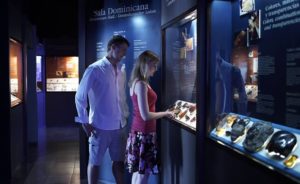
The resin produced by of ancient trees, all processed by the weather and thousands of years, has turned the Dominican Republic into one of the very few places in the world that has significant deposits of amber stones, one of the most beautiful and best valued treasures found in the Caribbean.
Because of its importance, rarity and beauty, several Dominican cities (Santo Domingo, Punta Cana, La Romana and Puerto Plata) now have museums where tourists can marvel at these beautiful semi-precious stones.
Aside from the Dominican Republic, other amber deposits are found in the Middle East, Canada, Australia and Mexico. However, Dominican amber is known for its remarkable purity, clarity and variety.
Many stones conserve the fossils of insects and animals that are believe to be, in some cases, over 30 million years old.
Some 300 pounds of amber are collected each month from amber deposits in Puerto Plata, Santiago and Hato Mayor, three important Dominican cities. Stones come in yellow, red, green, honey and the much-coveted blue amber stones, a very popular item in certain international circles. The colors of the stones will depend on the tree, the natural elements it absorbed, and the resin’s elasticity.
Larimar Stones
Another semi –precious stone is the Larimar, or blue pectolite, found only in the country’s southwest province of Bahoruco.
Locals tell the story that it was in 1916 when the Catholic priest Miguel Domingo Fuertes Loren, a pastor in Barahona, discovered the first Larimar mine. When he filed for a legal permit to mine the stone, the request was denied.
In 1974 on a beach off the coast of the southwest city of Barahona, Miguel Mendez, a Peace Corps volunteer, found a deposit of what was then called the “Blue Rock.” Mendez is credited with giving the stone its current name, a name composed of his daughter’s Larissa’s name and the Spanish word “mar,” which in English means “sea.”
Sometime later they realized that the recently found “blue rocks” had been washed to sea by the Bahoruco River from what is now the Los Chupaderos mine , the same mine discovered by the Catholic priest.
Both the Larimar and amber stones are polished and sold in handcrafted gold and silver pieces.
Museums
These stones can be purchased in its natural state by the local museums that tell their history. These museums are located in Santo Domingo, Puerto Plata, La Romana and Punta Cana.
Puerto Plata
The country’s first “Amber Museum” was built in the north coast city of Puerto Plata. The museum is situated in an old, two-story, Victorian residence. Experts believe this particular museum is home to the world’s most important amber collection. Some amber stones contain fossils that are some 30 million years old.
The museum is the legal owner of the famous amber stone seen in the first “Jurassic Park” movie.” Address: Duarte Street #61, Puerto Plata. Hours: Daily from 9:00 a.m. – 6:00 p.m.
Santo Domingo
The capital city’s Colonial Zone is home to the amber museum that exhibits the largest amber stone ever found in the Dominican Republic. The museum also features fossils found in many amber stones. Address: Calle El Conde, across the street from Columbus Park. Hours: Monday to Friday 9:00 a.m. – 6:00 p.m., and on Saturdays from 9:00 a.m. – 4:00 p.m.
There is another museum in the Colonial Zone that features special exhibits of unique amber stone pieces. Address: Arzobispo Meriño, #452. Hours: Monday-Saturday, from 8:30 a.m. – 6 p.m. Sundays from 9 a.m. to 1:00 p.m.
Punta Cana
This particular museum displays the original tools used by local miners to extract both the Larimar and amber stones. Address: Palma Real Shopping Village, Bavaro – Punta Cana.
The mall offers free transportation to and from nearby hotels. For more information:www.info@palmarealsv.com.
La Romana
In the famed Casa de Campo resort, one of the Caribbean’s most important high-end tourism destinations, the museum in Altos de Chavón (the resort’s cultural village) features a beautiful display of the many types of amber and Larimar stones that exist in the country. The museum sells unique pieces featuring sophisticated designs. Address: Altos de Chavon. Hours: Daily, from 8:00 a.m. – 6 p.m.
Source: Access DR
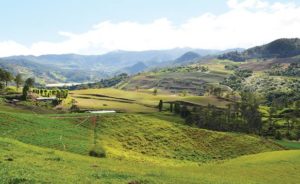
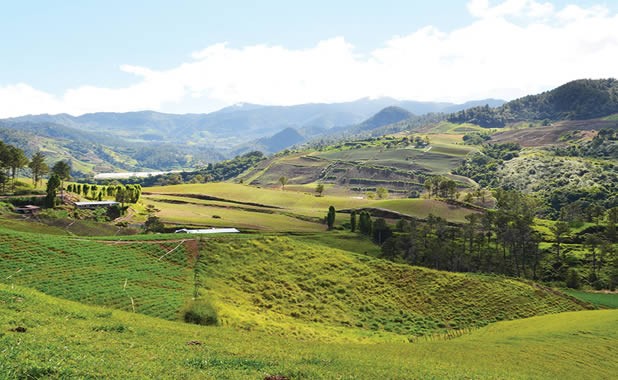
The region’s impressive natural beauty, its diversity of ecosystems and micro-climates makes the mountain-region town of Constanza an ideal place for eco-tourism and agro-tourism activities.
Constanza is the other side of the country’s sun and sand tourism option.
Situated above the Caribbean’s highest mountain range, Constanza is one of the country’s most important agricultural center, featuring numerous attractions, fine Dominican restaurants and hotel facilities depending on the needs and likes of the visitor.
Visitors are encouraged to visit the fascinating and mysterious “Valle Encantado,” or in English the “Enchanted Valley.”
Text: Anya Duran
Photos: Maximo Zorrilla
To visit Constanza is to explore the magic of nature, and enjoy the unparalleled beauty of an immense valley that honors the fertility of the land and provides a spectacle of color worthy of admiration.
Another plus is that the region enjoys the lowest temperatures on the island.
Constanza enjoys pleasant temperatures all year round and during the winter months the region is a magnet for those who enjoy a cooler Caribbean.
Temperatures in and around the mountain region can range from 18 degrees Celsius in the lower-lying areas to -5 degrees in the valley or in “Alto Bandera,” the highest peak.
The town is also an important destination for those interested in agricultural. The region is dotted with strawberry farms, flower nurseries and many other agricultural products.
A visit to some of these agricultural projects is an unforgettable experience for city dwellers that have never been exposed to this kind of rural environment.
Constanza is situated in the very heart of the highest mountain range of the Caribbean, located 1,283 meters above sea level. The town has a population of 100,000.
How to Get There
Constanza is situated almost two hours north of Santo Domingo, and a similar distance from the north coast.
Travelers must take the country’s most important, and most modern, highway, the Duarte Highway.
Once the traveler leaves the main highway, he/she will start the climb up to the mountain town through a recently built mountain highway. The climb up is breathtaking, and getting there is 40 minutes on the mountain road. A small local airport is also available for those who want to fly in to the region.
Main Attractions
“Valle Nuevo” (New Valley)
Constanza’s most important valley, “Valle Nuevo,” is situated 2,200 meters above sea level in the very heart of the country’s Central Mountain Range. Now a National Park, the valley is home to some of the country’s most important rivers.
It is the only area in the entire Caribbean region with true mountain vegetation. This valley, along with the J. Armando Bermúdez , José del Carmen Ramírez National Parks and other protected areas are part of an area known as the “Mother of all Waters,” because of the important water reservoirs in the region.
Winter temperatures can drop to -5 degrees Celsius.
The “Alto Bandera” peak is the third highest peak in the country and the Caribbean.
The Pyramids
Situated in the “Valle Nuevo” National Park, the pyramids are important stone structures that mark the geographic center of the Dominican Republic, and the region is also an important camp site for visitors.
“Aguas Blancas” Waterfall
This particular waterfall is the highest in the entire Caribbean region. The frigid waters of the waterfall and its spectacular beauty, is an important tourism attraction. The region is surrounded by lush tropical vegetation.
Reaching the “Aguas Blancas” waterfall is possible by following the “Valle Nuevo –Las Piramides” highway.
On the way to the waterfall, visitors will pass through a 700-meter ecological path that is home to 40 species of birds, 13 of which are endemic, as well as a variety of lush tropical vegetation.
The trail includes four different viewpoints from where visitors can enjoy the majestic beauty of the waterfall.
“Las Piedras Letradas” (The Written Stones)
This is the largest Taino monument in the entire Caribbean. Situated some 16 kilometers from the town of Constanza, the area is home to huge stones painted with Taino drawings.
The stones are situated in the very center of the island of Hispaniola. Experts believe that the region was used for special ceremonies.
“Ebano Verde” (Green Ebony) Scientific Reserve
This protected region is a haven for ecotourism enthusiasts.
The region is rich in flora and fauna found only in this region.
Temperatures in the scientific reserve are always cool, and many believe it is a piece of paradise hidden away in the mountain region.
Adventure in Constanza
The entire province is ideal for the active eco-tourist. Mountain biking, hiking through mountain trails, paragliding, enduro biking, jeep safari, horseback riding and canopi, as well as other river-based activities, are found everywhere.
Constanza is also known as the “Capital of the Mountain Bike” because of the many cycling activities that take place there.
In October of each year the town hosts the Champions Classic Biking Tournament, and in February it hosts the international Independence Route Biking Tournament.
There are several tourism companies that offer fund and very safe tours to many of Constanza’s main attractions.
“Valle Encantado” (Enchanted Valley)
As the name suggests, this is a beautiful, fascinating and mysterious destination. Many believe the valley can actually lead visitors to another dimension.
Countless legends on the supernatural powers found in the place attract hundreds of visitors interested in learning more about the mysteries of the place surrounding the valley.
One of the mysteries that characterize the Enchanted Valley are the unexplained sounds heard at certain times of the year, especially during the winter months.
Johnny Tactuc , manager of the Constanza Tourism Office says that witnesses have stated that they distinctly heard the sound of a passing train and a waterfall.
Also, the sound of horns honking and noises found only in urban areas, not in this beautiful isolated valley situated 2,600 meters above sea level.
Tactuc also explains that compasses do not work in the region, nor other kinds of electronic devices. This is a strange phenomenon for many since the valley is situated near “Alto Bandera,” the country’s main telecommunications center.
The region not only attracts the curious visitor, but scientists from all over the world.
Where to Eat:
Restaurant Aguas Blancas: Excellent Dominican cuisine served in a relaxed atmosphere.
Vienchy Cuisine: The specialty of this restaurant is Spanish cuisine, especially the “paella.”
La Cocina de Doña Luisa: Typical Dominican cuisine at its very best.
Antojitos Pizzeria: Most recommended: Vegetable Pizza.
Cerro Alto Restaurant: Also offers Dominican cuisine. One of its most popular dishes is the “Rosemary Lamb.”
Dulcería Doña Benza: One of Constanza’s most iconic eateries, the restaurant offers excellent snacks and many homemade sweets, made by Mrs. Benza.
Accommodations
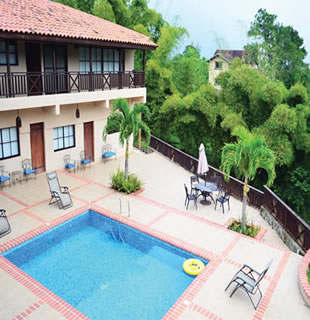
Cerro Alto: Comfort is this hotel’s most important characteristic. Also available: excellent food, recreational activities such as biking, horseback riding and canopy; camping area; children’s playroom, billiards, soccer and 18 BBQ’s in the picnic area.
The 68-room and 34-villa hotel can accommodate from two to seven guests per room or villa. All rooms offer spectacular views of the valley.
Rancho Constanza: One or two-room villas can accommodate up to five guests, living room, fully equipped kitchen and an adjacent 14-room hotel. It has a traditional restaurant and excellent view of the valley.
Constanza Hotel: 26 rooms, distributed in ten villas and suites. Restaurant opens for breakfast, and there is a campfire and BBQ areas, board games, basketball and volleyball courts, and a lounge for meetings and events.
Villa Pajon: The perfect place for anyone wanting to leave behind the noise and bustle of the city. This innovative eco-lodge, situated in the heart of the valley, features seven cabins. It is an ideal venue for retreats, rest and relaxation. Since temperatures drop significantly during the evenings, guests will enjoy a campfire or a cozy spot near a fireplace. The area is known for thick fog and unique mountain vegetation.
Hotels in the city of ?Constanza: Hotel Bohio, New Valley Hotel, Vista del Valle, My Cottage Hotel, and Hotel Colinas del Valle.
Nightlife
Bar Kapioca: Varied music, two VIP areas, DJ.
Sunset Bar: Varied music for a younger crowd.
Moe Bar: Varied music, Karaoke every Thursday evening.
Source: AccessDR
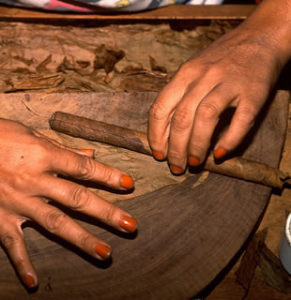
Today, eleven of the world’s top cigars are manufactured in Santiago. Situated two hours north of Santo Domingo, the city of Santiago is the home of the country’s Procigar Festival, an annual event that brings together top-name cigar smokers, producers and representatives of American and European tobacco companies.
D.R. Cigars Among the Top 11 in the World
According to the American magazine “Cigar Aficionado” 11 Dominican-made cigars appear in the publication’s 2013 list of the world’s top 25 best brands.
The list includes such top cigars as the Nicaragua Toro Davidoff, Romeo by Romeo y Julieta Toro en Tubo, Arturo Fuente Don Carlos No. 2, and Gurkha 125th Anniversary XO.
The list also mentions the “Fuente OpusX Super Belicoso,” “La Flor Dominicana Oro Chisel,” Fernando Leon Family Reserve Belicoso, Nat Sherman Timeless Collection Divino and the “La Palina Classic Toro, all manufactured in Santiago. In order to make their final selection, the judges tested more than 700 cigars.
The Dominican Republic today produces 44% of the best cigars in the world, according to Cigar Aficionado, while over 90% of the cigar factories are situated around the fertile lands of Santiago.
Procigar Festival
The Procigar Festival annually brings together marketing representatives, producers and cigar aficionados, and offers those interested the opportunity to visit the main factories where many of these famous cigars are produced. At the same time, Festival participants will also discover and truly enjoy the beauty of Dominican music, culture and hospitality.
Festival activities will also include a popular golf tournament in the Teeth of the Dog Golf Course, currently on the list of the 100 best golf courses in the world. The Teeth of the Dog is situated in the internationally recognized “Casa de Campo” resort, in the country’s eastern region.
The Procigar Festival also brings together representatives from trade publications, such as Cigar Aficionado, Smoke & Smokeshop, Tobacconist, Cigar Magazine, European Cigar Journal, Cigar Clan, Cigar Report, Cigar Ambassador, L’Amateur Du Cigarre, “La Boutique de El Fumador,” Epicur and Florida Cigar Snob.
More than 90,000 hectares of tobacco are cultivated in the rich and fertile lands, while 80% of all cigar production is carried out in this important northern region city.
There’s a Whole Culture Surrounding Tobacco Production in the D.R.
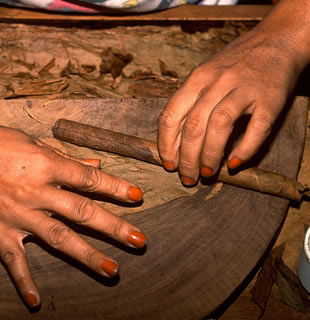
Cigar smoking, aside from the joy it brings to smokers, is part of an entire culture that is tied to fine liquors, such as premium Dominican rums. Quality cigars are made by hand, and this particular art is passed down from generation to generation.
Famous international figures, such as John F. Kennedy and Winston Churchill, basketball superstar Michael Jordan, actors Arnold Schwarzenegger, Hugh Laurie and Andy Garcia are true cigar aficionados. Also, former U.S. President Bill Clinton, an avid cigar smoker, has frequently visited the “Casa de Campo” resort in La Romana.
Source: Access DR
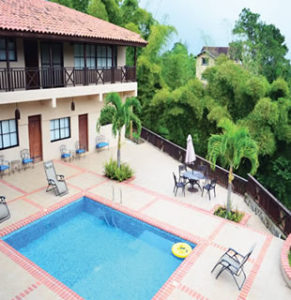
Visitors who want to enjoy the pleasures of a Caribbean “winter” should plan to visit Jarabacoa, one of the country’s most beautiful mountain destinations. Whether it is winter or summer, the centrally-located mountain town of Jarabacoa is the perfect destination for the ecotourist, the more adventurous visitor who enjoys more extreme sports, or the golfer who enjoys playing in cooler temperatures. This paradisiacal mountain town also offers visitors excellent lodging facilities, entertainment and delicious Dominican cuisine.
Situated in the very heart of the country’s Central Mountain Chain, Jarabacoa is the perfect destination for anyone interested in ecotourism activities. The region’s tremendous beauty, the diversity of its flora and fauna, the breathtaking mountain views, its provincial charm and spring-like climate (temperatures can range from 7 to 22 degrees Celsius) makes it a truly perfect destination for anyone interested in mountain tourism.
The town of Jarabacoa has a population of about 60,000, and is situated some 530 meters above sea level. This friendly community, which for decades was the perfect vacation destination for wealthy Dominicans, has become an active tourism enclave that also depends greatly on agricultural activities.
Visitors will have plenty of options for horseback riding, hiking, canoping, motocross activities and white-water rafting, among others. Jarabacoa is also a haven for the nature lover looking to disconnect from the hustle and bustle of everyday living.
This area is also the gateway to the country’s Duarte Peak, the highest in the Caribbean with an altitude of 3,175 meters above sea level. It is the ultimate experience for the hiker and anyone else who wants to experience the beauty of this unique region.
Enjoy Golf in the Mountains
Jarabacoa features the country’s only mountain-region golf course. Quietly nestled among low-lying hills, the Jarabacoa Golf Club offers golfers a challenging terrain. But, the cool temperatures and beautiful landscape makes it a must-stop for golf lovers traveling to the region.
The Coffee Trail
The Coffee Trail is a never-before-experienced adventure that envelops visitors in the unique aroma and wonderful flavor of Dominican coffee. This particular region is known for the production of some of the world’s best, and most beautiful, coffee plantations.
Also, visitors staying in Jarabacoa have a wide range of hotels, restaurants and bars from which to choose from. Most of these places are located in and around the town’s main square, which features a native tree that is more than 160 years old.
Where to Stay
Rancho Aurora: Swimming pool, conference room that comfortably seats 70, full-service restaurant featuring spectacular mountain views.
“Casa Tranquila” : This 14-room country home features a dining area, conference room and cozy country atmosphere. This ecolodge was awarded a “Dominican Treasure” certificate, issued to excellent eco-friendly tourism destinations in the Dominican Republic.
“Bohios de Campo Añil” : Features beautiful cottages, and the package includes three meals and a true country atmosphere. There is a swimming pool, a playground, bonfires, movies and an outdoor bungalow for dancing and other social activities.
“Hotel Brisas del Yaque” : Situated right in Jarabacoa, the hotel features 18 comfortable rooms and a good restaurant.
“Jarabacoa River Club”: 45 rooms, restaurant, swimming pool, terrace to hold social events, playground for kids and weekend bar-café, karaoke and a DJ.
“Villas Quintas del Bosque”: The complex features 70 eco-lodges that range from 150 to 300 square meters. Swimming pool, clubhouse, playground, BBQ area and gazebo.
“Hotel Gran Jimenoa”: 65 comfortable rooms, swimming pool, restaurant, beautiful surrounding gardens, access to the nearby Jimenoa River and a conference room with capacity for 600 guests.
“La Jamaca de Dios” : 12 luxury apartments with stunning views of the beautiful mountain region. The perfect destination for those who want to relax in a perfect mountain setting.
Where to Eat
“Restaurant Brisas del Yaque” : Specializing in popular Dominican dishes, such as mashed green bananas, suckling pig and stewed goat.
“Pizzeria y Resposteria Pepperoni” : Offers some of the best pizzas in Jarabacoa, and local desserts.
Jarabacoa River Club: Known for its many popular Dominican treats.
Restaurant “Gran Hotel Jimenoa:” True experts when it comes to Dominican dishes.
D’ Kalidad : Offers both national and international dishes.
“La Tinaja:” Best sandwiches in Jarabacoa.
“Plaza La Confluencia:” This popular shopping plaza is home to various restaurants, such as Pala Pizza, Segafredo and the Pierre Restaurant, specializing in meats and sushi dishes.
“Aroma de la Montaña” in the “La Jamaca de Dios Hotel: Excellent a la carte restaurant, with stunning mountain views.
“El Carrito de Moshe” : Known for their giant and very tasty sandwiches.
“Helados Ivon” : The best hand-made ice cream in the entire region.
Shopping
“La Tinaja:” The shop offers a wide variety of organic gourmet coffee, German beers, homemade desserts, popular carrot and banana cupcakes, homemade custard and many other locally-made products.
Ecotourism Cluster Office: Beautiful native Taino souvenirs and fruit wines produced in Jarabacoa.
Night Life
“Entre Amigos Bar”
“Bar Veniu”
Road to Jarabacoa
The road that connects Jarabacoa with the Duarte Highway, the country’s most important highway, is in optimum condition. In general, all roads leading to and from Jarabacoa are in very good condition.
By Anya Duran
Photographs: Maximo Zorrilla
Source: Access DR
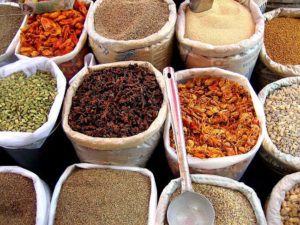
A full spice cabinet is a wonderful investment. Not only because of the delicious flavors they can add to your meal, but more importantly for their amazing health benefits. Here are my 3 favorite spices to always keep in your kitchen and cook with frequently!
Ginger.
Rich in inflammation-fighting compounds this spice is traditionally used to relieve colds by helping clear up phlegm and soothing the respiratory system if you have a cough or sore throat. Studies show that it is also wonderful for stomach ailments including gas, as well as nausea caused by morning sickness, post surgery or during chemotherapy. It can be used fresh grated over fruit or pressed into juice or as a dry powder. Fresh, peeled ginger can be kept in the fridge for up to two weeks and unpeeled ginger can be kept in the freezer indefinitely. Chewing on tiny pieces of ginger also helps freshen breath so you can finally get rid of that gum chewing habit and replace it with a healing spice.
Cinnamon.
This versatile spice can help support healthy blood pressure and cholesterol levels while helping to boost the immune system. Cinnamon also contains a compound that helps tell cells in the body to absorb blood sugar and research has shown that ¼ teaspoon a day may help lower blood sugar by up to 18% making it the perfect spice for anyone facing hypoglycemia, pre-diabetes, or diabetes. Always add cinnamon to high carb foods such as oatmeal or rice pudding to help avoid a spike in blood sugar. Cinnamon paste can be used externally on arthritic joints to help relieve pain. Simply mix equal parts honey and cinnamon powder to form a paste and massage it on the arthritic joint in slow, circular motions; usually this massage will reduce pain in about 30 minutes.
Turmeric.
It seems to be making a lot of news these days, and for good reason. Its active ingredient, curcumin, is rich in antioxidants and has powerful anti-inflammatory properties that can improve the health of practically every organ in the body. Daily use can eliminate chronic low-grade inflammation, which triggers a host of diseases. Studies have even shown that it can help stop the spread, or recurrence, of certain types of cancers, including breast cancer. It can be easily sprinkled on your favorite foods, made into “golden milk” by adding 1/2 tsp. turmeric into 1 cup of your favorite warm milk, such as almond or coconut, or as a tea by adding ¼ tsp. turmeric to 1 ½ cups hot water with a bit of honey. If you’re short on sleep turmeric can even help you reduce dark circles under your eyes. Just add some honey to make a paste, apply to the dark area under the eye and leave on until it starts to dry.
The more you use these spices the better you’ll get at learning how to use them. Play with your food and make cooking fun by trying out new flavor profiles and taking advantage of the health benefits of these amazing spices!
By www.jacquelinebanks.com
Source: Casa De Campo Living

The Dominican Tourism Competitiveness Consortium, a nonprofit organization established to promote the development and competitiveness of the country’s tourism industry, has begun to identify tourism-related businesses that support ecotourism and sustainable tourism projects.
Those that meet the standards established by the Consortium are officially certified as a “Dominican Treasure.”
As of March 2014 the program has certified 30 products and services throughout the country. ACCESS provides a list of those who have received a “Dominican Treasure” certificate, as of December 2013.
Samaná
Taino Park: Situated along the north coast’s Sanchez-Samana highway, visitors will find Taino Park, an outdoor museum depicting life in a Taino village before the arrival of the Spanish colonizers. In 2013 the park received a Certificate of Excellence from the popular travel website TripAdvisor, for its excellent reproduction of life in a Taino village. The Tainos were the original inhabitants of the island now shared by the Dominican Republic and Haiti. The Park also features a museum depicting Taino art, with more than 200 pieces of pottery, bones, stones and wood carvings. The Park is open daily from 9:00-5:30 p.m. There is a one-hour audio tour available. For more information, please contact:kendy.cualey@tainopark.com or www.tainopark.com.
“Parada la Manzana:” This unique vegetarian restaurant is situated on the Limon-Samaná highway, in the northeast province of Samana. The restaurant also features a small shop where visitors can purchase locally made souvenirs made from wood and coconut shells, organic coffee and cacao. Please write to: alcalanuez@gmail.com for more information.
Zipline Samana: Also situated on the Limon-Samana highway, the zipline park features 20 platforms and 10 cables ranging from 85-450 meters. Guests will be able to “fly” through the region’s lush tropical vegetation. The park also offers hiking tours, beginning with a fun Safari-style tour providing visitors will all the necessary information on the culture and history of this incredibly beautiful region. More information available: roel@bavarorunners.com and www.samanazipline.com.
“Clave Verde:” Situated in the fishing village of Portillo, in Samana, these four Caribbean-style houses feature a private gymnasium, a swimming pool treated with natural chlorine and a play area. All of the homes have running hot water and a full kitchen. During the regular reason prices go for US$90 per night. Holidays: US$110. For more details, please write: noemiaraujo@claveverde.com and/orwww.claveverde.com.
Chalet Tropical Village: This three-home “village” is situated in “Las Galeras,” one of the country’s most beautiful beaches. All houses are built with natural materials, and offer free internet, satellite TV, 24 hour security service, secure parking, electricity, running water and barbecue area. Please write to:sarahparadiso@chalettropical.com or www.chalettropical.com.
“Ecocampo La Sangria:” Also in “Las Galeras,” this ecotourism project consists of seven log cabins with thatched roofs. The village perfectly depicts life in the Caribbean countryside. Visitors will enjoy beautiful hiking trails, biking and visit extensive pineapple farms. More information:ecocampolasangria@hotmail.es and in www.ecocampolasangria.com.
“D’Vieja Pan:” This old-style bakery is situated on the outskirts of Samana, on the country’s northeast region. “D’Vieja Pan” is an icon of Samana’s culinary tradition. The cafeteria-style store reflects the culture of the founders of Samana, men and women who arrived in the region from the nearby English-speaking Caribbean islands during the early 19th century. For information, please write:nellymercedes23@hotmail.es.
Puerto Plata
Damajagua Waterfalls: This region was declared a protected area in 2004. The 27 Damajagua Lagoons occupy an area of six square kilometers. Visitors will enjoy hiking from one lagoon to the other, but first passing through natural waterfalls. Please write to: saltosdamajagua@hotmail.com,www.saltosdamajagua.com, and www.27charcos.com.
Tubagua Plantation Eco Village: This nine-room facility offers visitors recreation areas, and an open kitchen where they will enjoy meals made with fresh local products. There are wonderful nearby hiking trails that will take the visitor through coffee farms and amber mines. Also available: rich mud baths, and bird watching. For information: tim@tubagua.com and www.tubagua.com.
Natura Cabana Boutique Hotel & Spa: This eco-sensitive facility consists of rustic style cabins built ?with Feng Shui elements. It is the perfect spot to practice yoga, and to pursue spiritual growth. Its two outdoor beachfront restaurants are run by an international chef. There is also a “Buddha Trail” and a natural spa. Please write to: info@naturacabana.com, reservation@naturacabana.com and/orwww.naturacabana.com.
Skina Bar & Restaurant: The restaurant offers visitors a taste of Dominican food, in a natural environment. Situated on “Calle Separacion 12 de julio,” Puerto Plata. Telephone 809-979-1950.
General Gregorio Luperon Museum: General Luperon was one of the Dominican Republic’s founding fathers for his efforts to liberate the Dominican Republic from the Spanish Crown in the 19th century. Hours: Tuesday-Sunday, from 9:00 a.m. – 5 p.m. Entry fee: RD$100 adults, RD$35 students, RD$50 children, RD$200 international visitors. For information: museogregorioluperon@claro.net.do.
Puerto Plata Cable Car: The city’s cable car is literally the symbol of the country’s most important north coast city. The cable car is situated on: Manolo Tavarez Justo Street. The cable car is also the only one in the Caribbean. Hours: Monday to Sunday, from 8:30 a.m. to 5:00 p.m. Entry fee: RD$350 adults and RD$200 children between the ages of 5-10. Information available: teleférico.pp@codetel.net.do andwww.telefericopuertoplata.com.
Constanza
Rancho Olivier: The ranch is situated in the mountain town of Constanza, a two-hour drive north of Santo Domingo. Nestled in the very heart of the country’s most important central mountain range, and the tallest in the Caribbean, Constanza is a unique town where freezing temperatures are pretty common.
Hotel Altocerro: This 68-room hotel, overlooks the impressive Constanza Valley, and is situated atop a hill outside the town of Constanza. It also features a mini market, a convention center, campsite, horseback riding and hiking. There’s more information available at: reservas@altocerro.com andwww.altocerro.com.
Restaurant Aguas Blancas: Its most impressive attraction is its unique menu, based on all local produce. It is also known for its famous local deserts. For information: placidorosa1@hotmail.com.
“Villa Pajon:” This seven-cottage destination is situated some 2,000 meters above sea level, in one of the country’s most beautiful natural parks. All cottages are fully equipped with kitchens, fireplaces, rustic handmade furniture, bathrooms with running hot water, balconies, barbecue area and a common dining area. Visitors can enjoy nature walks, horseback riding, bird watching, mountain biking, collecting berries (in season), swimming in local streams, and excursions to the “Salto de Aguas Blancas,” one of the region’s most beautiful waterfalls, and other nearby attractions. For information please write:info@villapajon.do and www.villapajon.do.
Jarabacoa
“Sonido del Yaque:” This facility is owned and operated by rural women from the community through a local women’s co-op. It is a perfect example of what a sustainable ecotourism project is all about. The facility also features a restaurant overlooking the “Yaque del Norte” river, the largest in the area. Water from the nearby river is used for electricity production. All meals are prepared with locally grown organic products, farmed by the community. For more: sonidodelyaque@gmail.com.
Rancho Baiguate: The “ranch,” situated some 500 meters above sea level in the heart of the Central Mountain chain, features several eco cottages (27 rooms), a buffet area and a swimming pool. It has its own organic plantation, a waste disposal plant, hiking trails, and organizes white-water rafting, canoeing, mountain biking, horseback riding excursions. For reservations: ventas@ranchobaiguate.comand www.ranchobaiguate.com.
Montecristi
El Morro Eco Adventure Hotel: This small 12-room hotel, featuring a small restaurant, a swimming pool and a heliport, is situated on the very edge of the “El Morro National Park,” one of the country’s most important natural regions. The hotel also offers mountain hiking and biking, boating, tours to nearby keys, and other water sports. For information: reservaciones@elmorro.com.do andwww.elmorro.com.do.
Generalissimo Máximo Gómez Museum: This is one of the city’s most important tourism attractions. The museum honors this Dominican general who spearheaded the independence of Cuba from the Spanish Crown. The museum is situated on Mella Street #29. There’s more information on:clustermontecristi@gmail.com.
Soraya and Santos Tours: This is the only tour operator in Montecristi and other nearby towns. It offers expertly-guided tours to the region’s most important sites, such as the region’s mangrove forests and nearby keys. For information: sory522000@yahoo.com and www.ssmontecristitours.com.
Santo Domingo
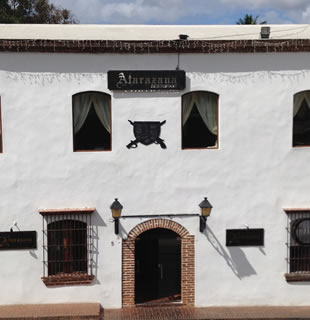
Atarazana Restaurant: The “Atarazana Restaurant” is one of the oldest and finest restaurants in Santo Domingo’s Colonial Zone. Situated in a colonial residence, the restaurant is known for its beautiful indoor Spanish patios. Those who prefer may dine inside, in one of the restaurant’s air-conditioned salons. Guests will also enjoy a beautiful view of the “Alcazar de Colón” residence, the official home of Christopher Columbus’ brother in Colonial Santo Domingo. There’s more information available:rsantiago@claro.net.do and www.restauranteatarazana.com.
Trikke Republica Dominicana: This tour operator offers 1.5 hour guided tours of the Colonial Zone. The Trikke green cars are one-passenger vehicles and very easy to maneuver. Guests are provided with an audio-guided tour, and given all the necessary protection needed for a safe tour. Address: “Calle El Conde” #101, across the street from the Columbus Plaza. For information write to: info@trikke.do or visit www.trikke.do.
Pedernales
Hostal Doña Chava: The 18-room facility features indoor bathrooms, ceiling fans, security, wi-fi, restaurant, bar, laundry service. Some rooms have air conditioning. It is ideal for those who plan to visit the nearby Bay of Eagles, the Bahoruco southwest mountain region, the Oviedo Lagoon and other nearby natural attractions. There’s more information: hostalchava@hotmail.com andwww.donachava.com.
Barahona
Brisas del Caribe Restaurant: This beachfront restaurant is one of the finest in the country’s southwest region. Although it specializes in seafood dishes, it also offers tasty meats, poultry and pasta dishes. Address: Avenida Enriquillo #73. Please visit: brisas.carib@claro.net.do.
Bayahibe
Cuseco Art: This arts and crafts shop specializes in making all kinds of jewelry from local seeds, coconut shells and other natural items. The shop is completely run by women artisans. The shop also features space for workshops, a nursery for children and a designer’s lounge, for visitors who want to design their own jewelry using the materials of their choice. Information: artecuseco@gmail.com.
La Romana
Altos de Chavon Archaeological Museum: The museum features the most important items used by the Tainos, the original inhabitants of the island. Some 3,000 objects, most found in the region, are displayed showing the evolution of Taino society through the ages. To visit the archaeological site visitors must fill out a form found on the museum’s website, and for group bookings. For information:museo@altosdechavon.com and www.altosdechavon.museum.
Source: Access DR
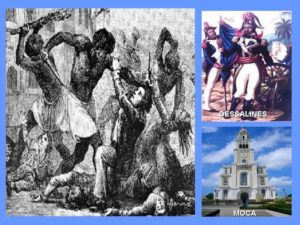
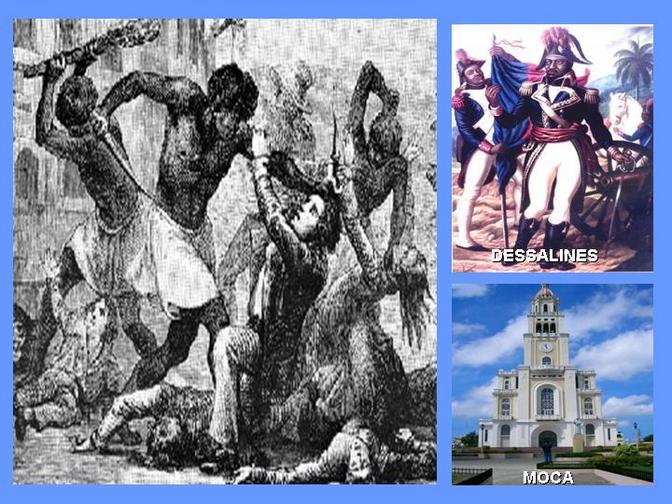
The dramatic story “Memory for my departure from the island of Santo Domingo on April 28, 1805? (“Memoria de mi salida de la isla de Santo Domingo el 28 de abril de 1805?), the Dominican Jurisconsultist Gaspar de Arredondo y Pichardo, reveals that forty (40) children were beheaded in the Church of Moca, and that the bodies were found in the presbytery, which is the space that surrounds the main altar of some churches. This tragedy, unparalleled in the history of the island, was part of a genocide that killed thousands of Dominicans.
The dramatic story “Memory for my departure from the island of Santo Domingo on April 28, 1805? (“Memoria de mi salida de la isla de Santo Domingo el 28 de abril de 1805?), the Dominican Jurisconsultist Gaspar de Arredondo y Pichardo, reveals that forty (40) children were beheaded in the Church of Moca, and that the bodies were found in the presbytery, which is the space that surrounds the main altar of some churches. This tragedy, unparalleled in the history of the island, was part of a genocide that killed thousands of Dominicans, many of them slaughtered. This catastrophe, also without precedent in the islands history, was carried out by the troops of the Haitian general named Henri Christophe, who was led by Jean Jacques Dessalines, when they were retreating from the Spanish part of the island during their attempted invasion of that year in 1805.
Interestingly enough in this commentary and the particular highlights of the tragedy involving Dominican children brutally beheaded and abducted as prisoners and then were made to walk on foot towards Haiti is inexcusable. The slaughter of 40 children in Moca is documented in the story of Gaspar de Arredondo and Pichardo. In his work that is also introduced in the same issue, Alejandro includes this gloomy paragraph:
April 6, Henri Christophe gathers all his troops in Santiago; he kills in the cemetery the prisoners which were all males, among them was a priest by the name of Vasquez and 20 other clerics, they then sets fire to the village and its 5 churches, and left leading a flock of 249 women, 430 girl and 318 boys.
Note that the kid’s throats which were slit in the main altar of the Church of Moca were only 40.
Interestingly enough the relationship of women-children that were brought from Santiago to Haiti “as a herd”, were only 249 women, the children totaled 748, it is to say, three times more boys and girls than women. Women and children of Santiago treated as prisoners and dragged towards Haiti totaling 997 people.
There is very credible information of the actions which points out and identifies it in Moca and Santiago, but ‘Llenas’ narrates that, by the order of Henri Christophe, “Monte Plata, San Pedro and the Cotuí were reduced to ashes, and its settlers beheaded or led away as captive”.
By that order 900 ‘Veganos’ (La Vega province) were also dragged. Santiago was burnt to ashes (now second capital), in addition also San Francisco de Macorís, Moca, Puerto Plata and Montecristi provinces. It is clear that when it is said that they were “dragged”, 900 Veganos to Santiago that indicates the amount of people which were taken as prisoners and everyone had to walk. In a way, 900 Veganos were taken, “dragged”, it must be added which were being “dragged” from Moca, Monte Plata, Cotuí, San Francisco and San Pedro, and those who were taken prisoners in Puerto Plata and Montecristi, were equally “dragged” made to walk towards Haiti.
If in each of these communities these people acted as they did in Santiago, where they beheaded the male prisoners and then “dragged” the women and the children, it is logical to calculate that the women, boys and girls who were “dragged” were in the thousands. And many others slaughtered as prisoners…
All this is a tragedy large enough for which, in relation to the present work, two considerations need to be referred to, the first designated already by said authors, and the second one of which would explain the emphasis, in particular interest , of the beheading and the treatment of children like prisoners, “dragged” and made to walk towards Haiti.
The first
The first consideration to which I refer is the circumstance in which Dessalines has to leave the place. Santo Domingo in 1805 was a failure of enormous dimension for Haiti, equivalent to a severe military defeat because the capital of the former Spanish colony was Santo Domingo. This was a strategic important move, because it was occupied by the French army. This was their number one military goal for Haiti to take the main Capital.
This adverse situation antagonized notably Dessalines, who before leaving he cited; “I did give the order to the commanders of several communes which were conquered to meet everyone and reduce them to prisoners, so your first order is to make them stomp like mules and other animals, when they reach the Haitian part”.
In addition, in virtue of his latest instructions Dessalines left several generals before leaving the place, “they pushed in front of them the rest of the inhabitants, animals and beasts… reduced to ashes all of the towns, villages, herds and cities, they carried everywhere the devastation, iron and fire, and only forgave the individuals intended to be driven to San Francisco de Macorís. And those were led like prisoners”.
Here it is important to highlight the part of the preceding two paragraphs cited by quotes which were extracted from Dessalines own war diary, that is as clear as any confession, it can be recognized as in law, according to some lawyers.
It should be noted that the invading army of Dessalines was composed of more than twenty thousand soldiers, very well endowed with the best weapons of the time of war in Europe, which the Haitians had captured from the army of Napoleón Bonaparte in the defeated of Saint-Domingue, i.e. Haiti. As it has been seen, those more than twenty thousand men received the orders, in their retreat, they dragged all the Dominican people towards Haiti as prisoners, “and the rest of them”, anyone who remain alive, the men who were prisoners were beheaded.
Only in Santiago they “dragged” 249 women, 430 girls and 318 boys, as revealed by Alejandro Llenas, and in La Vega 900 Veganos, it can be deduce that the rest of the communities where the army passed through were also in the thousands, mainly women, boys and girls. What was the fate of 249 women, the 430 girls and the 318 boys of Santiago? What happened to the 900 Veganos who were swept away, what to expected of them in Haiti? The orders of Dessalines were for those and of the thousands to be; “reduce them to prisoners, so your first order is to make them stomp like mules and other animals, when they reach the Haitian part”. It wasn’t just the 900 Veganos that were dragged, in reality it were also women and children, and those of Santiago?
Unfortunately there is not documentary evidence of this genocide in the southern region of the country, which it was where he retreated with part of his great army of Dessalines. There are only mentions in sometext written by Gaspar de Arredondo and Pichardo of the horror that the fugitives narrated coming back by roads and mountains to the Cibao area and from the South.
The second
There is a second consideration that I express here. Some historians have the belief that the invasion of Dessalines was in response to a feverish decree of war, the French general Lois Ferrand who was at that time Governor of the colony of Santo Domingo. In his article ‘Invasion of Dessalines’ Alejandro cited very well this Decree of Ferrand, which was in response to a proclamation of Dessalines calling residents of the Spanish part of the island to surrender. But in his unusual Decree of January 6, 1805 Ferrand authorizes the inhabitants and authorities of the Spanish part, to capture anyone in the territory of the Republic of Haiti up to 14 years of age, in order to sell them as slaves.
Evidently the motor of the immediate invasion of Dessalines was not this Decree, but its content that caused indignation of the Haitian authorities because that text message amounted to a proposal to re-establish slavery, which had been evidently overcome with the proclamation of independence on the part of the Haitian people, and which had also been suppressed by the French Revolution years earlier. The slaughter of 40 children on the altar of the Church of Moca and dragging them as prisoners to Haiti these 748 children of Santiago had to be a clear message. As we have said, the data is well documented, but it should not be considered a unique case. In other Dominican communities where the other butcher walked through, Henri Christophe carried out massive beheadings of children.
With those Dessalines and his official subordinates while in their forced retreat were leaving a message to Lois Ferrand. That Ferrand was not just another invader, but was short-term in the territory, and that the footprint of the genocide would produce amongst Dominicans the horror that to this day the Haitians people provoke, the anti-haitianism that “The Beheadings of Moca” (“El Degüello de Moca”) has sowed amongst Dominicans.
Author: AlvaroM1969
Source: http://ireport.cnn.com/
![Severe scurvy struck Columbus’s crew during his second voyage and after its end, forensic archaeologists suggest, likely leading to the collapse of the first European town established in the New World. In 1492, Christopher Columbus crossed the Atlantic, beginning Europe’s discovery of the New World. Two years later on his second voyage, he and 1,500 colonists founded La Isabela, located in the modern-day Dominican Republic. The first permanent European town in the Western Hemisphere, La Isabela was abandoned within four years amid sickness and deprivation. (See “Columbus’s Cursed Colony.”) Historians have long blamed diseases such as smallpox, influenza, and malaria for the town’s demise. But a study of graveyard remains from the town site, reported online in the International Journal of Osteoarchaeology, suggests that an ancient seafarer’s scourge—scurvy, a severe vitamin C deficiency—plagued Columbus’s first colony and worsened the illnesses behind their town’s collapse. “There were lots of diseases, fevers, epidemics, we know from their writing. It seems no one was spared,” says study author Vera Tiesler, an archaeologist at Mexico’s Universidad Autonoma de Yucatán. “But apparently scurvy played a big role.” (Related: “Columbus’s Failing Mining Colony Pilfered Its Supplies.”) Since the 1980s, archaeologists have been unearthing the bones of La Isabela’s inhabitants from graves behind the abandoned village’s small churchyard, and storing them at the Museo del Hombre Dominicano in Santo Domingo, Dominican Republic. The skeletons are of sailors and colonists from La Isabela who were buried in the Catholic tradition, laid on their backs with their arms crossed. “They were still encased in earth when we started the study. We had to clean the bones to proceed,” Tiesler says. (One of Tiesler’s co-authors, her husband and colleague Andrea Cucina, is a National Geographic Society grantee, on a separate but related project.) Bones Speak Tuberculosis, syphilis, and other diseases that historians believe struck La Isabela would leave their mark on skeletal remains. Tiesler and colleagues examined 27 of the skeletons, all but one belonging to men. At least 20 bore signs—striations carved in the outer lining of bones—of what the study called “severe scurvy.” The telltale marks were found on weight-bearing bones on both sides of the body, evidence against severe bone infection, which would strike in one location. The study “shows convincingly that the crew members of Columbus who were buried at La Isabela had suffered, but also had healed, from scurvy before they died,” says scurvy expert George J. R. Maat of Leiden University Medical Center, the Netherlands. Mystery Meals Scurvy remained the scourge of seafarers until the 18th century. British sailors famously were nicknamed ”limeys” for the lime juice they drank as a preventive for the severe vitamin C deficiency, which produces symptoms including lethargy, anemia, and, in severe cases, the re-opening of old wounds. The ailment typically appears after one to three months of complete vitamin deficiency. The study suggests that the colonists, weakened by a two-month voyage and the one-month wait at sea that preceded it, probably already suffered from scurvy when they arrived in 1494. In the New World, however, the colonists would have been surrounded by fresh fruits and vegetables rich in vitamin C. So how did they end up with severe scurvy? “The implication, to me, is that the Spaniards had cut themselves off almost completely from their new environment by alienating the native people around them,” says Charles Mann, author of 1493: Uncovering the New World Columbus Created. “The Caribbean is full of foods that are packed with vitamin C,” Mann says. Fruits such as guava and wild cherries, and the native staples of cassava (yucca) and sweet potato, all contain enough vitamin C to forestall scurvy. “Packed behind their stockade in La Isabela, they seem to have sampled next to nothing of the rich menu of the Caribbean,” Mann says. “It was a lethal mistake.” The finding might explain why Columbus implored the Spanish crown to send more shipments of food to the early colonists. But none of the foodstuffs requested were rich in vitamin C, and ultimately the colonists faced rationing. “One problem was that Christopher Columbus himself was more concerned with looking for gold than feeding his people,” Tiesler says. “In their letters they all want to go home.” The organization of La Isabela, the tools, and its pottery all point to Spanish colonists pursuing a European lifestyle there. “This probably also applied to their dietary preferences,” says the study. Scurvy Crew “They also faced constant attacks” by the native people, Tiesler says. Later weakened by European epidemics, the native Taino people of the island probably couldn’t have helped the colonists, she adds, even if they had wanted to. Tiesler acknowledges that her initial report of the scurvy findings, at a 2010 bioarchaeology meeting, met with strong skepticism from some archaeologists, who did not see evidence of scurvy in the colonists’ own accounts from the time. “Diagnosis from old letters is very difficult,” Tiesler says. “We argue [that] the historical evidence and what we see on the bones support the argument for very bad cases of scurvy.” Some of the bones do show some signs of healing, likely as a result of the colonists eating limited amounts of some foods containing vitamin C, says Maat. A. E. van der Merwe, Maat’s Leiden University colleague and fellow scurvy expert, concurs. Some vitamin C must have been present in the diets of some of the dead, she says, because they had been healed of scurvy when other diseases killed them. By Dan Vergano Source: National Geographic](http://www.nicepeoplenetworking.com/wp-content/uploads/2018/03/Severe-Scurvy-Struck-Christopher-Columbuss-Crew-300x208.jpg)
Severe scurvy struck Columbus’s crew during his second voyage and after its end, forensic archaeologists suggest, likely leading to the collapse of the first European town established in the New World.
In 1492, Christopher Columbus crossed the Atlantic, beginning Europe’s discovery of the New World. Two years later on his second voyage, he and 1,500 colonists founded La Isabela, located in the modern-day Dominican Republic.
The first permanent European town in the Western Hemisphere, La Isabela was abandoned within four years amid sickness and deprivation. (See “Columbus’s Cursed Colony.”)
Historians have long blamed diseases such as smallpox, influenza, and malaria for the town’s demise. But a study of graveyard remains from the town site, reported online in the International Journal of Osteoarchaeology, suggests that an ancient seafarer’s scourge—scurvy, a severe vitamin C deficiency—plagued Columbus’s first colony and worsened the illnesses behind their town’s collapse.
“There were lots of diseases, fevers, epidemics, we know from their writing. It seems no one was spared,” says study author Vera Tiesler, an archaeologist at Mexico’s Universidad Autonoma de Yucatán. “But apparently scurvy played a big role.” (Related: “Columbus’s Failing Mining Colony Pilfered Its Supplies.”)
Since the 1980s, archaeologists have been unearthing the bones of La Isabela’s inhabitants from graves behind the abandoned village’s small churchyard, and storing them at the Museo del Hombre Dominicano in Santo Domingo, Dominican Republic.
The skeletons are of sailors and colonists from La Isabela who were buried in the Catholic tradition, laid on their backs with their arms crossed. “They were still encased in earth when we started the study. We had to clean the bones to proceed,” Tiesler says. (One of Tiesler’s co-authors, her husband and colleague Andrea Cucina, is a National Geographic Society grantee, on a separate but related project.)
Bones Speak
Tuberculosis, syphilis, and other diseases that historians believe struck La Isabela would leave their mark on skeletal remains. Tiesler and colleagues examined 27 of the skeletons, all but one belonging to men. At least 20 bore signs—striations carved in the outer lining of bones—of what the study called “severe scurvy.” The telltale marks were found on weight-bearing bones on both sides of the body, evidence against severe bone infection, which would strike in one location.
The study “shows convincingly that the crew members of Columbus who were buried at La Isabela had suffered, but also had healed, from scurvy before they died,” says scurvy expert George J. R. Maat of Leiden University Medical Center, the Netherlands.
Mystery Meals
Scurvy remained the scourge of seafarers until the 18th century. British sailors famously were nicknamed ”limeys” for the lime juice they drank as a preventive for the severe vitamin C deficiency, which produces symptoms including lethargy, anemia, and, in severe cases, the re-opening of old wounds. The ailment typically appears after one to three months of complete vitamin deficiency.
The study suggests that the colonists, weakened by a two-month voyage and the one-month wait at sea that preceded it, probably already suffered from scurvy when they arrived in 1494.
In the New World, however, the colonists would have been surrounded by fresh fruits and vegetables rich in vitamin C. So how did they end up with severe scurvy?
“The implication, to me, is that the Spaniards had cut themselves off almost completely from their new environment by alienating the native people around them,” says Charles Mann, author of 1493: Uncovering the New World Columbus Created.
“The Caribbean is full of foods that are packed with vitamin C,” Mann says. Fruits such as guava and wild cherries, and the native staples of cassava (yucca) and sweet potato, all contain enough vitamin C to forestall scurvy.
“Packed behind their stockade in La Isabela, they seem to have sampled next to nothing of the rich menu of the Caribbean,” Mann says. “It was a lethal mistake.”
The finding might explain why Columbus implored the Spanish crown to send more shipments of food to the early colonists. But none of the foodstuffs requested were rich in vitamin C, and ultimately the colonists faced rationing.
“One problem was that Christopher Columbus himself was more concerned with looking for gold than feeding his people,” Tiesler says. “In their letters they all want to go home.”
The organization of La Isabela, the tools, and its pottery all point to Spanish colonists pursuing a European lifestyle there. “This probably also applied to their dietary preferences,” says the study.
Scurvy Crew
“They also faced constant attacks” by the native people, Tiesler says. Later weakened by European epidemics, the native Taino people of the island probably couldn’t have helped the colonists, she adds, even if they had wanted to.
Tiesler acknowledges that her initial report of the scurvy findings, at a 2010 bioarchaeology meeting, met with strong skepticism from some archaeologists, who did not see evidence of scurvy in the colonists’ own accounts from the time. “Diagnosis from old letters is very difficult,” Tiesler says. “We argue [that] the historical evidence and what we see on the bones support the argument for very bad cases of scurvy.”
Some of the bones do show some signs of healing, likely as a result of the colonists eating limited amounts of some foods containing vitamin C, says Maat. A. E. van der Merwe, Maat’s Leiden University colleague and fellow scurvy expert, concurs. Some vitamin C must have been present in the diets of some of the dead, she says, because they had been healed of scurvy when other diseases killed them.
By Dan Vergano
Source: National Geographic



![Severe scurvy struck Columbus’s crew during his second voyage and after its end, forensic archaeologists suggest, likely leading to the collapse of the first European town established in the New World. In 1492, Christopher Columbus crossed the Atlantic, beginning Europe’s discovery of the New World. Two years later on his second voyage, he and 1,500 colonists founded La Isabela, located in the modern-day Dominican Republic. The first permanent European town in the Western Hemisphere, La Isabela was abandoned within four years amid sickness and deprivation. (See “Columbus’s Cursed Colony.”) Historians have long blamed diseases such as smallpox, influenza, and malaria for the town’s demise. But a study of graveyard remains from the town site, reported online in the International Journal of Osteoarchaeology, suggests that an ancient seafarer’s scourge—scurvy, a severe vitamin C deficiency—plagued Columbus’s first colony and worsened the illnesses behind their town’s collapse. “There were lots of diseases, fevers, epidemics, we know from their writing. It seems no one was spared,” says study author Vera Tiesler, an archaeologist at Mexico’s Universidad Autonoma de Yucatán. “But apparently scurvy played a big role.” (Related: “Columbus’s Failing Mining Colony Pilfered Its Supplies.”) Since the 1980s, archaeologists have been unearthing the bones of La Isabela’s inhabitants from graves behind the abandoned village’s small churchyard, and storing them at the Museo del Hombre Dominicano in Santo Domingo, Dominican Republic. The skeletons are of sailors and colonists from La Isabela who were buried in the Catholic tradition, laid on their backs with their arms crossed. “They were still encased in earth when we started the study. We had to clean the bones to proceed,” Tiesler says. (One of Tiesler’s co-authors, her husband and colleague Andrea Cucina, is a National Geographic Society grantee, on a separate but related project.) Bones Speak Tuberculosis, syphilis, and other diseases that historians believe struck La Isabela would leave their mark on skeletal remains. Tiesler and colleagues examined 27 of the skeletons, all but one belonging to men. At least 20 bore signs—striations carved in the outer lining of bones—of what the study called “severe scurvy.” The telltale marks were found on weight-bearing bones on both sides of the body, evidence against severe bone infection, which would strike in one location. The study “shows convincingly that the crew members of Columbus who were buried at La Isabela had suffered, but also had healed, from scurvy before they died,” says scurvy expert George J. R. Maat of Leiden University Medical Center, the Netherlands. Mystery Meals Scurvy remained the scourge of seafarers until the 18th century. British sailors famously were nicknamed ”limeys” for the lime juice they drank as a preventive for the severe vitamin C deficiency, which produces symptoms including lethargy, anemia, and, in severe cases, the re-opening of old wounds. The ailment typically appears after one to three months of complete vitamin deficiency. The study suggests that the colonists, weakened by a two-month voyage and the one-month wait at sea that preceded it, probably already suffered from scurvy when they arrived in 1494. In the New World, however, the colonists would have been surrounded by fresh fruits and vegetables rich in vitamin C. So how did they end up with severe scurvy? “The implication, to me, is that the Spaniards had cut themselves off almost completely from their new environment by alienating the native people around them,” says Charles Mann, author of 1493: Uncovering the New World Columbus Created. “The Caribbean is full of foods that are packed with vitamin C,” Mann says. Fruits such as guava and wild cherries, and the native staples of cassava (yucca) and sweet potato, all contain enough vitamin C to forestall scurvy. “Packed behind their stockade in La Isabela, they seem to have sampled next to nothing of the rich menu of the Caribbean,” Mann says. “It was a lethal mistake.” The finding might explain why Columbus implored the Spanish crown to send more shipments of food to the early colonists. But none of the foodstuffs requested were rich in vitamin C, and ultimately the colonists faced rationing. “One problem was that Christopher Columbus himself was more concerned with looking for gold than feeding his people,” Tiesler says. “In their letters they all want to go home.” The organization of La Isabela, the tools, and its pottery all point to Spanish colonists pursuing a European lifestyle there. “This probably also applied to their dietary preferences,” says the study. Scurvy Crew “They also faced constant attacks” by the native people, Tiesler says. Later weakened by European epidemics, the native Taino people of the island probably couldn’t have helped the colonists, she adds, even if they had wanted to. Tiesler acknowledges that her initial report of the scurvy findings, at a 2010 bioarchaeology meeting, met with strong skepticism from some archaeologists, who did not see evidence of scurvy in the colonists’ own accounts from the time. “Diagnosis from old letters is very difficult,” Tiesler says. “We argue [that] the historical evidence and what we see on the bones support the argument for very bad cases of scurvy.” Some of the bones do show some signs of healing, likely as a result of the colonists eating limited amounts of some foods containing vitamin C, says Maat. A. E. van der Merwe, Maat’s Leiden University colleague and fellow scurvy expert, concurs. Some vitamin C must have been present in the diets of some of the dead, she says, because they had been healed of scurvy when other diseases killed them. By Dan Vergano Source: National Geographic](http://www.nicepeoplenetworking.com/wp-content/uploads/2018/03/Severe-Scurvy-Struck-Christopher-Columbuss-Crew.jpg)