Archive for March, 2011

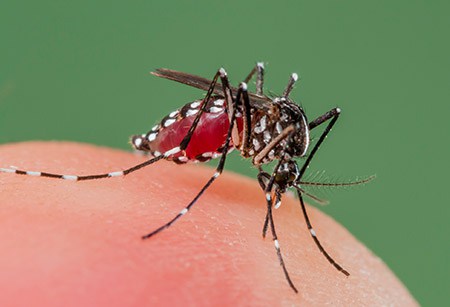
Dengue fever also known as breakbone fever, is an infectious tropical disease caused by the dengue virus. Symptoms include fever, headache, muscle and joint pains, and a characteristic morbilliform skin rash. In a small proportion of cases the disease develops to the life-threatening dengue hemorrhagic fever (bleeding, low levels of blood platelets and blood plasma leakage) and dengue shock syndrome (circulatory failure).
Dengue is transmitted by several species of mosquito. The virus exists in four different types; infection with one type usually gives lifelong immunity to that type, but only short-term immunity to the others. Subsequent infection with a different type is believed to increase the risk of severe complications. As there is no vaccine, prevention is sought by reducing the habitat and the number of mosquitoes and limiting exposure to bites.
Treatment of acute dengue is supportive, using either oral or intravenous rehydration for mild or moderate disease, and intravenous fluids and blood transfusion for more severe cases.
Precautions: The bites only happen to about 100 tourists a year in Dominican Republic. The resorts usually spray for mosquitoes often so there are little to none to be seen. The country also sprays to rid the island of these nasty little creatures. Just use some DEET type of bug spray. A fan usually helps keep them away as their light weight bodies can’t fly into the wind. They are more prevalent in areas where there is standing water. Do not leave water in containers outside.
Malaria is a serious and occasionally fatal disease. It is caused by a parasite which is spread to humans by infected mosquitoes. There is no vaccine available against malaria. People with malaria often experience fever, chills, and flu-like illness. Left untreated, they may develop severe complications and die.
There are occasional reports of cases of malaria in areas frequented by U.S. and European tourists including La Altagracia Province, the easternmost province in which many beach resorts are located. Malaria risk is significantly higher for travelers who go on some of the excursions to the countryside, or visit relatives in a country side.
Malaria can be cured with prescription drugs. The type of drugs and length of treatment depend on which kind of malaria is diagnosed, where the patient was infected, the age of the patient, and how severely ill the patient was at start of treatment.
Taking Anti-Malaria Tablets
It should be noted that no prophylactic regimen is 100% effective and advice on malaria prophylaxis changes frequently. There are currently five prophylactic regimens used (A,B,C,D & E), due to the differing resistance that exists by the malaria parasites to the various drugs used.
Start taking the tablets before travel, take them absolutely regularly during your stay, preferably with or after a meal and continue to take them after you have returned. This is extremely important to cover the incubation period of the disease. Read more about malaria here
For the Dominican republic it is not necessary to take preventative anti-malaria drugs, especially for children, as the drugs may have many side effects. Since the occasion of malaria doesn’t happen often over here, in case if you happen to fall sick with malaria, then within first 72 hours you can take a prescribed drug to start curing yourself, for this you need to establish a case of malaria by a doctor.
As much as there has been many cases across the country, then it is far between hearing of anyone you know that got Dengue or Malaria.
General precautions include ensuring that there’s no still standing water around where you live I.e. Buckets, containers etc… and should you live somewhere where they are proned to be, wear clothes with long sleeves in the evening time, use fans and conditioners in a room, then use DEET repellent and keep mosquito screens closed during hour when they typically come out I.e. Night time, note that dengue mosquitoes typically bite during day time.
Source: NPN

Private Practitioners:
Choosing the right doctor in the DR is very important, so be sure to ask several people about who they recommend or their feedback on one
you are contemplating. If you ever get medical advice that shocks you I.e. that a condition you have is far more serious than what you
expected, then make sure you get a second or third opinion before taking the prescribed medicine or treatment. The old rule is “if it sounds too good to be true, then it normally is!”. In our NPN business Directory you can find GP’s, however it just depends on where you are located whether they will be suitable.
Health Insurance:

Insurance here is relatively inexpensive, however if you believe that you will have very few smaller medical problems in a year, then maybe
it can pay just to ensure yourself for emergencies or health issues that would cost over a certain amount for that treatment, and then take
care of paying yourself for smaller treatments I.e. blood tests, urine tests etc….
Hospitals:
Choosing the right hospital is again very crucial, as some have doctors who are brilliant and others some that are known to have made patients health much worse, caused deaths or simply just trying to keep you in there with ongoing tests and treatments to make as much money from you as possible. The ones to quickly get out of, are the ones that try to avoid being clear about their prices are, or their recommendations are far fetched. Don’t feel embarrassed to ask what it’s going to cost based on various possible treatment scenarios – if they find questions uncomfortable, then it’s normally because they are unqualified or up to tricks to make money from you. Especially be careful with some of the private hospitals, as they are known for conducting bad practice and retain incompetent staff. Follow your instincts!
Emergencies and Ambulances:

In case of emergencies, be prepared that before hospitals will treat you, they will demand that you or someone who’s with you, will cover
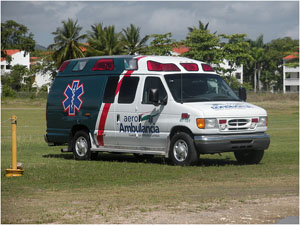
the bill for the operation/s and treatment. Be aware that the Dominican Republic is not a welfare state, so don’t expect that you will be “rescued” unless they know they’ll get paid for their work and materials – to them it’s their direct income when you pay. On the North Coast – here’s one number for an ambulance service: 809-412-5555 but ask around for more numbers when it’s clear where you are going to reside.
Preventing Accidents and Illnesses:
* Touching sea life and corral: Be careful not to touch any sea life or corrals when you are either swimming, snorkeling or diving, as the sea life here are not all just harmless gold fish. Many fish and sea urchins have poisonous spikes and others will attack if provoked. Also be careful where you step as many tourists or locals here have had very painful foot or leg surgeries getting long black spikes taken out from the local sea urchins that crawl along the bottom, especially near rocks and reef.
* Chose a clean beach: Unfortunately many Dominicans are under-educated in regards to protecting the environment and themselves. Many throw rubbish, glass bottles and other objects wherever they finish with their drinks and snacks. So stepping on broken glass, syringes or sharp metal objects are always a risk in such a beach.
* Watch out for unsafe objects: In the DR, the safety standards are much lower than in I.e. Europe, USA etc… which means one always have to use ones awareness and instinct. It’s not unusual to fall or drive into a deep hole because no-one cared about covering it up with a safe lid! Watch “live” electrical wires or exposed panels in commercial buildings, homes, from street posts or hanging down from above. Also you’ll find that trades people in the DR can be very sloppy by leaving metal wires or other materials sticking out from lamp posts etc… Sharp edges are rarely thought of as dangerous, so be careful about what’s around you in this regards I.e. glass table with unpolished edges etc… Be careful of slippery tiles! Only recently you’ll find a few tiles coated with “slip proof” surfaces, but as these cost more and because some of the unsafe tiles often are better looking, then these often end up in bathrooms, on stairs etc… and once wet they become lethal to walk on.
* Beware of poor electrics: One thing to check if you either rent or buy a place here is the size of the breakers used for power points, various appliances as well as the general set-up of the property’s wiring. Many toddlers here have been electrocuted to death because there was either no breaker in place or the breakers “Amp’s” where too high to cut off the power in time, when these little toddlers got curious and stuck metal objects into power outlets. Maybe get a highly recommended foreign electrician to check your panel and breakers before moving in (especially if you have small children).
* Swimming pools and kids: Every year hundreds of children drown in pools in the DR. Be aware that safety fences are still not seen hardly anywhere, and it’s not required by law either. So always have an adult accompanying the child in the pool. Many of the drownings actually happen when parents assume that because there are plenty of people in the pool, then “surely someone will save little Julie if she’s in trouble”, however busy pool activity and noise often drown out cries for help or a child who suddenly “goes under” – so since you love your children be responsible and get off the sunbed to protect them in the water or live with a lifetime of regrets! (Parents do your resting at the hotel or at your home!)
* Unpredictable drivers /accidents: Over here they say you need eyes in your neck as well to survive on the roads. Dominicans and Haitians typically live life on the edge every day, so when driving don’t be surprised to encounter people overtaking in the most insane moments. They are also well known for ramming the brake on without any care for what’s coming from behind. Motorbike drivers have literally been beheaded hitting the back of trucks who suddenly braked or parked out on the road, so either overtake them or keep your distance! Then you’ll also find people pulling out from “no-where” or many egocentric motorbike drivers drive on their rear wheels, and this also caused many accidents. At night be careful as 90% of drivers here won’t be bothered lowering their headlights for you even when you flick
your high beam at them – this is dangerous as now you can’t see all the motor bikes who are heading in your direction who mostly don’t have
any rear lights or pedestrians walking on the roadside in pitch darkness thinking they are walking reflectors!
* Potholes and animals: Be careful of the many potholes on the roads here, especially when you’re on a motorbike or even worse when on a
scooter with small wheels, as they sink deeper into the pot hole and can cause you to have a nasty crash. Also be aware of the many animals
running loose both during day light and through the night. If you travel at a high speed whether on straight or windy roads, it’s quite
possible to ram into a donkey, cow, horse or other animal running loose.
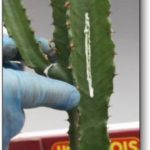
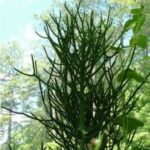
* Cacti and Plants: Be careful about which plants you or your children touch here, as some of them will give you a nasty skin rash or
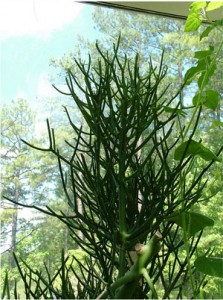
prickle you with poisonous spikes. Also watch what berries your children consume as some are definitely not for eating. The cactus in the pictures above can damage your eyes as they have poisonous milk (Pencil Cactus and Euphorbia candelabrum).
Source: NPN
If you plan to move to to the DR, then it’s important to realize that there are the “Have’s” and the “Have not’s”. It’s a third world country and if you leave yourself open to be mugged or robbed, then the chances are high that you will be! Typically if you’re white, then you’re considered rich in many locals eyes (even if you’re struggling to get by).
Make sure that you check out the various residential areas before you accept a villa or apartment. Most foreigners will give you their run down on what security measures they are taking to secure themselves and their belongings in each specific town or area. Gated communities usually have security guards which you pay for either through your rental agreement or separately.
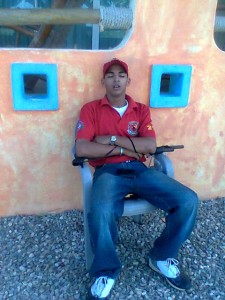
Unless the Gated Community is paying top dollar for a security company which has modern communication tools, a tight system and great screening then you can normally expect that the level of quality is much to be desired. Guards are only getting paid anywhere between 6-10000 pesos per month and it’s quite common to catch them sleeping at night. Most robberies are either linked to the security guards or done directly by them. So often when community’s want joint security rather than individual security, then it’s like “The wolves looking after the sheep”. If you plan to secure a villa, then often the best security is what you provide yourself.
Here are some tips:
* As most burglary’s are inside jobs then be extremely picky on who you hire as a guard, house keeper, nanny or gardener (if you can handle it
yourself, then that is often safer). Individuals looking for work have an amazing ability to come across as angels, when only a small percentage are. If
you hire based on recommendation, then be sure that the person who recommends the potential staff member is someone you would trust with the title to your
house! In other words many scams happen here where even the recommending person is in on the robberies – so be very careful when recruiting!
* Keep it to your closest friends if you’re throwing a party or if you are going away for the day – a weekend or for a while. Be very careful who comes into your property I.e. prostitutes, moto-concho’s, taxi drivers, cleaning staff and police are renown for casing your place, and then soon after you get burgled (often by police with masks). If someone you don’t know asks you where you live, be vague in your answer I.e. “Cabarete” and quickly bounce a question at them to get off the topic. If they persist, then simply say – “with all due respect (name) – I prefer to get know people for a while before I entrust where I live as too many bad things happen in this area – I hope you understand!”. If they don’t understand or respect that, then that should be a warning sign in itself.
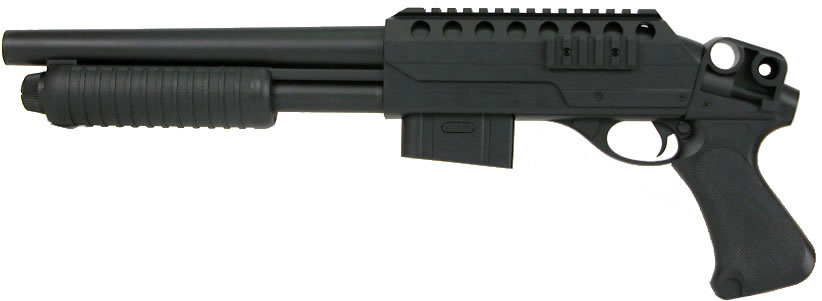
* Get a Legal weapon with license – on the North Coast we recommend the arms dealer opposite Casa Nelson in Puerto Plata. A shotgun & license cost
from RD32000 and upwards depending on the model. Both rubber and normal shells can be purchased.
Hand Guns are twice the price or more and require yearly taxes paid on them. Be careful of a common scam which can get you into a very messy and costly situation, which is buying a second hand gun through some amigo who’s got some other great amigo with an unlicensed weapon. Often they sell you the gun or shotgun for a cheap price and next they dob you into the corrupt police who then throw you in jail, and now you have to
pay some insane amount to get out again, which all the culprits get a piece of – just not worth the risk! Often it’s the people who come to you with some offer that’s got a scam up their sleeve. If burglars know you have weapons and they have seen you leave your property, then they will try to burgle you to get the weapons. With “fast in and out” burglaries, they are usually after cash, jewelry, lap tops, weapons or other small stuff that can be carried on a motor bike and resold in a hurry.
* Ensure your property is well fences to make it hard for burglars to enter, and even add other materials on top if you can stand looking at them – also sensors or cameras can be erected to make it even more secure. Some even have metal bars on all windows and doors, but again it depends on where you are living and how secure you wish to be and if it makes you feel jailed by doing so.
* Get 2-3 dogs. Two for outside – especially spaded females are very protective and on alert, where male dogs often get lazy after a couple of years. Get one for
inside as your live “indoor alarm system” for when you are sleeping. Maybe get a small dog who will bark his head off if it hears something going on outside. This little fella might just save you in case burglars poison the outside dogs followed by them entering your yard.
* Keep as little cash or valuables in the house as possible and DON’T build a safe. Either a construction worker or a maid will know or find out you have it,
and this slips out among their friends who tells someone else about this “treasure chest” or they get involved in arranging a burglary with someone they
know.
* As a foreigner, avoid getting into vulnerable situations I.e. walking in the wrong neighborhood or street especially at night. Or walking in a
remote area where you could be attacked. Buy a small can of Mace (Pepper spray) and maybe carry a weapon as well if you do have to venture out of the public’s
eye. Most attacks and burglaries are coward attacks. When challenged, most locals take off, as they were not really looking for a fight, but instead an
easy financial catch. If you come driving at night and you ever have someone jump out in front of you with a gun, then try to run him over or at least avoid stopping and get away from him. May sound harsh, but it’s either you or him that ends up unlucky!
* Don’t flaunt your stuff, money etc… – here it’s not so much admired but rather envied and chased! (Down play your income if you are doing well, as this can make them come for your stuff as well)
* Like anywhere else in the world, lock your car, steering lock, house, gate etc…
* If you ever think of calling the Police, then try to get an experienced “friend” with the right connections to help you out, or they will try to extort money from you to substitute their low wages!
The good news is that in general it’s quite safe to move around when you are in the eye of many people I.e. in towns, near shops,
restaurants, schools etc… just use common sense and if you are ever followed by someone in public, then turn around and challenge them confidently I.e. “Que Passa?” and 99% of the time they will move on, as they don’t want public attention.
Source: NPN